The Rodrigues rail, also known as Leguat's gelinote or Leguat's rail, is an extinct species of the rail family that was endemic to the Mascarene island of Rodrigues. The bird was first documented from life by two accounts from 1691–93 and 1725–26. Subfossil remains were later discovered and correlated with the old accounts in 1874, and the species was named E. leguati in Leguat's honour. It is generally kept in its own genus, Erythromachus, but has sometimes been assigned to the genus Aphanapteryx along with its close relative the red rail of Mauritius; their relationship with other rails is unclear.
Region
Mascarene Islands
Typical Environment
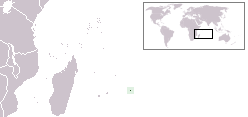
Endemic to Rodrigues, a small volcanic island in the western Indian Ocean. It inhabited lowland dry forests, scrub, and coastal thickets, foraging largely on the ground. Subfossil and historical evidence suggest it frequented areas near beaches and tortoise nesting grounds where eggs were seasonally available. Dense undergrowth likely provided cover for nesting and escape from predators, while open patches were used for feeding.
Altitude Range
Sea level to 400 m
Climate Zone
Tropical
Ease of Keeping
Beginner friendly: 1/5
The Rodrigues rail was a flightless rail endemic to Rodrigues in the Mascarene Islands and is now extinct. It was first described by the marooned traveler François Leguat and later identified from subfossil bones. Historical accounts note it was remarkably tame and readily lured with giant tortoise eggs, a habit that hastened its demise. Overhunting, habitat alteration, and introduced predators likely drove its extinction by the late 18th century.


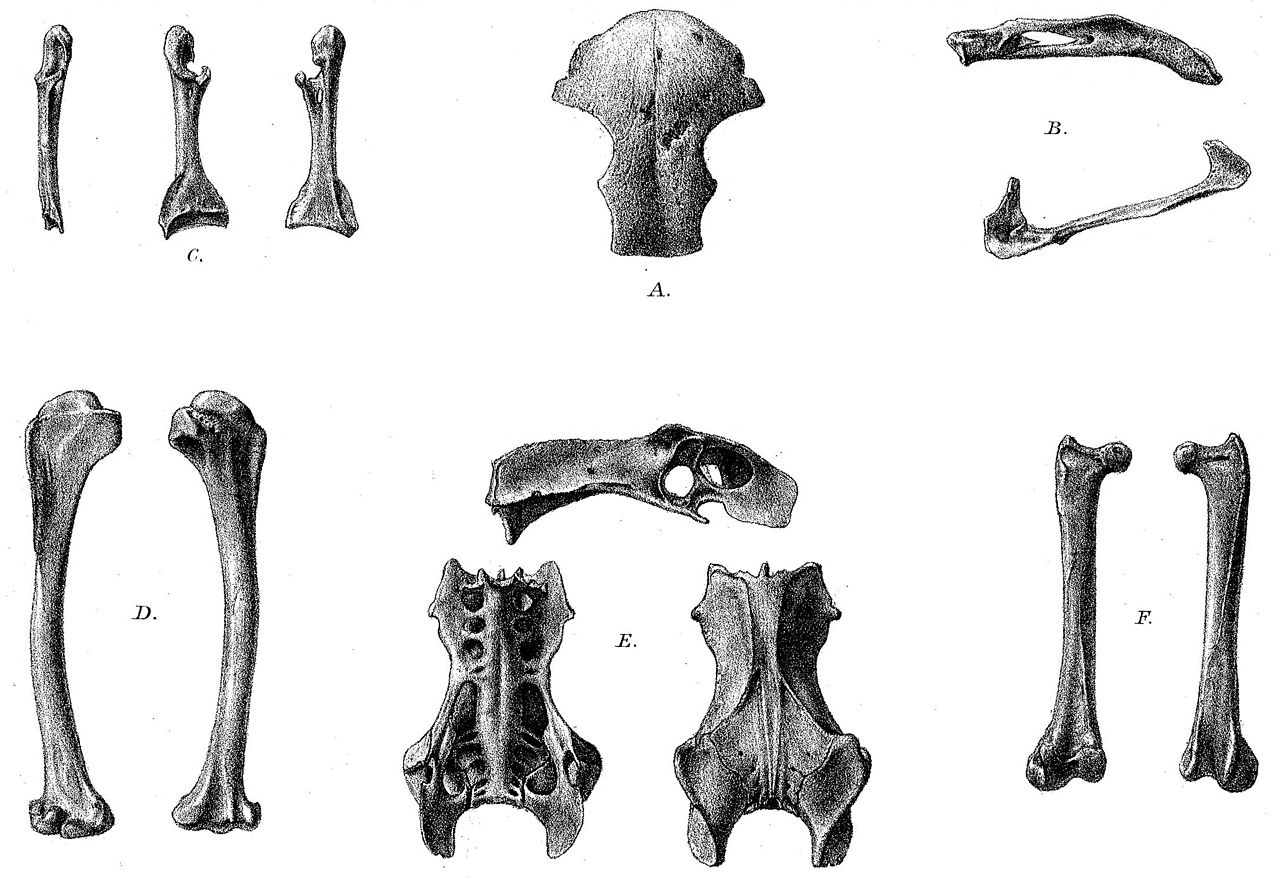
First bones described in 1874; a tarsometatarsus (1.–1e.), a fragmentary skull (3.–3b., and a sternum (4.–4c.)

Painting of the similar red rail, by Hoefnagel, ca. 1610
![Frohawk's 1907 restoration, based on an old outline illustration and a description. Olson considered the image "rather fanciful"[5]](https://upload.wikimedia.org/wikipedia/commons/thumb/e/eb/Rodrigues_Rail.png/1280px-Rodrigues_Rail.png)
Frohawk's 1907 restoration, based on an old outline illustration and a description. Olson considered the image "rather fanciful"[5]

Schlegel's 1854 outlines of "dodo" species (the second supposedly from Rodrigues), which were actually red rails seen by travellers on Mauritius

Frontispiece to Leguat's 1708 memoir, showing his settlement on Rodrigues, with tortoises and rats below


Temperament
tame and terrestrial
Flight Pattern
flightless; runs swiftly
Social Behavior
Generally ground-dwelling and likely formed pairs during the breeding season. Nests were probably on the ground in dense vegetation, with clutch sizes typical of rails. Historical notes suggest little fear of humans, which made it easy to capture.
Migratory Pattern
Resident
Song Description
Presumed to have given coarse clucks and grunts typical of rails, with short contact calls in cover. Display or alarm calls were likely louder, rasping notes used at close range.
Plumage
Mostly plain, shaggy-looking plumage with a subdued, uniform tone suited to ground cover.
Diet
An opportunistic omnivore feeding on insects, small invertebrates, fallen fruit, and carrion. Historical accounts indicate it readily consumed giant tortoise eggs and may have scavenged hatchlings. It likely probed leaf litter and soft substrates with its decurved bill.
Preferred Environment
Foraged on the ground in dry forest edges, scrublands, and coastal areas, especially near tortoise nesting sites. Dense cover provided safety while open patches allowed efficient searching.