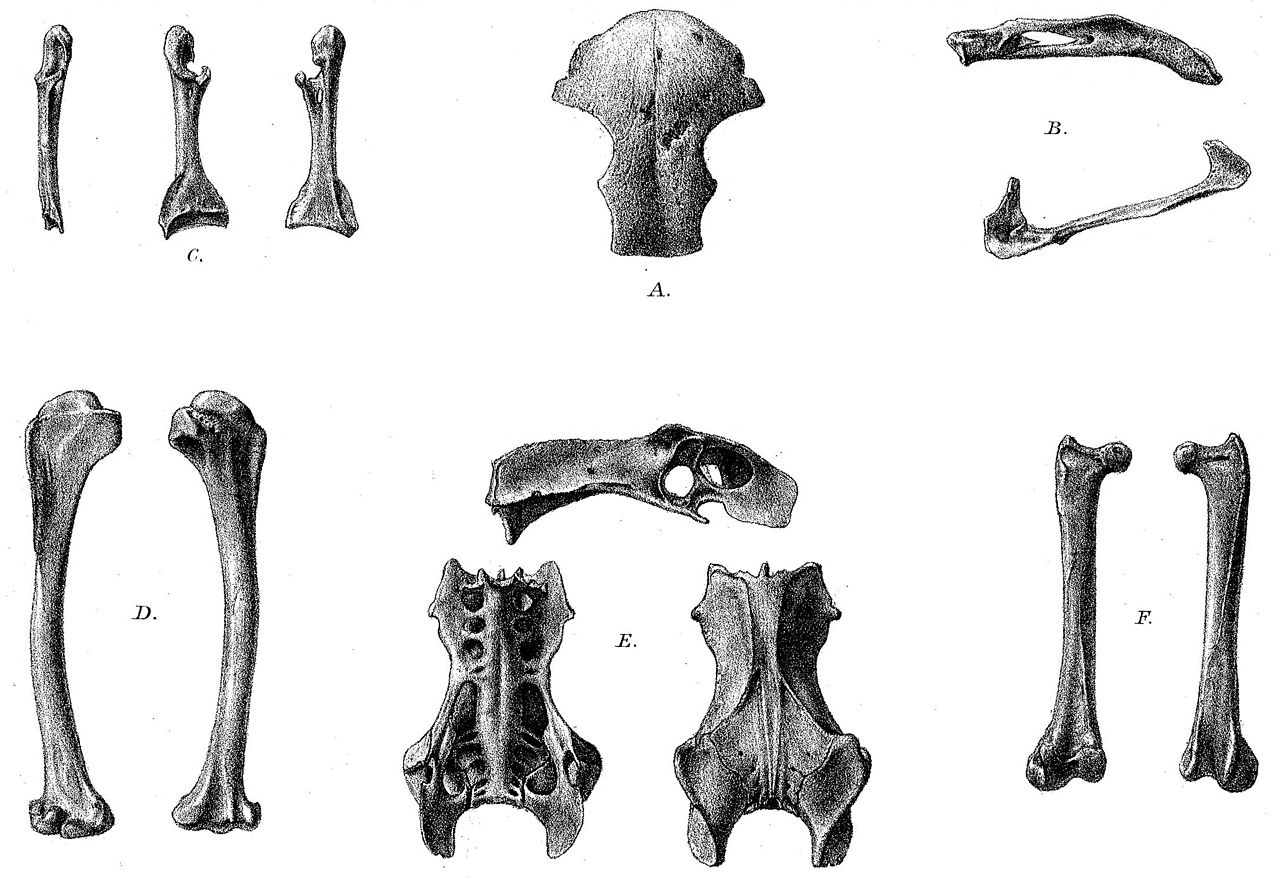
The Rodrigues pigeon or Rodrigues dove is an extinct species of pigeon formerly endemic to the Mascarene island of Rodrigues. It is known from a subfossil sternum and some other bones, and the descriptions of Leguat (1708) and Julien Tafforet (1726).
Region
Mascarene Islands, Southwest Indian Ocean
Typical Environment
Historically occupied native dry to semi-evergreen forests and woodland mosaics across Rodrigues. It probably foraged from the mid-story to the forest floor, taking fruits, seeds, and possibly buds. Early accounts suggest it was not restricted to coastal zones and occurred inland where tree cover remained. Following extensive deforestation and hunting, suitable habitat vanished and the species disappeared.
Altitude Range
Sea level to 400 m
Climate Zone
Tropical
Ease of Keeping
Beginner friendly: 1/5
The Rodrigues pigeon (or Rodrigues dove) was an island pigeon endemic to Rodrigues in the Mascarene Islands and is known from subfossil bones and the accounts of Leguat (1708) and Tafforet (1726). It likely declined rapidly after human settlement due to hunting, predation by introduced mammals, and extensive habitat loss. It is closely related to other Nesoenas pigeons of the southwest Indian Ocean, such as the pink pigeon of Mauritius. The species is now extinct.

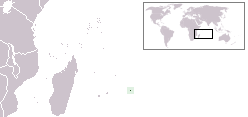

The Malagasy turtle dove is probably the closest living relative
Temperament
unknown
Flight Pattern
Strong, direct flight with rapid wingbeats typical of island doves.
Social Behavior
Likely occurred in pairs or small groups and nested in simple twig platforms in trees, as in related Nesoenas species. Breeding probably involved 1–2 eggs per clutch with both parents attending. Detailed nesting behavior was not recorded.
Migratory Pattern
Resident
Song Description
Probably a soft, rhythmic cooing similar to other turtle-doves and island pigeons. Precise vocalizations were not documented.
Plumage
unknown
Diet
Likely fed primarily on native fruits and seeds, swallowing items whole and aiding seed dispersal. It may also have taken buds and young leaves opportunistically. Foraging would have been both arboreal and on the ground beneath fruiting trees.
Preferred Environment
Edges and interior of dry forest and woodland with fruiting shrubs and trees. Likely favored areas with remaining native canopy and understory complexity.