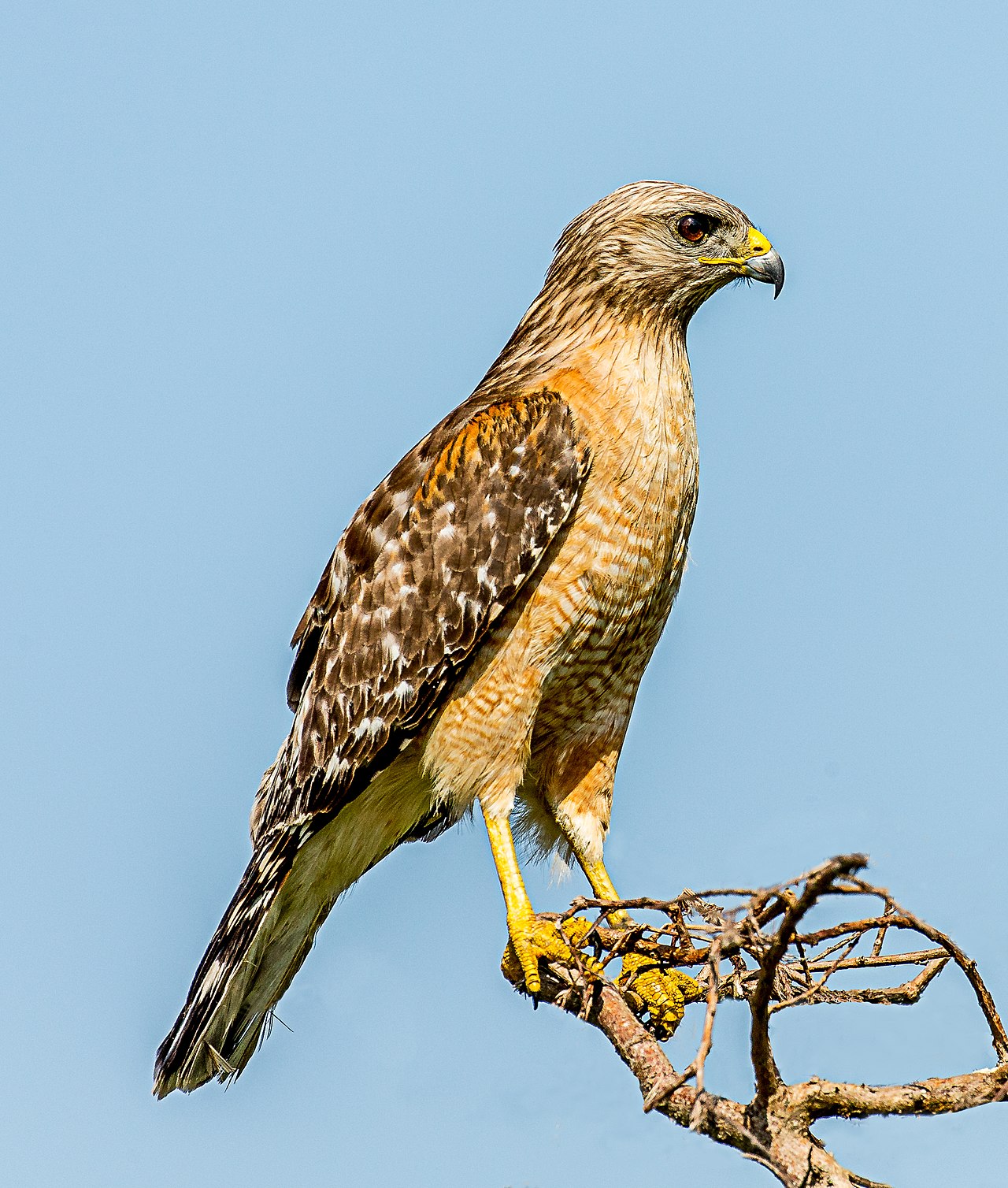
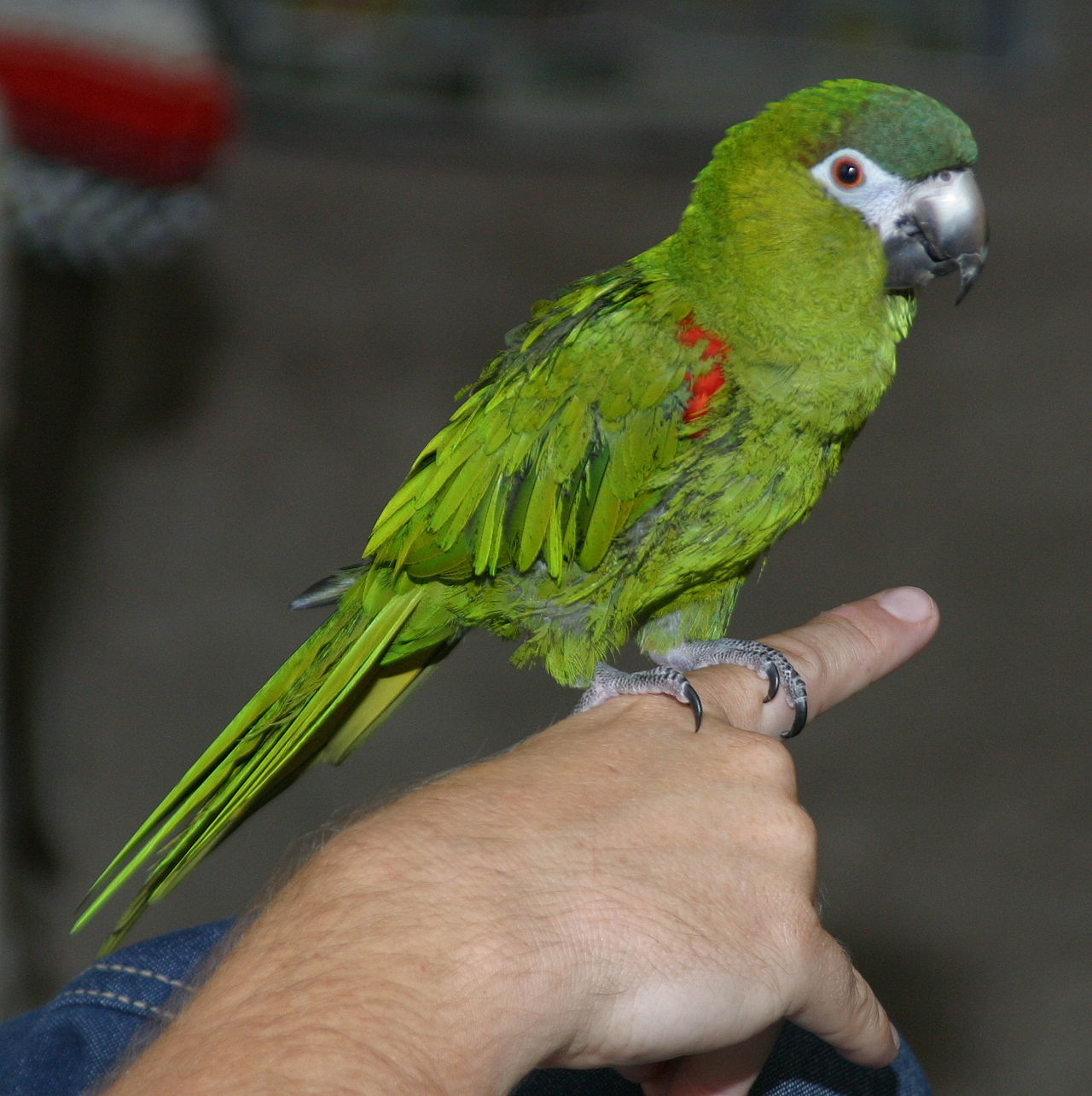
The red-shouldered cuckooshrike is a species of bird in the family Campephagidae.
Region
West and Central Africa
Typical Environment
Found from the Upper Guinean forests of West Africa through the Congo Basin into parts of Central Africa. It inhabits lowland moist evergreen and semi-deciduous forests, forest edges, gallery forests, and well-wooded secondary growth. The species forages mainly in the mid- to upper canopy and can occur in wooded savanna mosaics near forest. It adapts moderately well to degraded edges provided some tall trees remain.
Altitude Range
Sea level to 1500 m
Climate Zone
Tropical
Ease of Keeping
Beginner friendly: 1/5
The red-shouldered cuckooshrike belongs to the Campephagidae, a family of mostly forest-dwelling insect hunters. Males have striking red shoulder patches used in display and territorial signaling. Despite the name, cuckooshrikes are neither cuckoos nor shrikes but share some superficial traits with both. This species often joins mixed-species flocks high in the canopy.


Female
Temperament
quiet and unobtrusive, often in pairs
Flight Pattern
direct flight with short, rapid wingbeats between canopy perches
Social Behavior
Usually seen singly, in pairs, or small family groups, and regularly joins mixed-species flocks while foraging. Nesting is high in trees; the nest is a small cup placed on an open branch. Pairs are thought to be monogamous, with both sexes participating in provisioning the young.
Migratory Pattern
Resident
Song Description
Calls are soft, thin whistles and sibilant tsee notes, often given from the canopy. The song is a short series of high, slightly buzzy phrases, interspersed with quiet contact calls while foraging.
Plumage
Male is glossy black with a vivid red shoulder (lesser/median coverts) forming a distinct epaulet; underparts otherwise uniform. Female is grey-brown to olive-brown above with paler, lightly streaked or barred underparts and a dull rufous to chestnut wash on the shoulder.
Diet
Primarily insects such as caterpillars, beetles, and hemipterans, gleaned from foliage and small branches. It also hawks briefly for flying insects and will probe clusters of dead leaves. Small fruits and berries may be taken opportunistically, especially in the non-breeding season.
Preferred Environment
Feeds in the mid- to upper canopy of mature forest, edges, and tall secondary growth. Frequently forages along forest margins and in canopy gaps where insect prey is abundant.