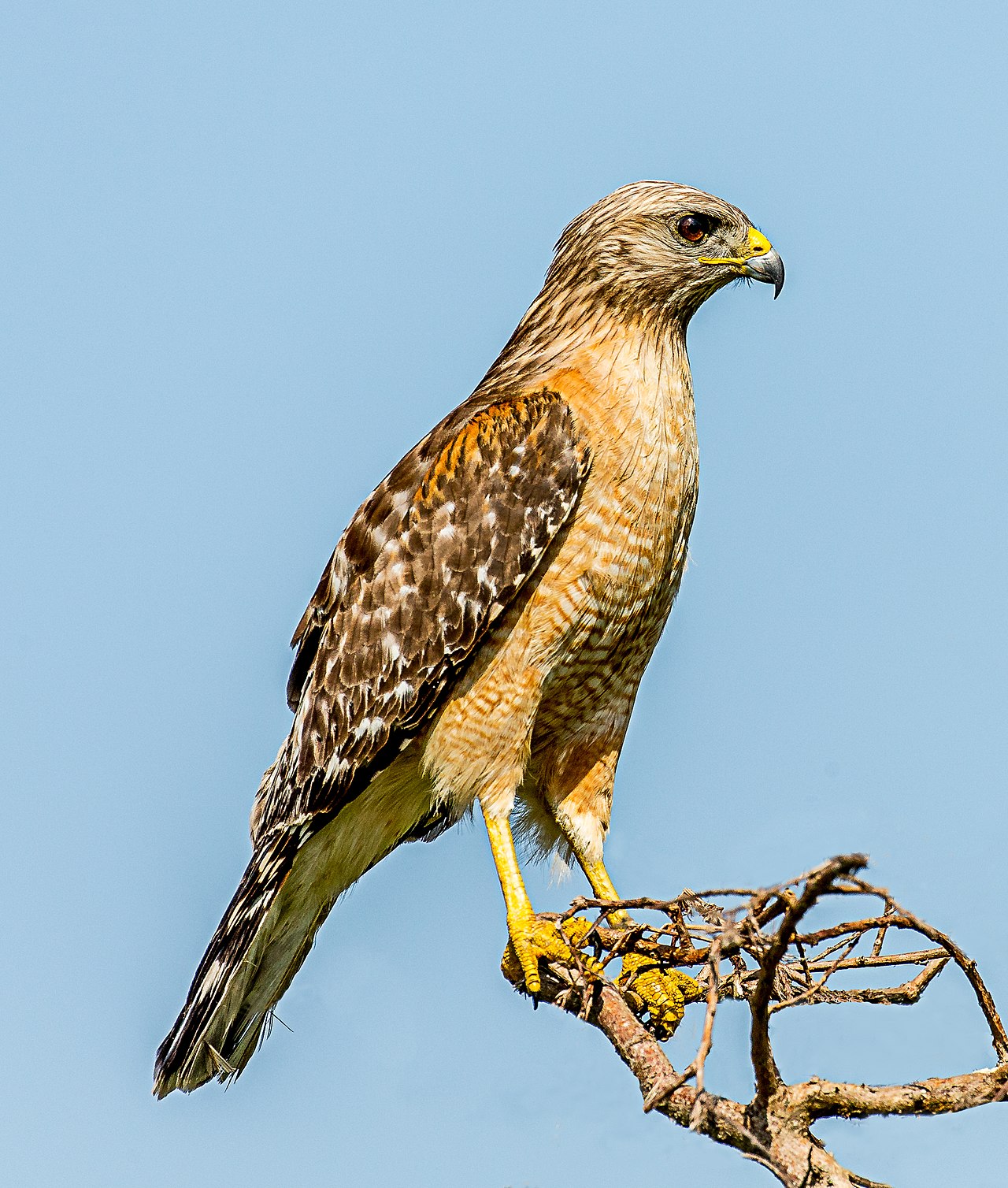
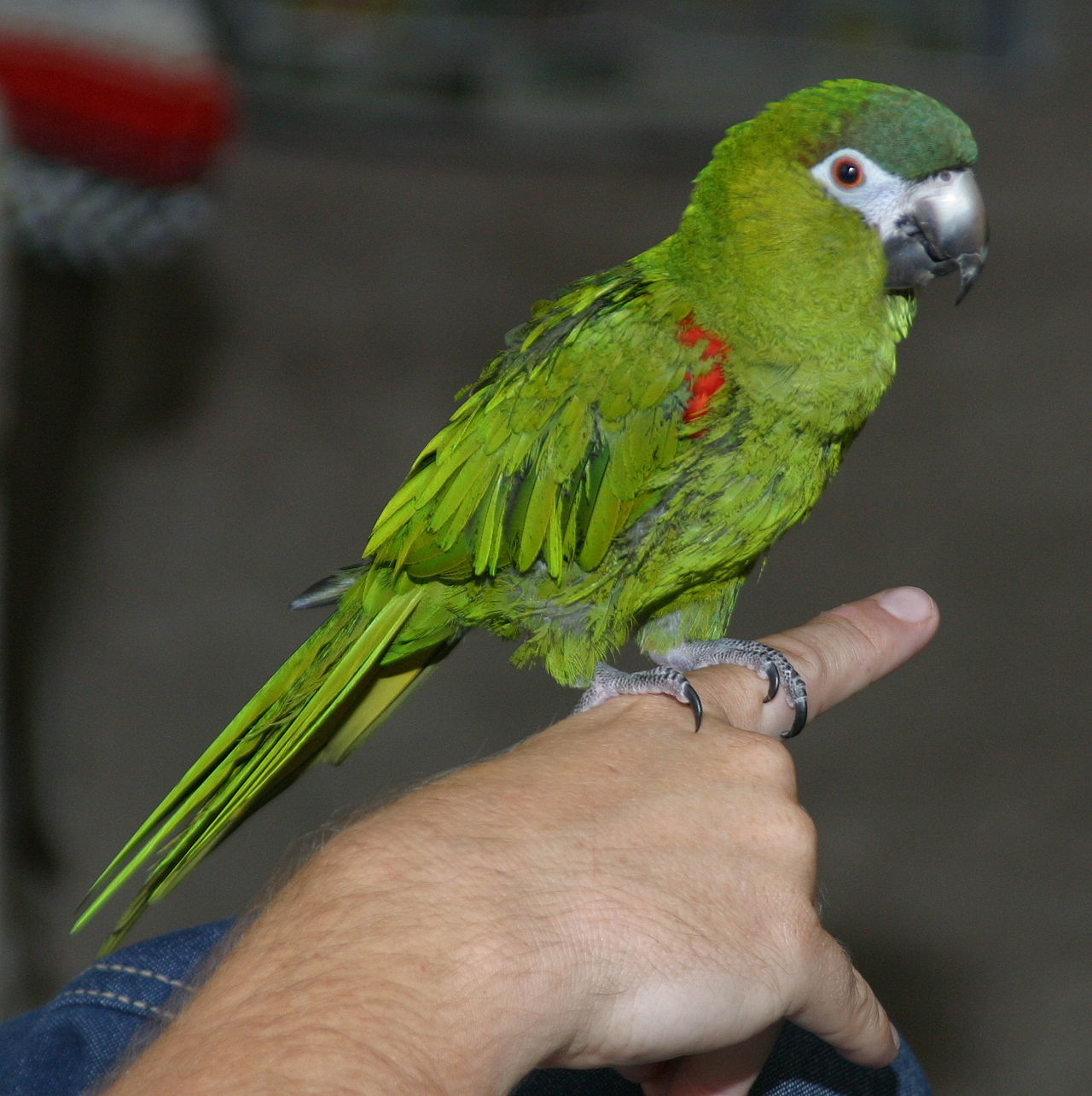
The red-rumped wheatear or buff-rumped wheatear is a species of bird in the family Muscicapidae. It is found in North Africa and the Middle East.
Region
North Africa and the Middle East
Typical Environment
Occurs from the Maghreb east across Libya and Egypt into the Sinai and parts of the Levant. It favors open, stony semi-desert, steppe, and sparsely vegetated wadis with scattered rocks and low shrubs. Agricultural edges and fallow fields near arid plains may also be used outside the breeding season. The species is largely sedentary but makes local movements in response to rainfall and temperature.
Altitude Range
0–2500 m
Climate Zone
Arid
Ease of Keeping
Beginner friendly: 1/5
Also called the buff-rumped wheatear, this arid-country songbird is noted for its striking rufous rump and contrasting tail pattern. Males often sing from stone perches with clear, whistled phrases and may include mimicry of other birds. It nests low in cavities such as rock crevices or abandoned burrows, well adapted to sparse, stony landscapes. Pairs defend territories and use elevated lookouts to spot prey on open ground.


Temperament
solitary and territorial
Flight Pattern
short rapid wingbeats with low, direct flights between perches
Social Behavior
Usually seen singly or in pairs, especially during the breeding season when pairs defend territories. Nests are placed in rock crevices, walls, or abandoned rodent burrows and are lined with fine plant material. Both parents tend the young, and adults frequently use prominent stones as lookout posts for foraging and vigilance.
Migratory Pattern
Partial migrant
Song Description
The male delivers clear, whistled phrases and trills from exposed perches, with a melodic, carrying quality. Calls include sharp chatters and ‘chak’ notes used in contact and alarm. Song may incorporate brief mimicry of nearby species.
Plumage
Male shows a black face, throat, and upper breast with a contrasting white crown and nape; rump and uppertail coverts are rufous-buff with a black terminal tail band. Underparts are pale to whitish, and upperparts can appear dark slate to blackish. Female is browner overall with a warm buff tone, a subtle pale supercilium, and the same rufous rump and tail pattern. Both sexes have neat, short plumage with a clean, high-contrast tail pattern typical of wheatears.
Diet
Primarily hunts ground-dwelling and aerial insects such as beetles, ants, flies, caterpillars, and orthopterans, and also takes spiders and other small arthropods. It occasionally supplements its diet with small seeds or berries when insect prey is scarce. Prey is spotted from a perch or while standing upright, then seized by a quick dash and pounce.
Preferred Environment
Forages in open, stony ground with sparse vegetation, including semi-desert plains, rocky slopes, and wadis. Often works along edges of low shrubs, rock piles, and field margins where insects concentrate. Uses elevated stones or low posts to scan before dropping to the ground.