

The red-crowned crane, also called the Manchurian crane, is a large East Asian crane among the rarest cranes in the world. In some parts of its range, it is known as a symbol of luck, longevity, and fidelity.
Region
East Asia
Typical Environment
Breeds in wetlands and riverine marshes of far eastern Russia and northeastern China, with wintering grounds in the Korean Peninsula and eastern China. A resident population occurs year-round in Hokkaido, Japan. Prefers extensive reed-beds, sedge marshes, wet meadows, tidal flats, and shallow lakes with nearby dry ground for foraging and roosting. In winter it also uses agricultural lands such as rice paddies and pasture edges. Human-provided feeding stations support some groups in harsh winters.
Altitude Range
Sea level to 1500 m
Climate Zone
Temperate
Ease of Keeping
Beginner friendly: 2/5
Also called the Manchurian crane, it is among the rarest cranes and a powerful symbol of luck, longevity, and fidelity in East Asia. Pairs perform dramatic duet calls and synchronized dances to strengthen bonds. A non-migratory population survives in Hokkaido, Japan, largely thanks to long-running winter feeding programs.


At Cumberland wildlife park, Grünau im Almtal, Austria

Grus japonensis (juvenile) in Ueno Zoo, Taitō, Japan

Eating fish in Kushiro.

Red-crowned cranes flying

Cranes honking

Egg of a Red-crowned crane


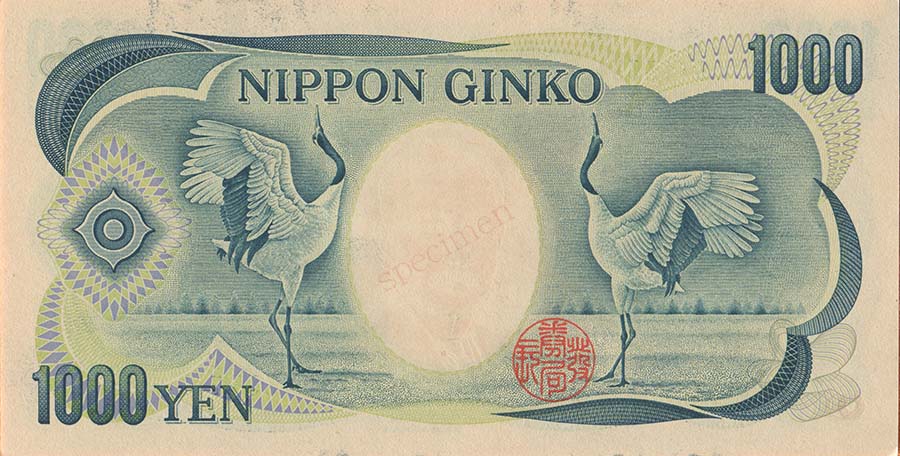

The crane is carved in a South Korean 500 won coin.
Temperament
wary and territorial during breeding, social in winter
Flight Pattern
strong flier with steady wingbeats and some soaring
Social Behavior
Usually found in bonded pairs or small family groups; pairs are largely monogamous and maintain long-term bonds. They nest on platforms of marsh vegetation in shallow water. In winter they gather in larger flocks at traditional feeding and roosting sites.
Migratory Pattern
Partial migrant
Song Description
Loud, bugling trumpets that carry over long distances, often given in coordinated duets by mated pairs. Calls are resonant and rhythmic, used to declare territory and reinforce pair bonds.
Plumage
Predominantly white body with contrasting black neck, wing secondaries forming a black 'tail' effect, and some dark primaries.
Diet
Omnivorous, taking aquatic plants, tubers, grains, and seeds, as well as invertebrates, fish, amphibians, and small mammals. They probe soft substrates and glean from shallow water and shorelines. In some areas, especially Hokkaido, they also consume supplementary grains provided by people in winter.
Preferred Environment
Feeds in shallow marshes, flooded meadows, rice paddies, tidal flats, and river edges where prey is accessible. Will forage in agricultural fields and pastures in winter when natural wetlands are frozen.


