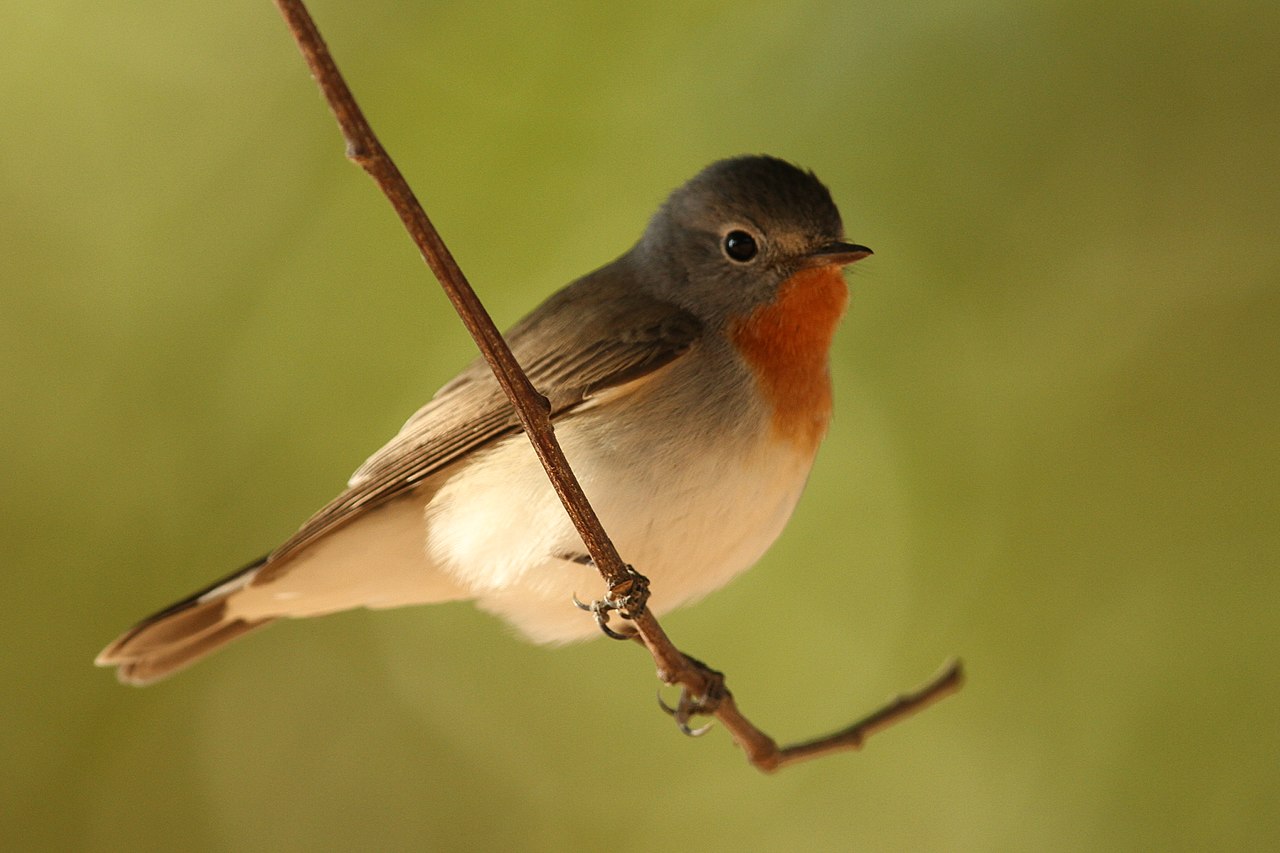
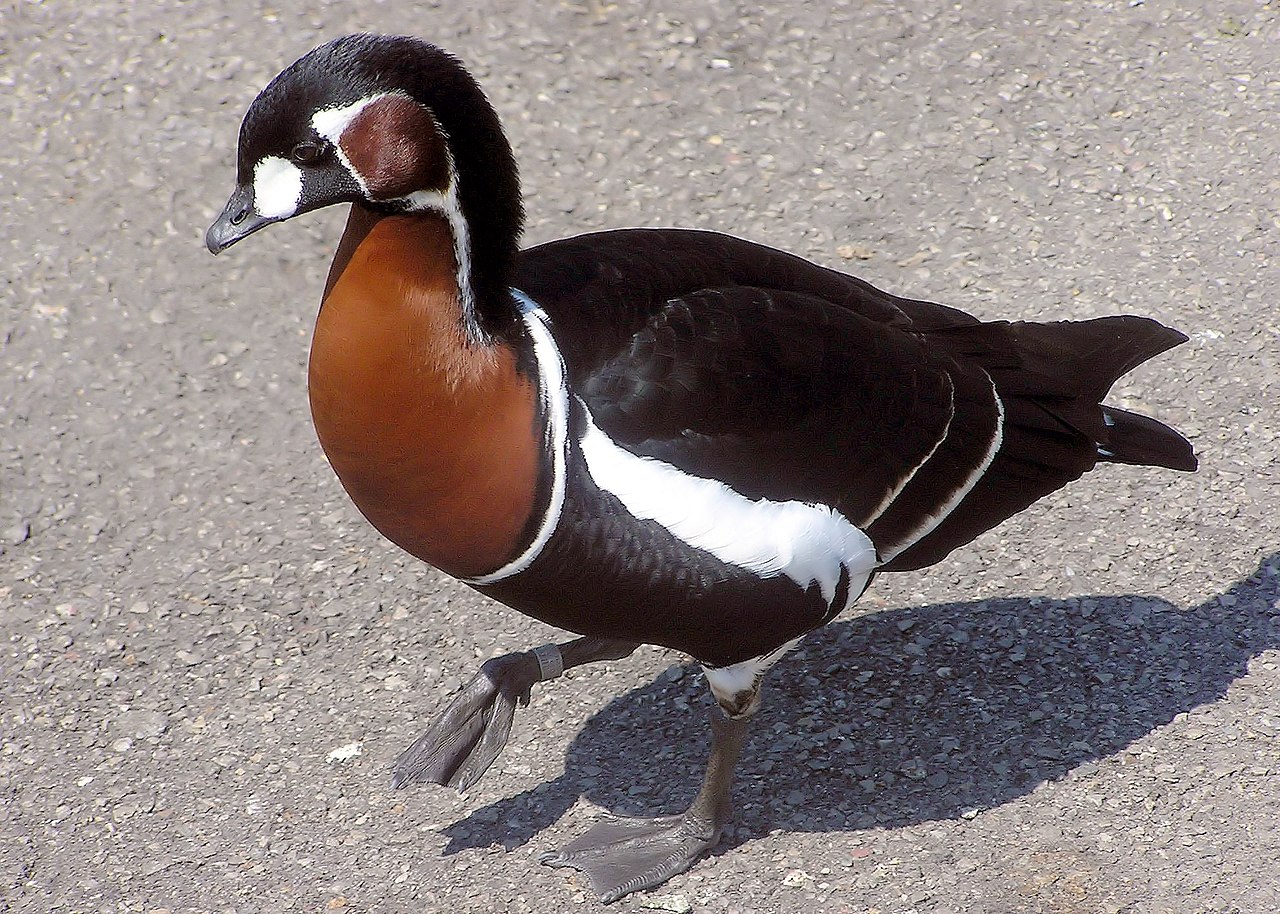
The red-breasted chat is a species of bird in the family Cardinalidae, the cardinals or cardinal grosbeaks. It is endemic to Mexico.
Region
Western Mexico
Typical Environment
Occurs along the Pacific slope from northwestern to southwestern Mexico in tropical dry forest, thorn scrub, riparian thickets, and second-growth edges. It favors dense understory and brushy tangles near clearings and along arroyos. It may venture into semi-open areas with scattered shrubs but typically remains close to cover. Occurs in coastal lowlands and foothills and can persist in moderately disturbed habitats where understory remains intact.
Altitude Range
0–1200 m
Climate Zone
Tropical
Ease of Keeping
Beginner friendly: 1/5
A striking member of the Cardinalidae, the red-breasted chat is endemic to Mexico’s Pacific slope dry forests and thickets. Males are known for their vivid red underparts and bold black-and-white facial pattern, while females are duller with a peachy wash below. Pairs often perform antiphonal duets, making them easier to detect by ear than by sight in dense cover.


Temperament
skulking but active
Flight Pattern
short rapid wingbeats through dense cover
Social Behavior
Usually found singly or in pairs, especially during the breeding season when pairs defend territories. Known for coordinated male–female duets and responsive countersinging with neighbors. Nests are cup-shaped and placed low in dense shrubs or tangles.
Migratory Pattern
Resident
Song Description
A series of clear, whistled phrases often given in duets, with males delivering bright, ringing notes and females responding with complementary phrases. Contact calls include sharp chips and thin whistles, carrying well through brushy habitat.
Plumage
Male with a black hood and face, bold white supercilium and malar stripes, slate-gray upperparts, and bright red underparts; females are gray-brown above with a buff to salmon breast and less distinct head pattern. Tail is dark with pale edges; underparts in males show the most intense coloration on the breast and belly.
Diet
Primarily feeds on insects and other small arthropods such as beetles, caterpillars, and spiders. Gleans prey from leaves and twigs and occasionally makes short sallies to capture flying insects. May take small berries opportunistically, especially in the dry season when insects are less abundant.
Preferred Environment
Forages in dense understory of tropical dry forest, thorn scrub, and riparian thickets. Often works along edges, in shrub layers, and in vine tangles where cover is abundant.