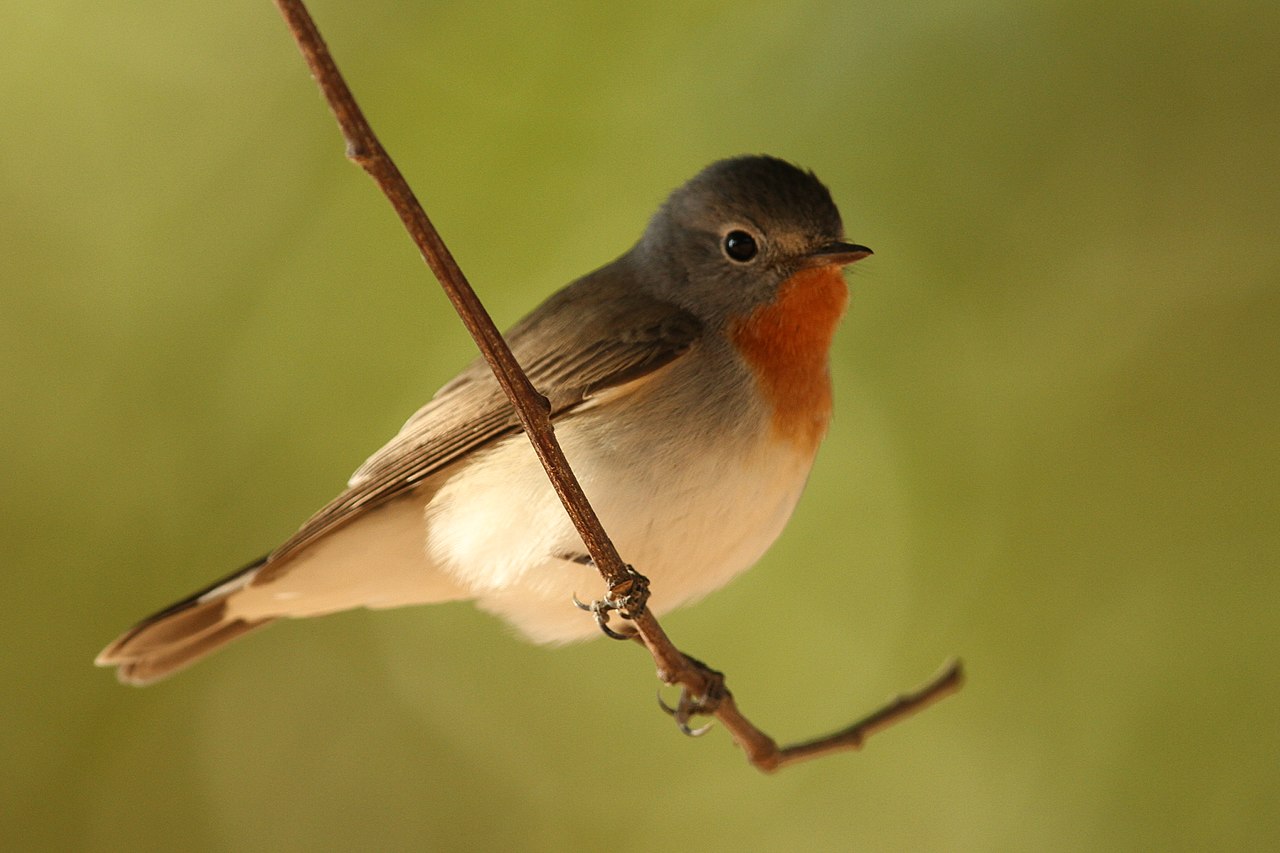
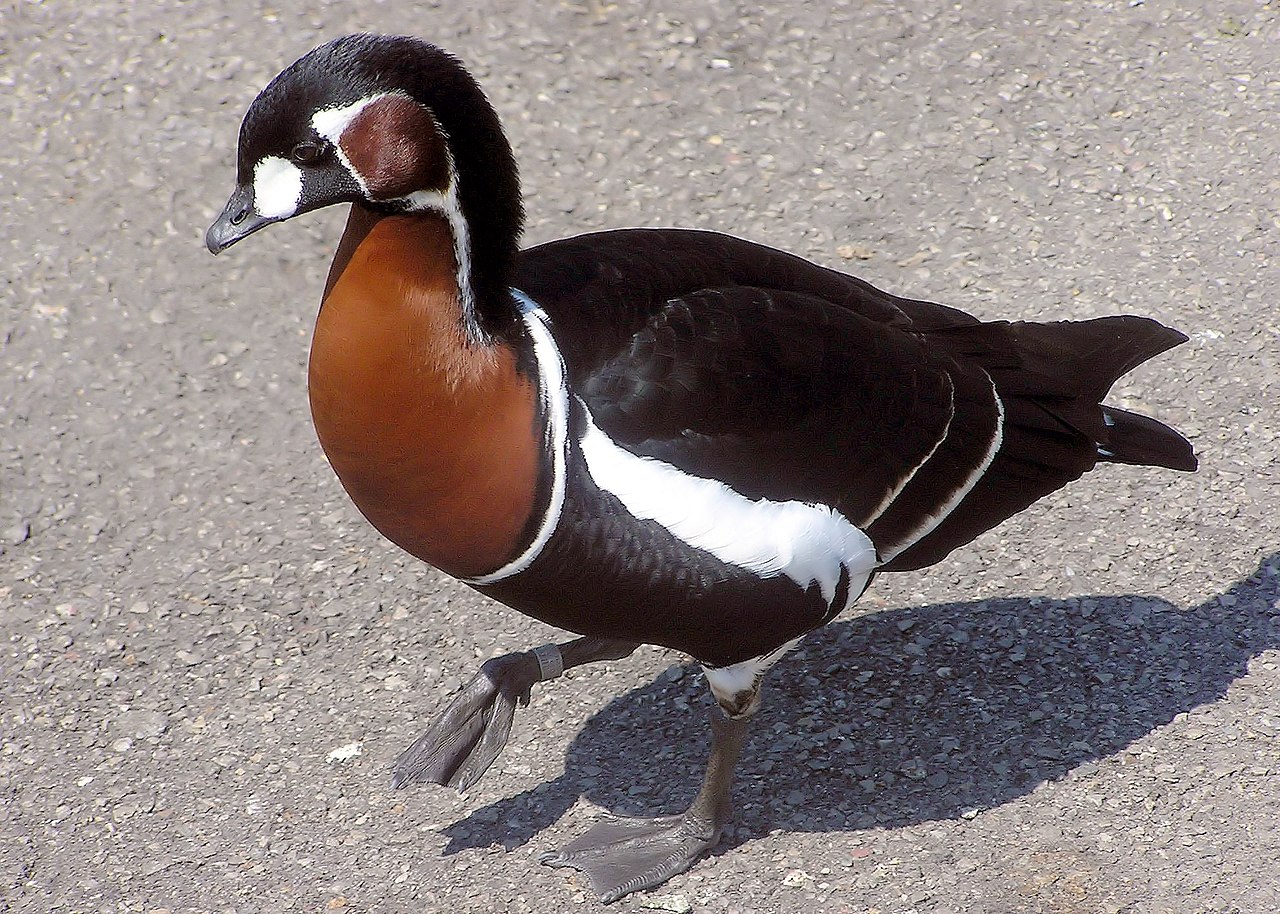
The red-breasted coua is a species of cuckoo in the family Cuculidae. It is endemic to Madagascar.
Region
Eastern Madagascar
Typical Environment
Occupies humid evergreen and semi-evergreen forests along the eastern escarpment of Madagascar. It uses primary rainforest as well as mature secondary forest where dense understory is present. The species forages mostly on or near the forest floor but also moves into low branches. It avoids open areas and is rarely seen far from continuous canopy and thick leaf litter.
Altitude Range
Sea level to 1200 m
Climate Zone
Tropical
Ease of Keeping
Beginner friendly: 1/5
A ground-dwelling cuckoo, the red-breasted coua builds its own nest rather than practicing brood parasitism like many other cuckoos. It relies on running through dense understory and usually flies only short distances. The species is elusive and more often heard than seen in Madagascar’s eastern rainforests. Habitat loss is the primary threat, though it remains locally common in suitable forest.

Temperament
shy and furtive
Flight Pattern
short rapid wingbeats; low, direct flights between cover
Social Behavior
Usually solitary or in pairs, moving quietly through dense understory. Builds a simple nest of twigs and leaves in low shrubs or small trees. Breeding likely coincides with the rainy season, with small clutches (often 1–2 eggs). Both sexes are thought to share incubation and chick-rearing duties.
Migratory Pattern
Resident
Song Description
Delivers a series of deep, resonant hoots and mellow cooing notes that carry through the forest. Pairs may duet, with phrases given at measured intervals. Calls are most frequent at dawn and dusk.
Plumage
Upperparts are gray to olive-brown with a slightly glossy, darker long tail; underparts show a rich rufous to chestnut breast grading paler toward the belly. Feathers are smooth and sleek, with minimal barring. Tail often shows a contrasting pale tip.
Diet
Eats a mix of invertebrates such as beetles, caterpillars, orthopterans, and spiders, supplemented by small reptiles or snails when available. Also takes fallen fruits and berries, especially during periods of high fruiting. Forages mainly by walking and probing through leaf litter and picking prey from low vegetation. Opportunistic, adjusting its intake to seasonal availability.
Preferred Environment
Primarily the shaded forest floor and lower understory where leaf litter and tangled roots provide cover. Often along trails, stream edges, and dense thickets within intact forest. Avoids open ground and heavily disturbed edges.