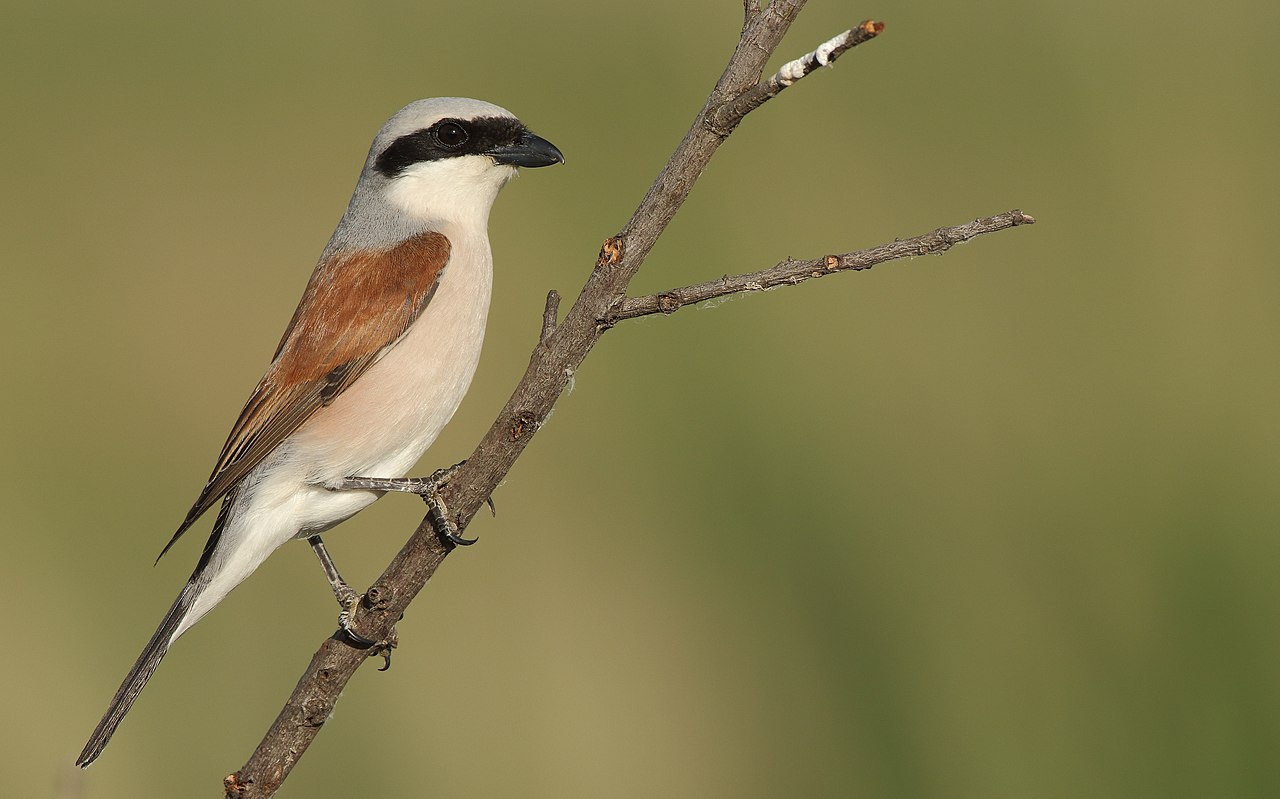
The red-backed buttonquail is a species of bird in the family Turnicidae. It is found in Australia, Indonesia, Papua New Guinea, the Philippines and the Solomon Islands. Other names by which it is known in different parts of its range include black-backed, black-spotted and orange-breasted buttonquail. There are fourteen recognised subspecies.
Region
Australasia and Southeast Asia
Typical Environment
Occurs widely in northern and eastern Australia, New Guinea, the Philippines, Indonesia, and the Solomon Islands. It favors grassy habitats including savannas, tall grasslands, fallows, and lightly cultivated fields, often with scattered shrubs. Also uses coastal dunes, open woodland understory, and the edges of wetlands where dense ground cover is available. The species is largely sedentary but can shift locally with rainfall and grass seeding. It is cryptic and typically remains close to thick ground vegetation.
Altitude Range
Sea level to 1700 m
Climate Zone
Tropical
Ease of Keeping
Beginner friendly: 2/5
Despite the name, buttonquails are not true quails and belong to their own family, Turnicidae. Females are larger and more brightly marked than males, initiate courtship, and give a booming drum-like call; males incubate the eggs and care for the chicks. The species often runs to cover rather than flying and, when flushed, makes a short, whirring flight before dropping back into vegetation. Fourteen subspecies are recognized across Australasia and nearby islands.

Temperament
secretive and shy
Flight Pattern
short rapid wingbeats; reluctant flier
Social Behavior
Typically seen singly, in pairs, or small family groups that skulk through dense grass. The species is polyandrous: females court males, lay a clutch, and may mate again while the male incubates and raises the brood. Nests are shallow ground scrapes lined with grass and often partially domed with a canopy of vegetation.
Migratory Pattern
Resident
Song Description
Females give a deep, booming drumming call that carries over long distances, especially at dawn and dusk. Both sexes produce soft clucks and whistles for contact within cover.
Plumage
Mottled and barred with rufous, buff, and black, giving a cryptic, scaly appearance; back often shows a rich chestnut panel with black spotting. Underparts buff to pale with dark spotting, heavier on the breast. Females are brighter and more strongly patterned than males.
Diet
Feeds on a mix of grass seeds and small invertebrates such as ants, termites, beetles, and caterpillars. Will also take green shoots and fallen grain where available. Forages by gleaning and scratching through leaf litter and loose soil, usually under cover of grass tussocks.
Preferred Environment
Ground level within dense grasslands, field margins, and lightly grazed pastures. Frequently uses agricultural areas like rice or sorghum fields after harvest, and the edges of wetlands where seed and insects are abundant.