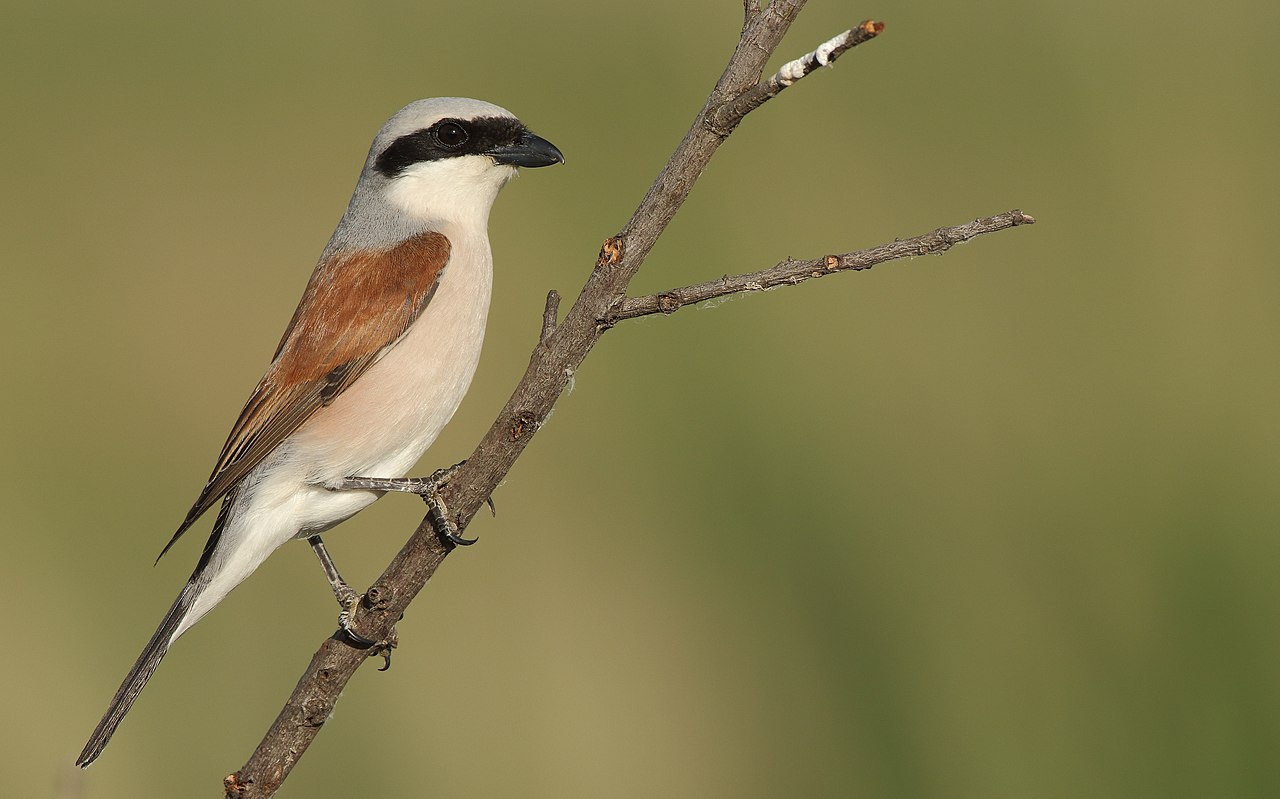
The red-backed kingfisher is a species of kingfisher in the subfamily Halcyoninae, also known as tree kingfishers. It is a predominantly blue-green and white bird with a chestnut rump. It is found across the continent of Australia, mainly inhabiting the drier regions.
Region
Australia
Typical Environment
Occurs widely across inland and semi-arid Australia, avoiding the wettest coastal forests. Prefers open woodlands, mulga and acacia scrub, spinifex plains, river corridors, and edges of waterholes in otherwise dry country. It uses exposed perches such as dead branches and fence posts to scan for prey. In very dry periods it may shift range, following rainfall and localized productivity.
Altitude Range
0–1200 m
Climate Zone
Arid
Ease of Keeping
Beginner friendly: 1/5
Despite its name, the red-backed kingfisher’s reddish color is mostly confined to a chestnut rump; the back is blue-green to greyish. It often nests by tunneling into arboreal termite mounds or earthen banks, an impressive excavation for a small bird. Largely terrestrial in its hunting, it frequently perches on fence lines and wires before swooping to the ground for prey.

Temperament
solitary and territorial
Flight Pattern
direct flight with short, rapid wingbeats
Social Behavior
Usually seen singly or in pairs, maintaining territories during the breeding season. Both sexes excavate nest tunnels, often in termite mounds, and share incubation and feeding duties. Breeding typically follows seasonal rains, with 3–5 eggs laid in a chamber at the end of the tunnel.
Migratory Pattern
Partial migrant
Song Description
Calls include sharp, metallic rattles and repeated kek-kek notes delivered from prominent perches. Vocalizations can intensify during territorial displays and courtship, carrying well over open country.
Plumage
Blue-green upperparts with a contrasting chestnut rump, white underparts, and a pale buff wash on the breast. A bold black eye-stripe runs from bill through the eye, offset by a pale supercilium and whitish collar. Wings and tail are bluish with darker flight feathers; the bill is long and sturdy.
Diet
Feeds mainly on large insects such as grasshoppers, beetles, and cicadas, as well as spiders and other arthropods. It also takes small reptiles like skinks and occasionally small amphibians. Prey is typically seized on the ground after a swift sally from a perch and beaten before swallowing.
Preferred Environment
Hunts in open habitats with scattered trees, along creek lines, and on the margins of waterholes in otherwise arid areas. Frequently uses wires, fence posts, and exposed branches as vantage points to scan for ground-dwelling prey.