

The purple-crowned fairywren is a species of bird in the Australasian wren family, Maluridae. It is the largest of the eleven species in the genus Malurus and is endemic to northern Australia. The species name is derived from the Latin word cǒrōna meaning "crown", owing to the distinctive purple circle of crown feathers sported by breeding males. Genetic evidence shows that the purple-crowned fairywren is most closely related to the superb fairywren and splendid fairywren. Purple-crowned fairywrens can be distinguished from other fairywrens in northern Australia by the presence of cheek patches and the deep blue colour of their perky tails.
Region
Northern Australia
Typical Environment
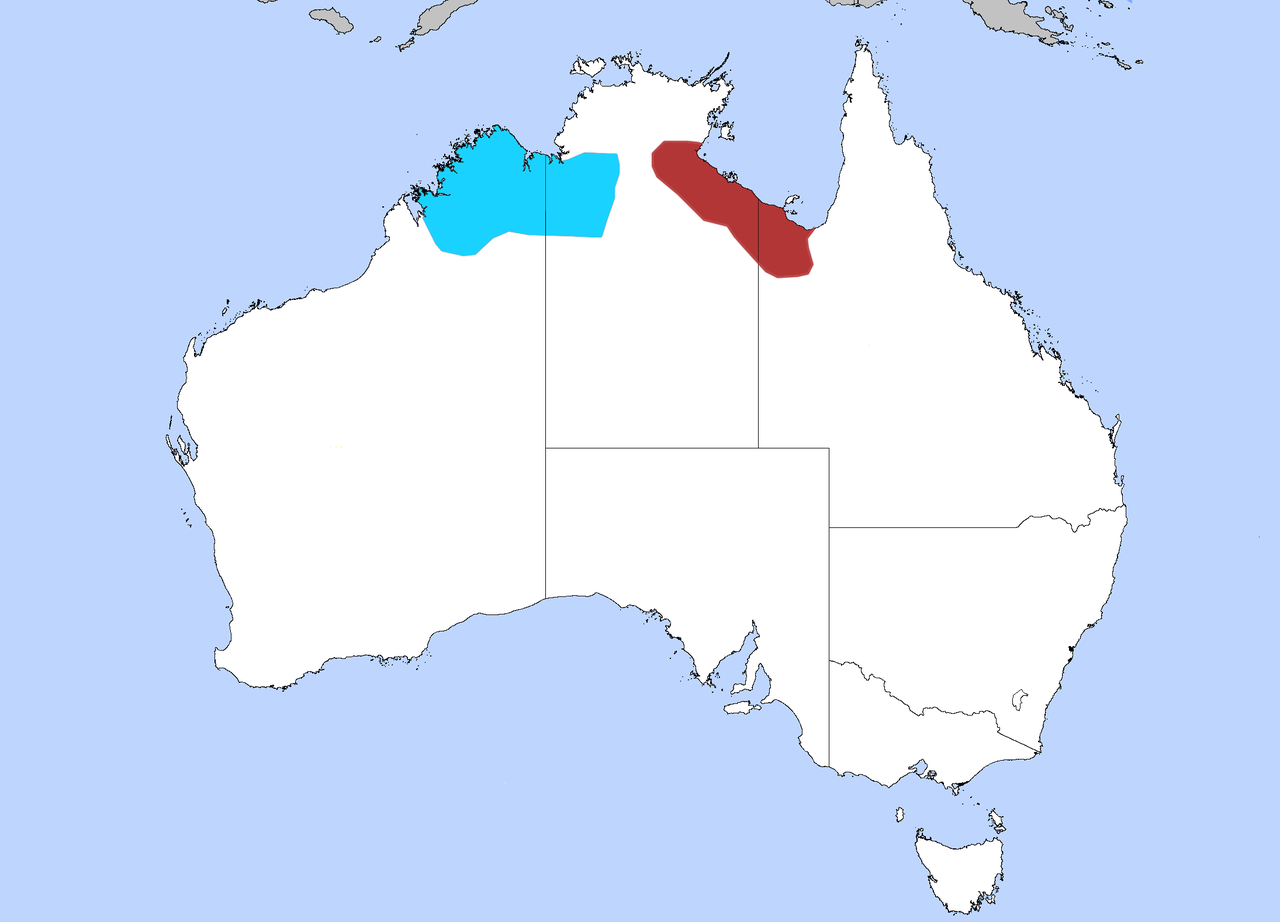
Occurs patchily along perennial rivers and creeks in the Kimberley region of Western Australia and the Top End of the Northern Territory, with a strong association to dense riparian understorey. It favors thickets of Pandanus, cane grass, and paperbark along watercourses, avoiding open savanna. Territories are linear along riverbanks and depend on intact ground and mid-story cover. Nest sites are typically low in dense vegetation, well concealed from predators. The species’ distribution is highly fragmented where riparian habitat has been degraded by fire, feral herbivores, or invasive plants.
Altitude Range
Sea level to 600 m
Climate Zone
Tropical
Ease of Keeping
Beginner friendly: 1/5
Breeding males wear a striking violet-purple crown encircled by a black band, with deep blue tails that make the species unmistakable. They are cooperative breeders, with helpers assisting a dominant pair to raise young. This species is a riparian specialist, relying on dense riverside vegetation such as pandanus and cane grass, and is threatened by habitat degradation from fire and grazing.


An illustration of purple-crowned fairywrens by H. C. Richter in The Birds of Australia, 1840–1848

Male and female purple-crowned fairywren (subspecies macgillivrayi)

Crown of the male purple-crowned fairywren (subspecies macgillivrayi)

Male purple-crowned fairywren in a patch of noogoora burr (Xanthium strumarium), a prolific invasive weed of northern Australian riparian habitats
Temperament
social and active
Flight Pattern
short rapid wingbeats, low fluttering flights between cover
Social Behavior
Lives in small cooperative groups with a dominant breeding pair and helpers that assist in territory defense and provisioning. Pairs hold linear territories along rivers year-round and nest in dense riparian vegetation. Courtship includes displays and duet-like interactions, and pairs form long-term bonds.
Migratory Pattern
Resident
Song Description
Song is a rapid, tinkling series of high notes and trills delivered from concealed perches within thickets. Calls include sharp scolds and soft contact chips to maintain group cohesion. Vocalizations are frequent at dawn and during territorial encounters.
Plumage
Breeding males show a vivid purple crown circled by a black mask and nape band, with warm brown upperparts and pale underparts. Females and non-breeding males are more subdued brown with buffy cheek patches and a contrasting deep blue tail. Overall plumage is sleek with a long, perky tail often held upright.
Diet
Primarily takes small arthropods such as ants, beetles, spiders, and caterpillars. Forages by gleaning from leaves, stems, and litter and occasionally makes short sallies to snatch prey. May supplement with small seeds or berries opportunistically.
Preferred Environment
Feeds in dense riparian understorey, especially pandanus clumps, cane grass, and paperbark thickets along watercourses. Often forages close to the ground or within low shrub layers, keeping to cover.


