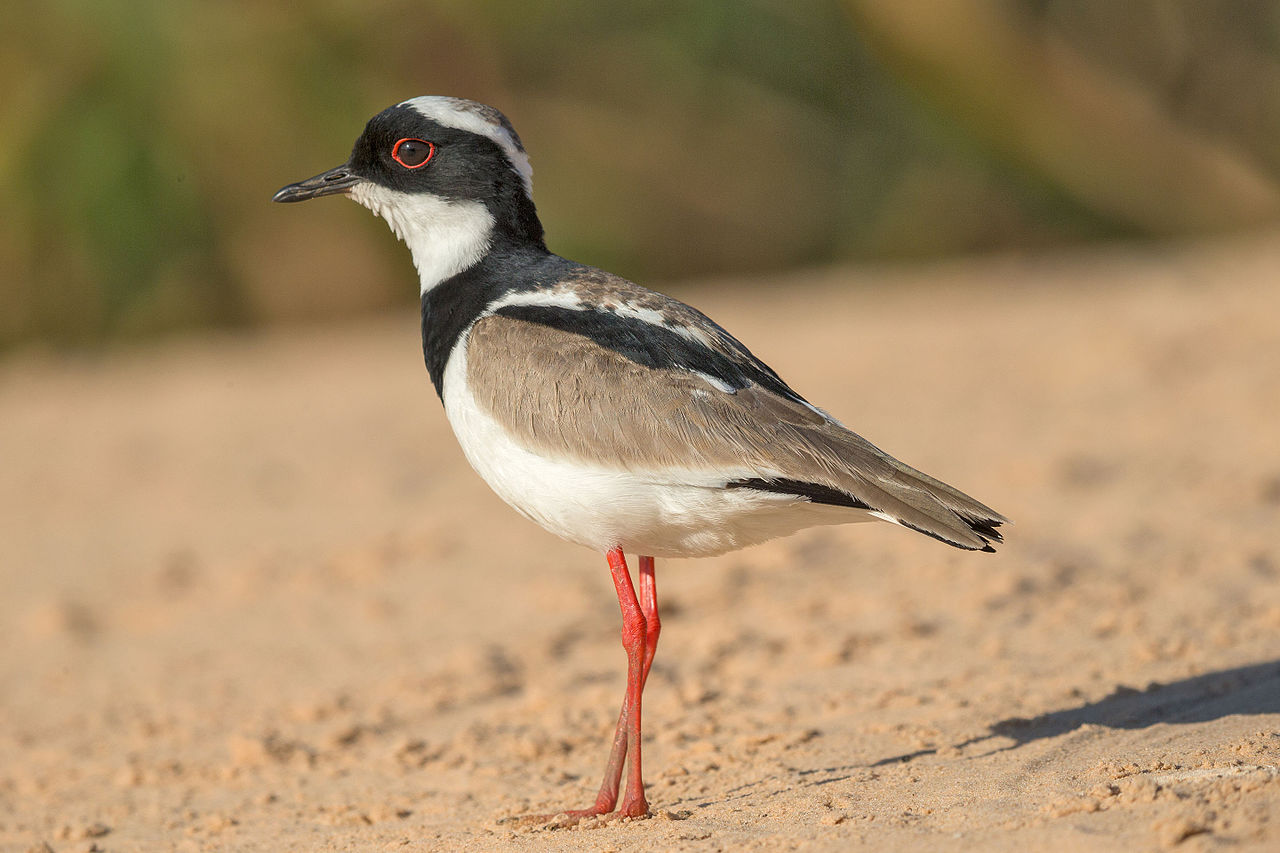
The pied heron, also known as the pied egret is a bird found in coastal and subcoastal areas of monsoonal northern Australia as well as some parts of Wallacea and New Guinea.
Region
Northern Australia, New Guinea, and Wallacea
Typical Environment
This species frequents tropical floodplains, freshwater lagoons, swamps, and billabongs, as well as mangrove fringes and tidal mudflats. It readily uses ephemeral wetlands that form after monsoonal rains and will also forage in irrigated fields, rice paddies, and sewage ponds. Breeding colonies are typically established in trees or shrubs over standing water, often in mixed-species groups. Outside the breeding season it may disperse widely following rainfall and changing water levels.
Altitude Range
Sea level to 1000 m
Climate Zone
Tropical
Ease of Keeping
Beginner friendly: 2/5
The pied heron, also called the pied egret, is a small heron of monsoonal northern Australia, Wallacea, and New Guinea. It often breeds colonially in trees over water alongside other herons, ibises, and cormorants during the wet season. Its sharp black-and-white contrast and slim, pointed bill make it easy to distinguish from other egrets at a distance.


Pied heron (juvenile) - Fogg Dam - Middle Point - Northern Territory - Australia

Pied heron feeding - Fogg Dam - Middle Point - Northern Territory - Australia

Pied heron in breeding plumage - Fogg Dam - Middle Point - Northern Territory - Australia
Temperament
generally wary but can be loosely gregarious
Flight Pattern
steady, deliberate wingbeats with short glides
Social Behavior
Forages alone, in pairs, or in small groups, but forms large mixed colonies for nesting during the wet season. Nests are flimsy stick platforms placed in trees or tall shrubs over water. Pairs defend small areas around the nest within the colony.
Migratory Pattern
Partial migrant
Song Description
Vocalizations are harsh croaks and squawks, especially at breeding colonies. Calls are typically brief, rasping notes used in alarm and social interactions rather than melodious song.
Plumage
Glossy dark blue-black head, neck, and upperparts contrasting with a white throat, breast, and belly; fine nuchal crest visible in breeding plumage.
Diet
Feeds on aquatic and terrestrial invertebrates such as insects, crustaceans, and mollusks, as well as small fish, tadpoles, and frogs. It hunts by slow stalking and quick jabs, and may use foot-stirring to flush prey. Diet shifts with water levels and prey availability in seasonal wetlands.
Preferred Environment
Usually forages along shallow margins of wetlands, floodplains, and mudflats. Also uses rice fields, drainage channels, and other artificial wetlands where small prey is concentrated.