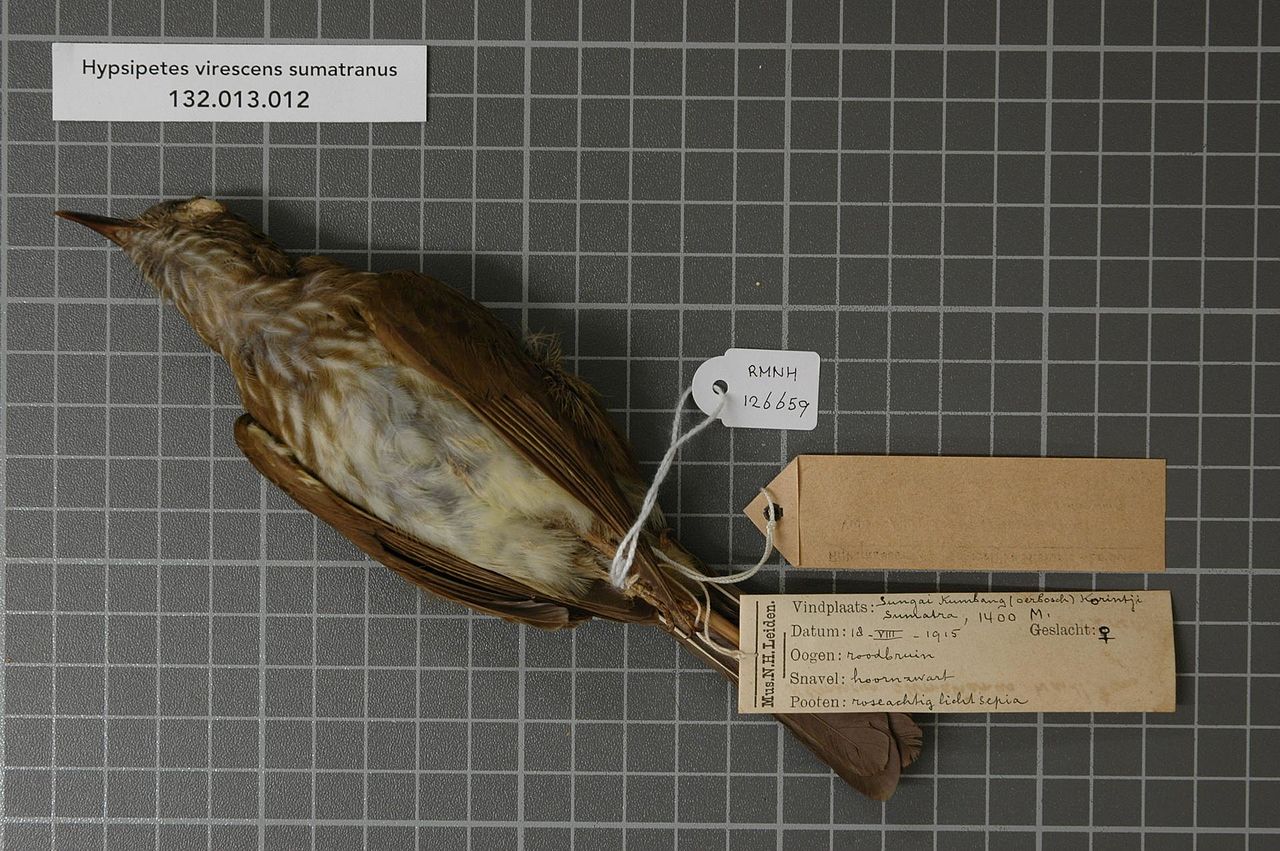
The olivaceous piha is a species of bird in the family Cotingidae, the cotingas. It is found in Colombia, Ecuador, and Peru.
Region
Northern Andes
Typical Environment
Inhabits humid subtropical and tropical montane cloud forests on the Andean slopes of Colombia, Ecuador, and northern Peru. Favors mid-elevation foothills and lower montane zones with dense, mossy understory and abundant fruiting trees. Often found along forest edges, ravines, and mature secondary growth when fruit is available. Typically uses the midstory to subcanopy, moving quietly between shaded perches.
Altitude Range
600–2100 m
Climate Zone
Highland
Ease of Keeping
Beginner friendly: 1/5
A cotinga of the Northern Andes, the olivaceous piha is a quiet, midstory dweller of humid cloud forests. Despite its drab plumage, it has a clear, whistled voice and plays an important role in seed dispersal by swallowing fruits whole. It was formerly placed in the genus Lipaugus but is now classified in the small genus Snowornis.


Temperament
quiet, secretive, and unobtrusive
Flight Pattern
short, direct flights with rapid wingbeats
Social Behavior
Usually solitary or in pairs, concentrating around fruiting trees where multiple individuals may gather loosely. During breeding, pairs form and keep small territories. The nest is a simple cup placed on a horizontal branch; as in many cotingas, the female is thought to undertake most nesting duties.
Migratory Pattern
Resident
Song Description
Gives clear, mellow whistles that often descend slightly in pitch and carry through the forest. Also produces soft, nasal notes and short phrases repeated from a concealed perch.
Plumage
Plain, smooth plumage that is uniformly olivaceous to olive-brown, slightly paler on the throat and belly with darker wings and tail.
Diet
Feeds mainly on small to medium-sized fruits and berries, swallowing them whole and later dispersing the seeds. Frequently visits fruiting melastomes, laurels, and other canopy and midstory trees. Will occasionally supplement its diet with insects, gleaned or snatched in short sallies from a perch.
Preferred Environment
Forages in the midstory and subcanopy of humid cloud forest, especially at forest edges and along ravines. Often remains in shaded interior perches and moves to exposed fruiting trees when resources peak.