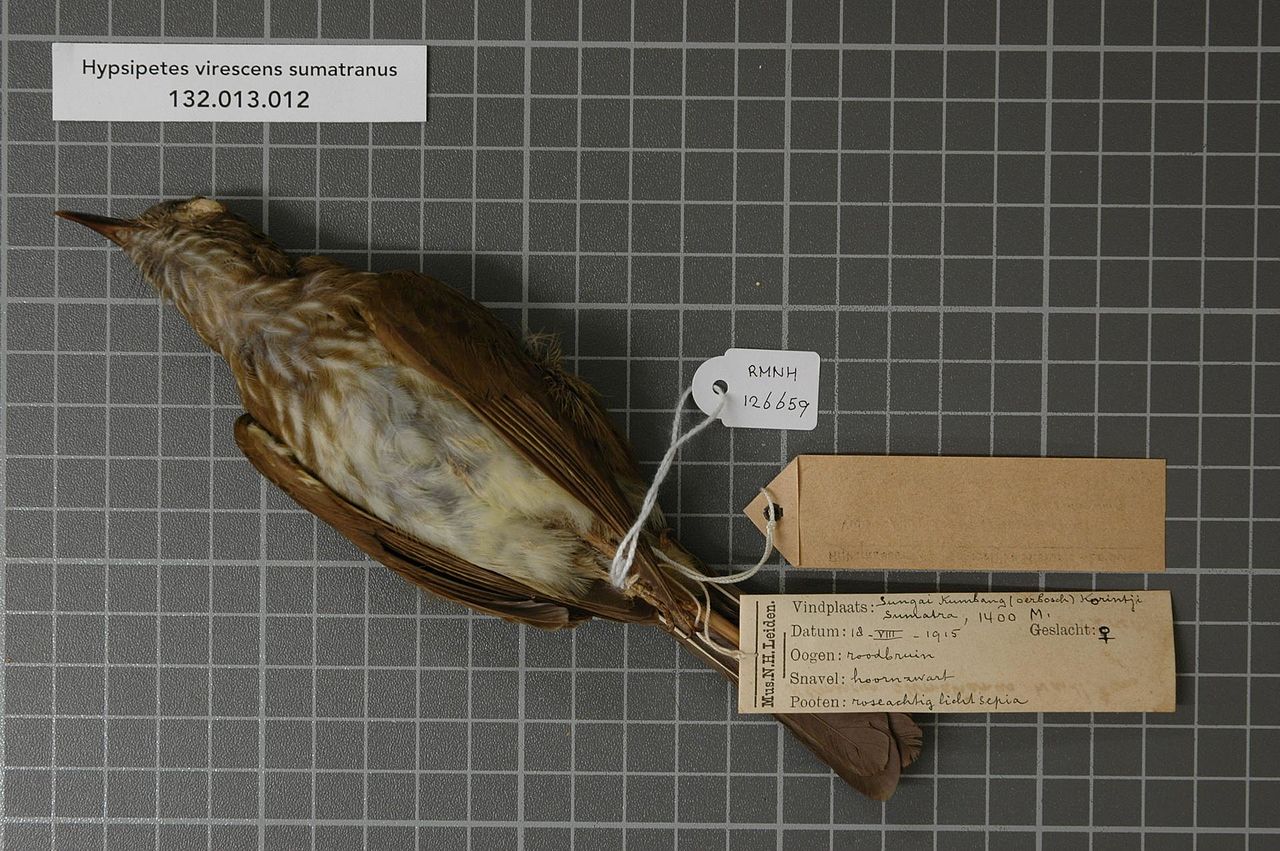
The olivaceous piculet is a species of bird in subfamily Picumninae of the woodpecker family Picidae. It is found from Guatemala south through Central America and western South America to Peru.
Region
Central America and the Pacific slope of northwestern South America
Typical Environment
Occurs from southern Guatemala through Honduras, Nicaragua, Costa Rica, and Panama, and south into western Colombia, western Ecuador, and northwestern Peru. It frequents forest edges, second-growth thickets, riparian woodland, and plantations, including coffee and cacao. The species favors tangles of vines and bamboo, and small-diameter dead branches where it can probe and glean. It is generally a lowland and foothill bird and is common in disturbed habitats.
Altitude Range
Sea level to 1600 m
Climate Zone
Tropical
Ease of Keeping
Beginner friendly: 1/5
A tiny woodpecker of the piculet clan, the olivaceous piculet forages on thin twigs and vine tangles rather than hammering large trunks. It ranges from southern Guatemala through Central America to western Colombia, Ecuador, and northwestern Peru. Males typically show a few yellow to orange flecks on the forecrown, which females lack. It often joins mixed-species flocks and adapts well to secondary growth and edges.


Temperament
active and inconspicuous
Flight Pattern
short rapid wingbeats with brief undulations
Social Behavior
Usually seen singly, in pairs, or family groups, and often accompanies mixed-species flocks in the lower to mid-levels. Excavates small nest cavities in soft dead wood, bamboo, or vine stems. Both sexes participate in nesting duties; clutch size is typically small.
Migratory Pattern
Resident
Song Description
A thin, high-pitched series of tseet or tsee notes, often delivered in quick sequences. Also gives faint rattles and gentle tapping sounds while foraging.
Plumage
Upperparts olive to olive-brown with fine mottling; underparts buffy to pale with fine dark barring or speckling, especially on the flanks. Crown finely speckled; males show tiny yellow to orange forecrown spots. Throat pale, often whitish, contrasting subtly with more patterned sides.
Diet
Feeds primarily on small arthropods such as ants, beetles, and their larvae, gleaned from bark, dead twigs, vines, and bamboo. It probes and pecks delicately rather than heavy drilling, exploiting microhabitats on fine branches. Will also take small spiders and other soft-bodied invertebrates.
Preferred Environment
Forages in vine tangles, secondary growth, and along forest edges and clearings. Often uses lower to mid-level strata and small-diameter dead wood, including roadside and garden trees.