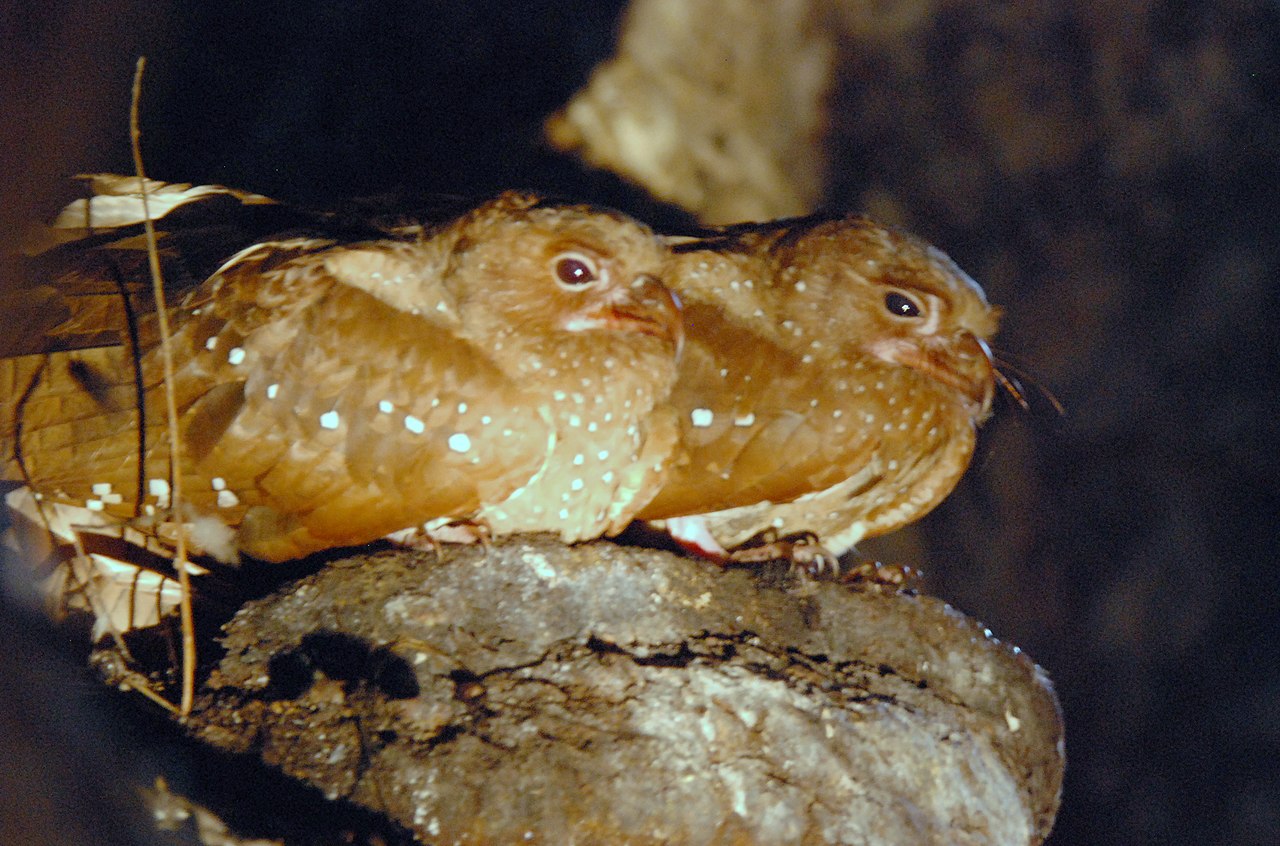
The ochre-rumped antbird is a species of bird in subfamily Thamnophilinae of family Thamnophilidae, the "typical antbirds". It is endemic to Brazil.
Region
Southeastern Brazil (Atlantic Forest)
Typical Environment
Occurs in the humid Atlantic Forest, especially along the Serra do Mar and adjacent ranges. It favors dense understory, bamboo stands, vine tangles, and steep ravines within primary and well-grown secondary forest. The species stays close to the ground or mid-understory, moving through thickets with short, rapid hops and flights. It can persist in fragmented forest patches if sufficient dense cover remains.
Altitude Range
200–1600 m
Climate Zone
Subtropical
Ease of Keeping
Beginner friendly: 1/5
This small antbird is endemic to Brazil’s Atlantic Forest and is especially fond of dense bamboo thickets. It often travels in pairs that keep close contact through soft calls and occasional duets. Unlike some antbird relatives, it is not an obligate follower of army ants, instead gleaning prey from foliage and tangles. Its warm ochre rump, usually glimpsed as it slips through cover, is a key field mark.


Temperament
skulking and territorial
Flight Pattern
short rapid wingbeats
Social Behavior
Usually found in pairs or small family groups that maintain year-round territories. Nests are placed low in dense cover; both sexes participate in care. It occasionally joins mixed-species flocks but often forages independently within bamboo patches.
Migratory Pattern
Resident
Song Description
Song is a series of clear, sharp whistles that may speed up slightly, often delivered as a duet between mates. Calls include thin seep notes and soft chatters used to keep contact while moving through cover.
Plumage
Compact antbird with finely patterned upperparts and a distinct warm ochre rump; tail and wings show subtle barring and small pale spots. Underparts are brownish to buff with faint streaking, and the crown and face show darker tones with pale facial markings. Feathers are tight and sleek, aiding movement through dense vegetation.
Diet
Primarily small arthropods, including beetles, ants, spiders, and caterpillars. It gleans prey from bamboo culms, leaves, and vine tangles, and occasionally snaps flying insects at short range. Unlike obligate ant followers, it forages methodically within thickets rather than tracking ant swarms.
Preferred Environment
Dense bamboo and tangled understory within humid forest, especially along slopes and stream edges. Foraging occurs from near ground level up to the mid-understory where cover is thick.