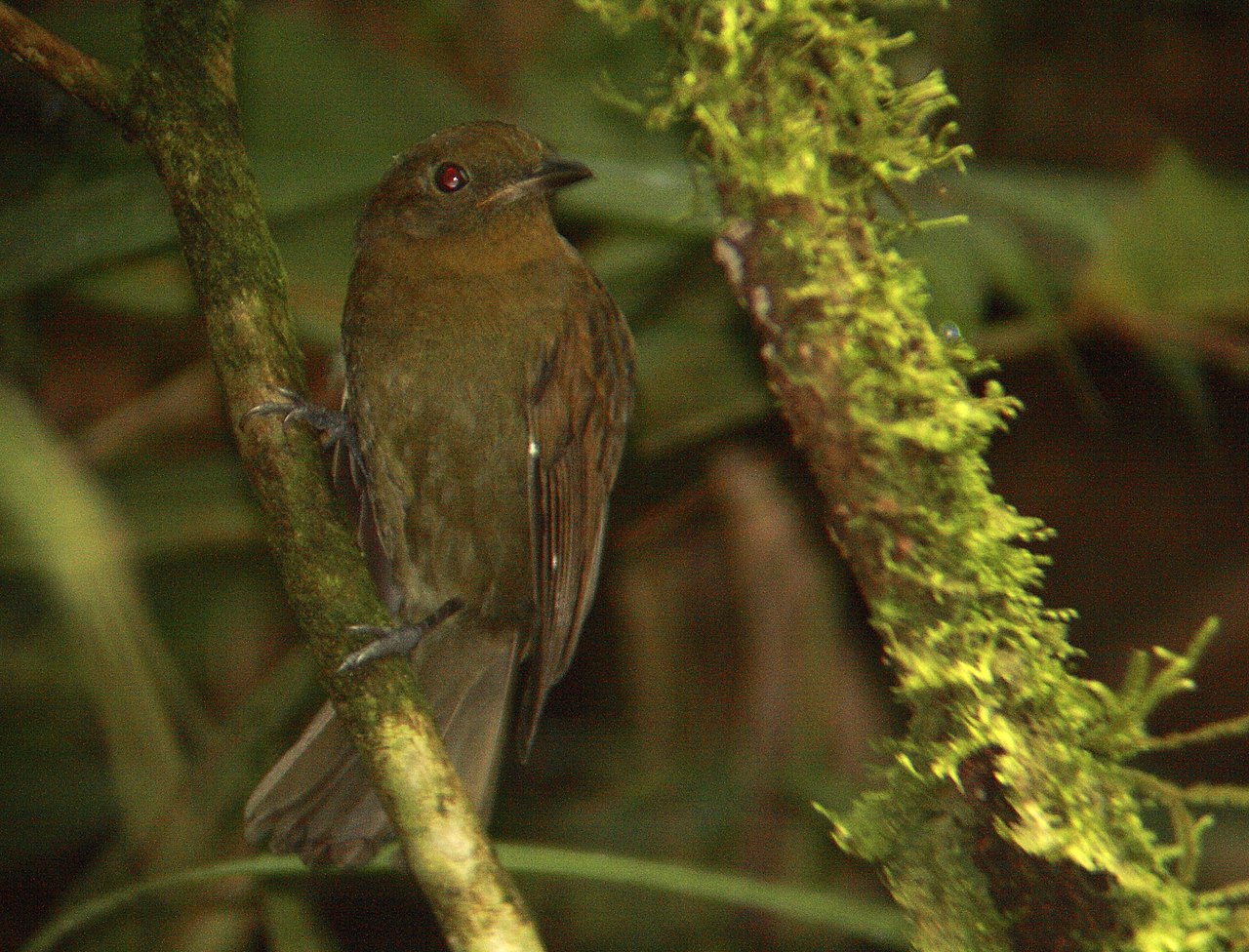
The northern red-fronted tinkerbird is a small bird in the African barbet family Lybiidae that is found in East Africa. It was regarded as conspecific with the southern red-fronted tinkerbird.
Region
East Africa
Typical Environment
Occurs in dry savannas, thornbush, acacia woodland, and coastal scrub, including human-modified habitats such as farms and gardens with scattered trees. It is most frequently encountered in low to mid-elevation zones with abundant small-fruited shrubs and mistletoes. Along edges, clearings, and riparian thickets it forages quietly in the mid to upper canopy. It is generally a year-round resident with small local movements in response to fruiting cycles.
Altitude Range
Sea level to 2200 m
Climate Zone
Tropical
Ease of Keeping
Beginner friendly: 1/5
The northern red-fronted tinkerbird is a tiny African barbet known for its steady, metronomic tink-tink call that can carry surprisingly far through bush and savanna. It favors thorn scrub and dry woodlands across East Africa and often betrays its presence more by voice than by sight. Like other tinkerbirds, it excavates small nest holes in dead branches. It was formerly lumped with the southern red-fronted tinkerbird but is now treated as separate by some authorities.
Temperament
solitary and territorial
Flight Pattern
short rapid wingbeats
Social Behavior
Usually seen singly or in pairs, keeping to cover and moving methodically through foliage. Pairs maintain small territories where the male’s persistent song advertises occupancy. They excavate nest chambers in soft or dead wood, with both partners often participating in nest maintenance. Clutches are small, and both adults attend the young.
Migratory Pattern
Resident
Song Description
A rapid, rhythmic tink-tink-tink delivered at a steady tempo, often continuing for minutes without pause. The pitch is clear and bell-like, carrying well through thorn scrub and woodland, and the bird often sings from concealed perches.
Plumage
Compact, short-tailed barbet with olive-brown upperparts and paler, buffy underparts with faint streaking. Crown shows a small red forecrown patch, contrasting with darker head and pale eyebrow. Wings and back often show small yellow spots or edging typical of tinkerbirds.
Diet
Takes small fruits and berries, especially mistletoe and other soft, fleshy fruits. Also gleans insects and spiders from leaves, twigs, and bark, supplementing its frugivory with protein-rich prey. Foraging is deliberate, with short hops and brief pauses to pluck fruit or snatch arthropods. Seasonal availability of fruit can influence daily movements within territories.
Preferred Environment
Feeds in the mid to upper levels of thorny shrubs and acacia trees, as well as along woodland edges and gardens. Frequently targets fruiting mistletoes and other small-fruited plants, occasionally joining mixed-species flocks at resource-rich patches.