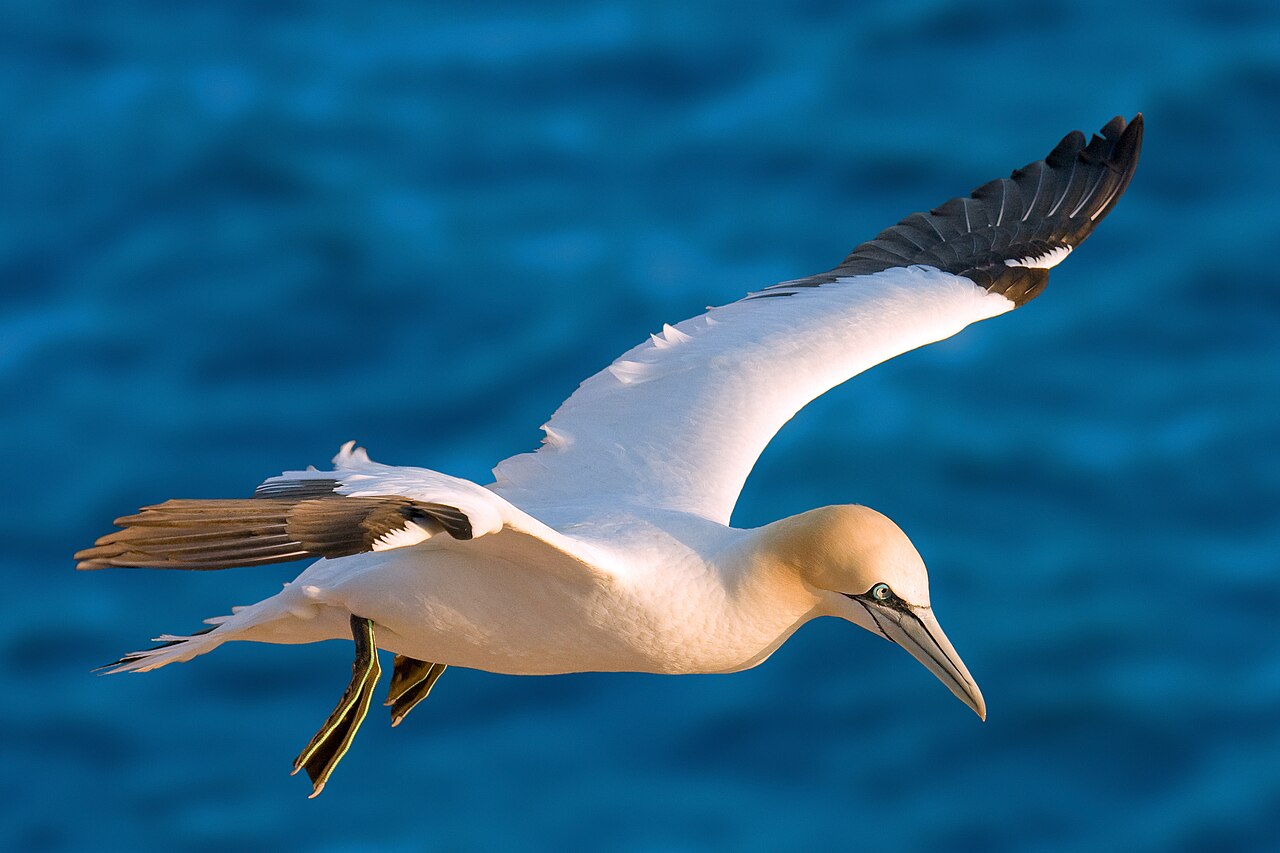
The northern double-collared sunbird, is a species of bird in the family Nectariniidae. It is found in Burundi, Cameroon, Central African Republic, Democratic Republic of the Congo, Equatorial Guinea, Kenya, Nigeria, Rwanda, South Sudan, and Uganda.
Region
Central and East African highlands
Typical Environment
Occurs in montane and submontane forests, forest edges, bamboo and heath zones, and shrubby clearings. It also uses secondary growth, montane gardens, and flowering hedgerows near settlements. Birds often track seasonal blooms of aloes and other nectar plants. They are patchy but locally common where suitable flowering resources are abundant.
Altitude Range
1200–3200 m
Climate Zone
Highland
Ease of Keeping
Beginner friendly: 1/5
This iridescent sunbird is a highland specialist that frequents flowering shrubs and forest edges. Males often defend rich nectar sources and perform showy displays at blossoms. Like other sunbirds, it can hover briefly but typically feeds while perched. It is sometimes called Reichenow's double-collared sunbird.

Temperament
active and territorial
Flight Pattern
short rapid wingbeats with brief hovering
Social Behavior
Usually seen singly or in pairs, but may join loose groups at profusely flowering trees. Males vigorously defend rich nectar patches. The nest is a pendant, oval structure with a side entrance, typically built by the female from plant fibers and spider webs. Clutch size is small, and both parents feed the young.
Migratory Pattern
Resident
Song Description
A lively series of high, thin twitters and sibilant notes, often delivered from an exposed perch. Calls include sharp tseeps and buzzes given during foraging and territorial chases. Song is fast and tinkling, repeated in short bursts.
Plumage
Male is iridescent green on head and mantle with a striking red breast band edged by a narrow metallic blue band; underparts otherwise dark. Female is duller, olive-brown above with grayish to yellowish underparts and faint streaking. Both sexes have a long, slender, decurved bill adapted for nectar feeding.
Diet
Primarily feeds on nectar from a variety of flowering plants, including aloes and other tubular blossoms. Supplements nectar with small insects and spiders, especially when feeding chicks. Also takes arthropods gleaned from foliage and occasionally hawks tiny insects in short sallies.
Preferred Environment
Forages at flowering shrubs, forest edges, and canopy gaps, often returning repeatedly to productive plants. Readily visits gardens and hedgerows in highland towns where nectar sources are available.