

The Meratus blue flycatcher is a species of bird in the Old World flycatcher family, Muscicapidae. The species was described in 2021 by the Indonesian ornithologist Mohammed Irham and his colleagues, based on genetic, morphological, and vocal differences with other Cyornis flycatchers. It is endemic to the Meratus Mountains of Indonesian Borneo, where it has been recorded only from Mount Besar. It is most common at elevations between 900 and 1,300 m and inhabits montane rainforest, secondary forest, and rubber plantations. It is sexually dimorphic like other species in its genus; males have blue upperparts, iridescent blue patches on the forehead and shoulders, and orange-and-white underparts, while females have gray-brown heads and upperparts. They have a length of 15.7–16.0 cm (6.2–6.3 in); males weigh 18.5–19.75 g (0.653–0.697 oz) and females weigh 15.75–20.0 g (0.556–0.705 oz).
Region
Borneo (Meratus Mountains, Indonesia)
Typical Environment
Found in montane rainforest, secondary forest, and nearby agroforests such as rubber plantations within the Meratus range. It uses the understory to midstory, often perching quietly before sallying to catch flying insects. Forest edges, stream corridors, and lightly disturbed slopes are frequently used. Given its very limited known range, occurrences are localized and patchy within suitable habitat.
Altitude Range
900–1300 m
Climate Zone
Highland
Ease of Keeping
Beginner friendly: 1/5
Described in 2021, this flycatcher is restricted to the Meratus Mountains of Indonesian Borneo and is known only from Mount Besar. Males are vivid blue with orange-and-white underparts, while females are gray-brown and more subdued. It inhabits montane forests and nearby modified habitats like secondary growth and rubber plantations, where it sallies for insects. Its narrow range suggests potential sensitivity to habitat change.


The Bornean blue flycatcher is the only other blue flycatcher to share the Meratus blue flycatcher's range.
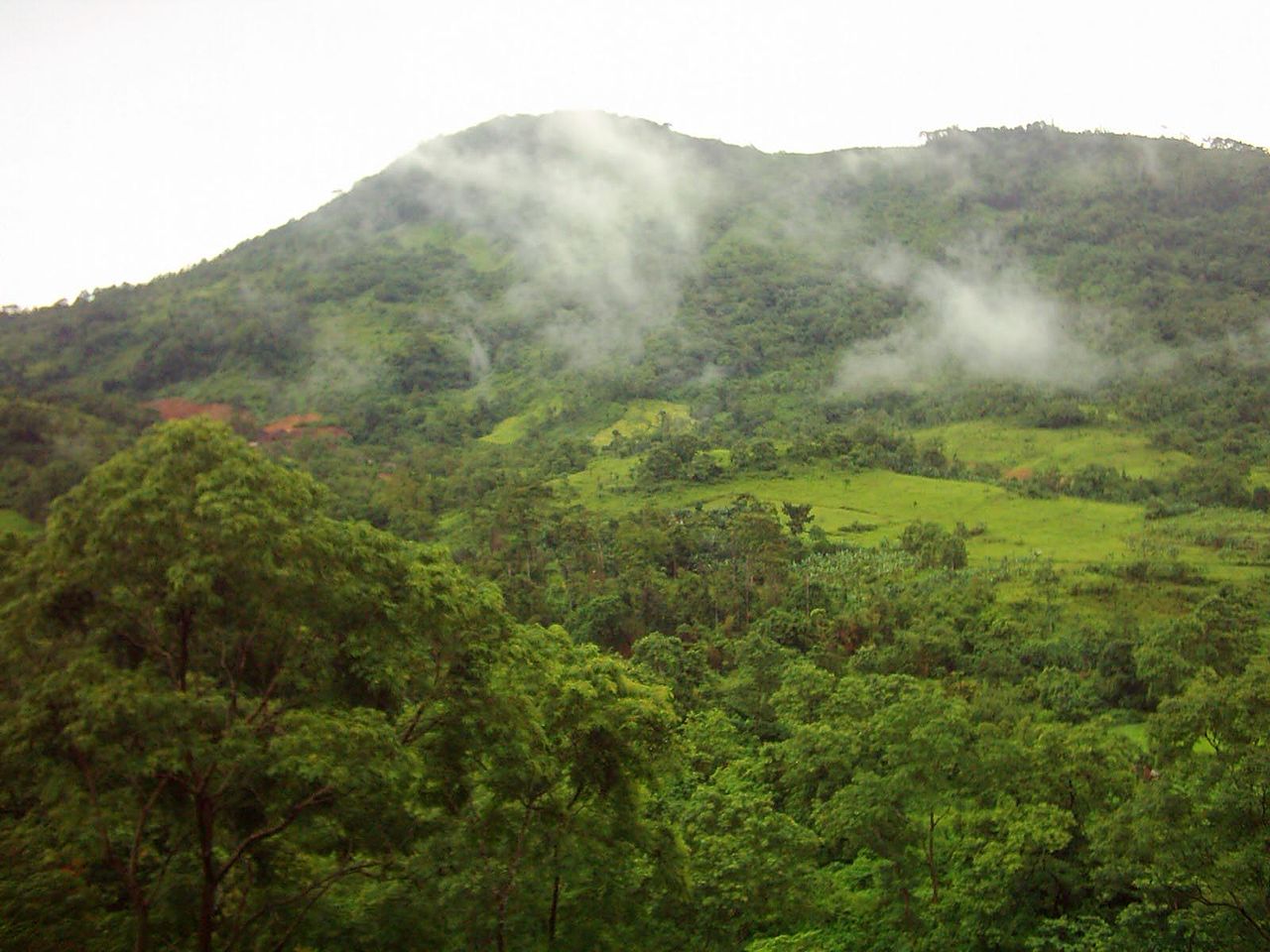
The Meratus blue flycatcher inhabits forests in the Meratus Mountains of Borneo.
Temperament
skittish but active
Flight Pattern
short rapid wingbeats with frequent sallies from low to mid-level perches
Social Behavior
Typically observed singly or in pairs, especially during the breeding season. Nests are presumed to be placed in sheltered cavities or banks like related Cyornis, but details remain poorly documented. May join mixed-species flocks in non-breeding periods while foraging.
Migratory Pattern
Resident
Song Description
Song consists of clear, high-pitched whistles and short trilled phrases typical of Cyornis flycatchers. Calls are sharp chips or ticks given during foraging and territorial interactions.
Plumage
Males have bright blue upperparts with iridescent blue patches on the forehead and shoulders, and orange-and-white underparts; females are gray-brown above with paler, duller underparts.
Diet
Primarily feeds on airborne and foliage-dwelling insects, including flies, beetles, and small moths. It uses sit-and-sally tactics, darting out from a perch to capture prey, and also gleans from leaves and small branches. Occasional foraging near forest edges and along trails has been recorded.
Preferred Environment
Forages in the shaded understory to midstory of montane forest, along stream gullies, and at forest margins. Also uses lightly disturbed secondary growth and rubber plantations adjacent to native forest.


