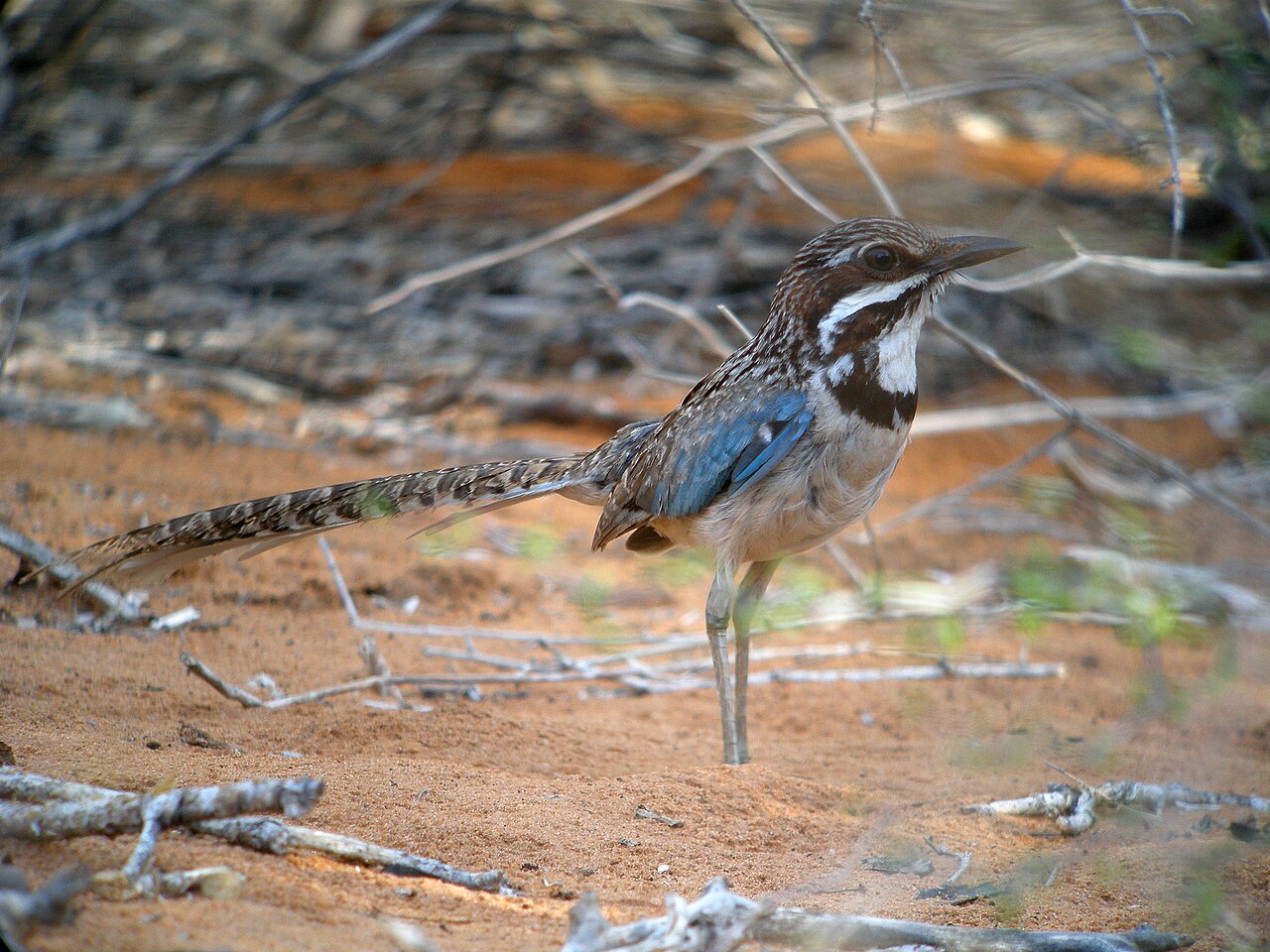
The long-tailed fiscal is a species of bird in the shrike family Laniidae. The species is closely related to the more widespread grey-backed fiscal and is sometimes placed in a separate subgenus, Neolanius, with that species. It is found in southern Somalia, southern and south-eastern Kenya, from the shores of Lake Victoria to the coast; and northern and eastern Tanzania south to Dar es Salaam, with a separate population at Usanga Flats. Its natural habitat is open dry habitats such as dry, treeless savanna, open woodland and cultivated patches.
Region
East Africa
Typical Environment
Occurs in southern Somalia, southeastern Kenya from the Lake Victoria basin to the coast, and northern and eastern Tanzania south to around Dar es Salaam, with a separate population in the Usangu Flats. It favors open, dry habitats including treeless savanna, thorn-scrub, open woodland, and agricultural mosaics. Common along roadsides, pastures, and village edges where scattered bushes and perches are available. Avoids dense forest and heavily urbanized centers but readily uses human-made perches such as wires and fences.
Altitude Range
0–1800 m
Climate Zone
Tropical
Ease of Keeping
Beginner friendly: 2/5
A member of the shrike family, the long-tailed fiscal is sometimes called a 'butcherbird' for its habit of impaling prey on thorns or barbed wire for later consumption. It often hunts from exposed perches such as fence posts and telephone wires, making short sallies to the ground. Pairs maintain territories year-round and are conspicuous, frequently tail-flicking and scolding intruders. Its very long, graduated tail helps with balance during agile perch-to-ground forays.


Temperament
bold and territorial
Flight Pattern
short rapid wingbeats with direct dashes between perches
Social Behavior
Typically seen in pairs or small family groups that defend territories year-round. Monogamous pairs build a neat cup nest in thorny shrubs or small trees. They display tail-flicking and perform perch-hunting, dropping to the ground to seize prey before returning to a vantage point.
Migratory Pattern
Resident
Song Description
Song is a varied series of whistles, chattering phrases, and trills delivered from an exposed perch. Calls include harsh scolds and alarm notes, with occasional mimicry of other species. Vocal throughout the day, especially at dawn and late afternoon.
Plumage
Striking black-and-white shrike with a long, graduated tail; glossy to blackish upperparts with bold white scapular patches and clean white underparts sometimes with a faint buff wash on the flanks. A dark facial mask runs through the eye and contrasts with paler sides of the head. White patches in the wing and tail are conspicuous in flight.
Diet
Primarily consumes large insects such as grasshoppers, beetles, termites, and caterpillars. Also takes small vertebrates including lizards, small rodents, and occasionally small birds or nestlings. Often impales prey on thorns or barbed wire to store food or help tear it apart. Hunts by watching from an exposed perch and pouncing to the ground or making short sallies.
Preferred Environment
Forages along edges of open woodland, thorn-scrub, savanna, and cultivated fields. Frequently uses fences, wires, and isolated bushes as hunting perches. Also patrols road verges and pasture edges where prey is abundant.