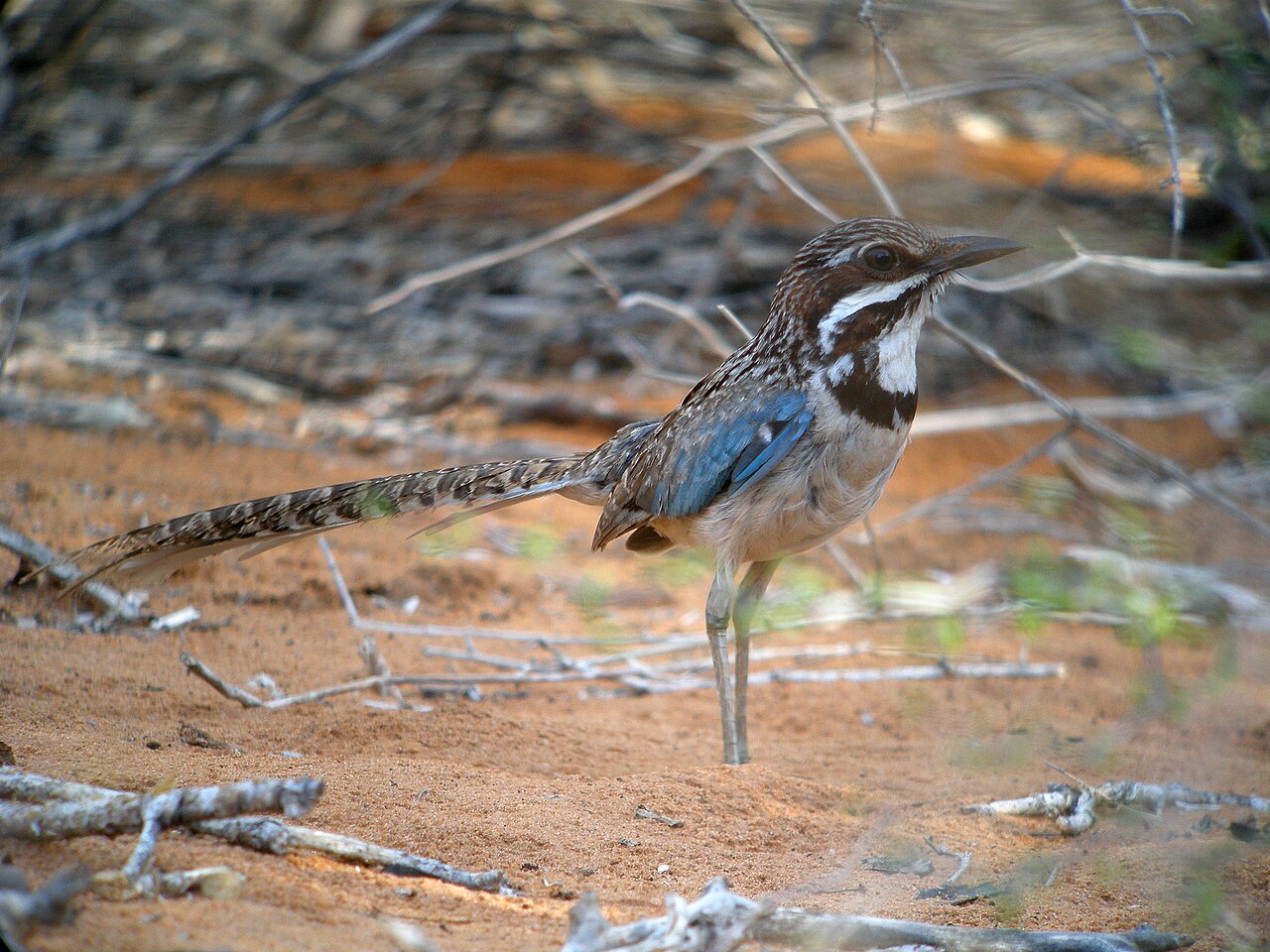
The long-tailed duck is a medium-sized sea duck that breeds in the tundra and taiga regions of the arctic and winters along the northern coastlines of the Atlantic and Pacific Oceans. It is the only member of the genus Clangula.
Region
Circumpolar Arctic
Typical Environment
Breeds across Arctic tundra and taiga zones of North America, Europe, and Asia, nesting near freshwater lakes and ponds. Outside the breeding season it moves to marine environments, wintering along the northern Atlantic and Pacific coastlines. It favors shallow coastal waters, estuaries, bays, and offshore shoals where benthic invertebrates are abundant. During migration it can occur on large inland lakes and rivers.
Altitude Range
Sea level to 1500 m
Climate Zone
Polar
Ease of Keeping
Beginner friendly: 1/5
The long-tailed duck is the only member of the genus Clangula and is renowned for its deep-diving ability, reportedly reaching depths of around 60 m. Males sport very long central tail feathers in breeding plumage, giving the species its name. Highly vocal, it has yodeling calls that carry over winter seas. It breeds on Arctic tundra pools and winters in large flocks along northern coasts.


Breeding male, Norway

In flight
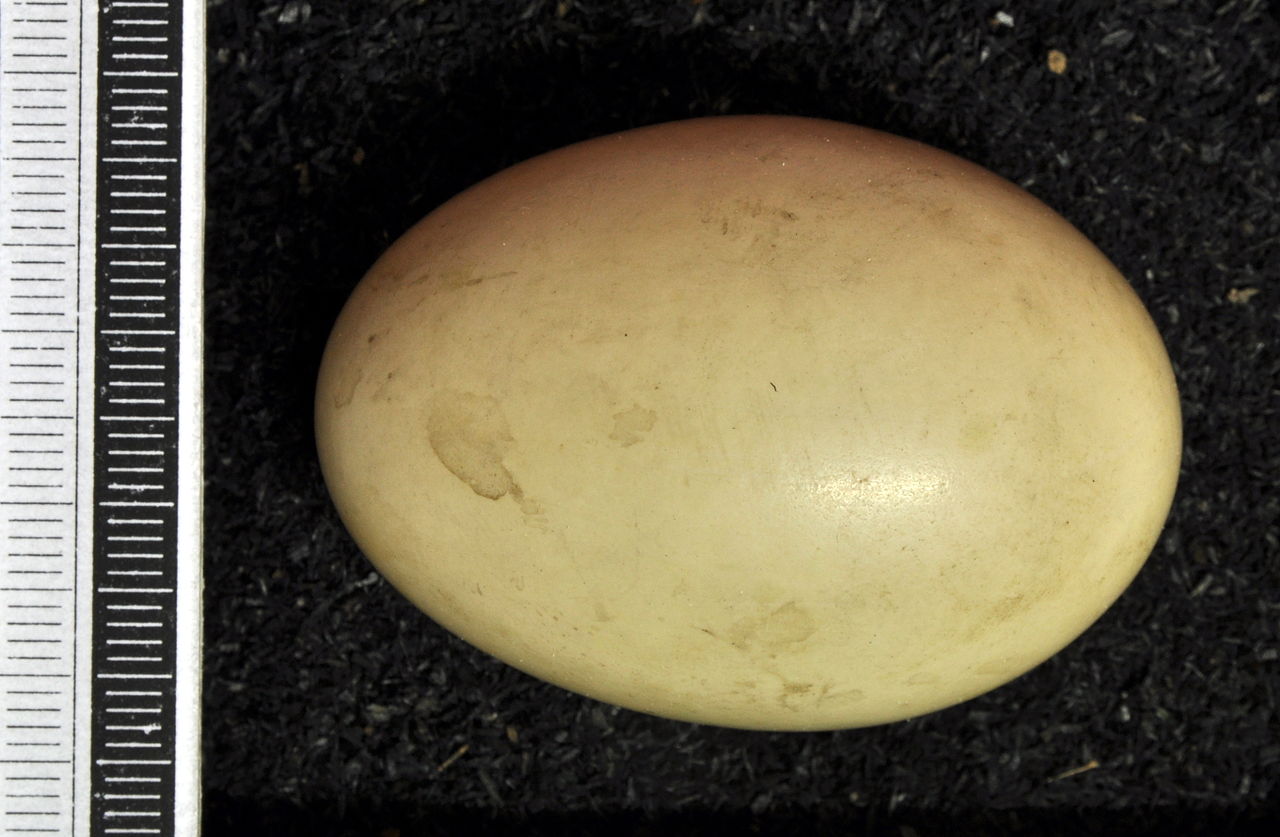
Egg, Museum Wiesbaden

Mother and six ducklings in Iceland

Swimming on Lake Ontario
Temperament
social and active
Flight Pattern
short rapid wingbeats and low fast direct flight
Social Behavior
Forms large, cohesive flocks in winter, often diving synchronously. Pairs form on wintering grounds or during spring migration; nests are on the ground near water, lined with down. Females incubate and tend the brood; males typically depart early in the breeding season.
Migratory Pattern
Seasonal migrant
Song Description
Highly vocal with musical, yodeling calls that carry over open water. Males give a distinctive ow-ow-lee or yodel-like series, especially in winter and spring. Contact calls are conversational and frequent within flocks.
Plumage
Strikingly patterned, with seasonal change; males show sharp contrasts of white, black, and brown with extremely long central tail feathers, females are browner with shorter tails. Winter males are largely white-headed with a dark cheek patch and dark back; summer males are darker overall with white patches. Females and immatures are mottled brown and white.
Diet
Primarily consumes aquatic invertebrates such as crustaceans (amphipods, shrimps), mollusks, and aquatic insects; occasionally small fish and some plant material are taken. It is an adept diver, often feeding on the seafloor or lakebed. Prey is grasped with the bill and swallowed underwater.
Preferred Environment
Feeds in shallow coastal waters, bays, and estuaries during winter, often over sandy or rocky substrates with abundant benthic fauna. On breeding grounds it forages in tundra lakes and ponds.