

The little gull is a species of gull belonging to the family Laridae which is mainly found in the Palearctic with some small colonies in North America. It breeds on freshwater lakes and marshes, and spends winters at sea. It is the smallest species of gull in the world, and the only species in the monospecific genus Hydrocoloeus.
Region
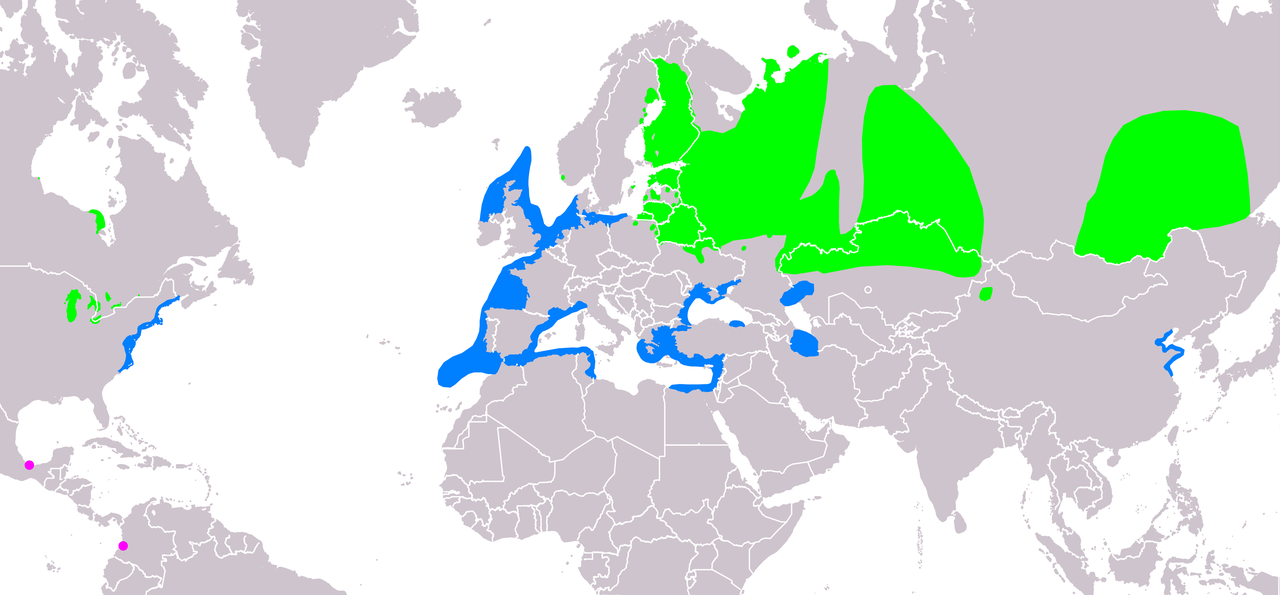
Palearctic and North Atlantic
Typical Environment
Breeds from western Europe across northern and central Eurasia on shallow, vegetated lakes, peatlands, and marshes. During migration it uses large inland lakes, reservoirs, and estuaries. In winter it frequents coastal seas, bays, and river mouths, as well as the Great Lakes region in North America in small numbers. It forms loose to large flocks outside the breeding season and often associates with terns and other small gulls.
Altitude Range
Sea level to 1200 m
Climate Zone
Temperate
Ease of Keeping
Beginner friendly: 1/5
The little gull is the world’s smallest gull and the sole member of the genus Hydrocoloeus. It breeds on freshwater lakes and marshes across the Palearctic and winters mainly at sea. Adults in breeding plumage show a blackish hood and distinctive smoky-grey underwings, giving a tern-like appearance in flight. It often feeds by hawking insects over water or taking prey delicately from the surface.



Temperament
social and active
Flight Pattern
buoyant, tern-like flight with quick, agile wingbeats
Social Behavior
Breeds colonially, often in small to medium colonies sometimes mixed with terns or other small gulls. Nests are typically shallow cups on floating vegetation or low tussocks in marshes. Generally monogamous within a season, with both sexes sharing incubation and chick rearing. Outside breeding, forms flocks that forage and roost together.
Migratory Pattern
Seasonal migrant
Song Description
Vocalizations are soft, high-pitched and mewing, with short 'kek' or 'kyee' notes. Calls are most frequent over colonies and during aerial foraging, often less raucous than larger gulls.
Plumage
Smooth pale grey upperparts and white underparts; adults in breeding plumage with a blackish hood and uniformly smoky-grey underwings. Nonbreeding adults lose the hood, showing dark ear-spot; juveniles display a dark 'W' pattern across the wings.
Diet
Feeds heavily on aquatic and aerial insects such as midges and mayflies, especially during the breeding season. Also takes small fish, crustaceans, and other invertebrates near or on the water surface. Forages by hawking insects in the air, picking prey from the surface, and occasionally dabbling in shallow water. Opportunistic and adaptable to seasonal prey availability.
Preferred Environment
Most often feeds over freshwater lakes, marshes, and slow rivers during breeding and migration. In winter it uses coastal waters, estuaries, and sheltered bays, sometimes following fronts of emergent insects or small fish schools.


