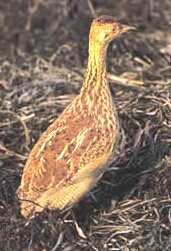
The lesser nighthawk is a nightjar found throughout a large part of the Americas. This bird looks similar to the common nighthawk but is slightly smaller, has a slightly less deeply forked tail, and is more buffy in coloration. Their distinctive mouths are very well adapted for capturing insects mid-flight.
Region
Americas
Typical Environment
Occupies open and semi-open habitats including deserts, arid scrub, thorn forest edges, grasslands, and agricultural fields. It often favors areas near washes, river margins, and shallow wetlands where insect swarms concentrate. Roosting typically occurs on the ground or low, flat substrates where its mottled plumage blends with gravel or leaf litter. In urban and rural settings it may forage around streetlights and over open lots. During the breeding season in the southwestern United States and northern Mexico it frequents hot, dry lowlands.
Altitude Range
0–2000 m
Climate Zone
Subtropical
Ease of Keeping
Beginner friendly: 1/5
The lesser nighthawk is a small nightjar of the Americas, crepuscular and nocturnal, with a wide gaping mouth adapted to catch insects on the wing. It is buffier and slightly smaller than the common nighthawk, with a less deeply forked tail and a narrower, more distal wing bar. It nests directly on bare ground, relying on superb camouflage rather than building a nest. Males perform display flights with trills and wing-claps at dusk.


Temperament
cryptic and calm
Flight Pattern
buoyant with short rapid wingbeats and glides, low over open ground
Social Behavior
Generally solitary or in loose groups while foraging, with pairs forming in the breeding season. Nests are simple scrapes on bare soil or gravel with no constructed material. Adults rely on camouflage and distraction displays to protect eggs and chicks. May gather loosely where insects are abundant, especially after rains.
Migratory Pattern
Partial migrant
Song Description
Calls are soft, rapid trills or rolling purrs delivered at dusk and dawn, often during display flights. Also gives short chips and low churrs while foraging.
Plumage
Fine mottling of buff, brown, gray, and black with irregular bars; overall buffier tone than similar nighthawks. Males show a narrow white wing bar on the primaries and a pale subterminal tail band; females have a buffier, less contrasting wing patch. Underparts are barred and spotted, aiding camouflage.
Diet
Feeds almost entirely on flying insects, including moths, beetles, flying ants, termites, and mosquitoes. Captures prey on the wing using a wide gape and bristled mouth edges. Foraging intensity increases after rains or during insect emergences. Will occasionally drink by skimming the surface of water while flying.
Preferred Environment
Hawks over open deserts, scrublands, grasslands, agricultural fields, and along riparian corridors. Commonly forages around lights and over water bodies where insects concentrate. Often feeds low over the ground or along edges of clearings.