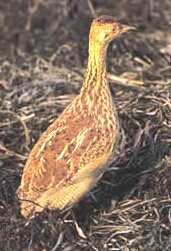
The lesser melampitta is a medium-sized enigmatic terrestrial songbird of mountain forests of New Guinea. It is the only species in the genus Melampitta. It is now classified in the family Melampittidae, but in some other sources it is variously considered close to or in the Orthonychidae (logrunners), Paradisaeidae, Corcoracidae, Cnemophilidae (satinbirds) or Monarchidae.
Region
New Guinea Highlands
Typical Environment
Occurs widely in the montane forests of New Guinea, favoring dense, mossy understorey and forest floor habitats. It inhabits primary and mature secondary forest, especially along ridges, slopes, and gullies with thick ground cover. Birds are typically encountered in shadowy, damp areas with abundant leaf litter, logs, and root tangles. It can persist in selectively logged forest if undergrowth remains intact.
Altitude Range
1200–3000 m
Climate Zone
Highland
Ease of Keeping
Beginner friendly: 1/5
The lesser melampitta is a secretive, ground-dwelling songbird of New Guinea’s mossy mountain forests. It is famed for its velvety black plumage and striking red eyes, and for its unusually short tail. Its taxonomic placement has long puzzled ornithologists and it is now placed in its own family, Melampittidae. It builds a large, domed nest with a side entrance, often close to the ground on mossy banks or logs.

Temperament
solitary and secretive
Flight Pattern
short rapid wingbeats; reluctant flier that mostly hops and runs on the ground
Social Behavior
Usually found singly or in pairs, holding territories in dense understorey. Nests are large domed structures with a side entrance, placed low over the ground or on mossy banks. Breeding pairs are thought to be monogamous and both sexes may contribute to nesting duties.
Migratory Pattern
Resident
Song Description
Song consists of clear, ringing whistles and piping notes that carry well through the forest. Calls can sound ventriloquial, making the bird hard to locate. Males often sing from concealed perches at dawn and dusk.
Plumage
Uniform, velvety-black plumage with a soft, plush texture and very short tail; wings are rounded.
Diet
Feeds primarily on insects and other small invertebrates such as beetles, ants, caterpillars, spiders, and larvae. It gleans, probes, and flips leaf litter on the forest floor. Occasionally it may take small berries or other soft plant matter when available, but animal prey dominates.
Preferred Environment
Forages in dark, damp understorey with deep leaf litter, mossy logs, and root tangles. Often works along trails, fallen trunks, and dense thickets where prey can be dislodged and captured.