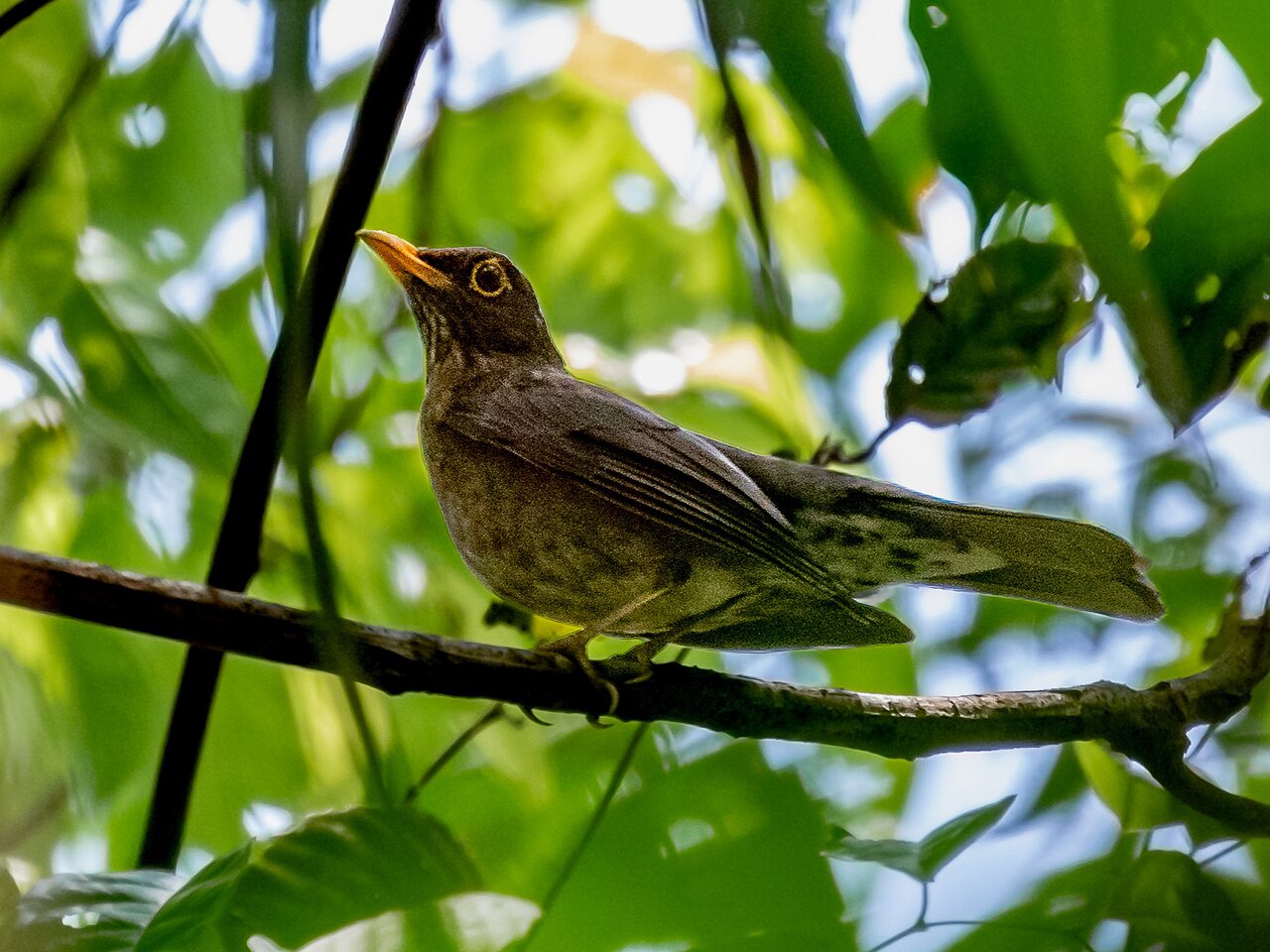
The laurel pigeon or white-tailed laurel pigeon is a species of bird in the Columba genus in the family Columbidae. It is endemic to the Canary Islands, Spain, and resides in laurel forest habitat. It is the animal symbol of the island of La Gomera.
Region
Canary Islands (Macaronesia)
Typical Environment
Found on the wetter, windward slopes of the western Canary Islands where mature laurel forest (monteverde) persists. It frequents steep ravines and coastal to mid-elevation cliffs near forest stands, using ledges for roosting and nesting. Birds often commute between forest feeding areas and cliff roosts, especially at dawn and dusk. It can also use secondary growth and forest edges when fruit is abundant. Local movements track seasonal fruiting of native trees.
Altitude Range
300–1200 m
Climate Zone
Subtropical
Ease of Keeping
Beginner friendly: 1/5
Endemic to Spain’s Canary Islands, the laurel pigeon is closely tied to humid laurel forests and adjacent cliffs. Its bold white tail-band is striking in flight and helps distinguish it from other island pigeons. It plays a vital role as a seed disperser for many native trees, aiding regeneration of the ancient Macaronesian laurel forests. It is the animal symbol of La Gomera and is strictly protected.


In flight

Macaronesian Laurel forest
Temperament
shy and wary
Flight Pattern
strong flier with swift, direct flight
Social Behavior
Often seen in pairs or small groups, especially at fruiting trees. Monogamous pairs nest on cliff ledges or occasionally in trees, typically laying a single egg. Breeding can occur most of the year with peaks in spring and early summer. Roosting is communal on safe cliffs close to feeding areas.
Migratory Pattern
Resident
Song Description
Deep, resonant coos delivered from concealed perches within the forest or from cliff ledges. Phrases are low, rhythmic, and repetitive, carrying well in humid forest air.
Plumage
Uniform dark slate-grey to brownish-grey with a subtle purplish gloss on the neck and upper breast; smooth, unspotted body feathers.
Diet
Primarily consumes fruits of native laurel-forest trees such as Laurus novocanariensis, Ocotea foetens, Persea indica, and Ilex species. Also takes berries of shrubs and occasionally tender leaves, buds, and seeds when fruit is scarce. By swallowing fruits whole and passing seeds, it disperses and helps germinate many forest plants. It may supplement its diet with introduced fruits at edges and secondary growth.
Preferred Environment
Feeds high in the canopy and along forest edges where fruiting trees are concentrated. Also forages along ravines and near cliff bases where laurel-forest vegetation persists. Occasional ground visits occur to pick fallen fruits.