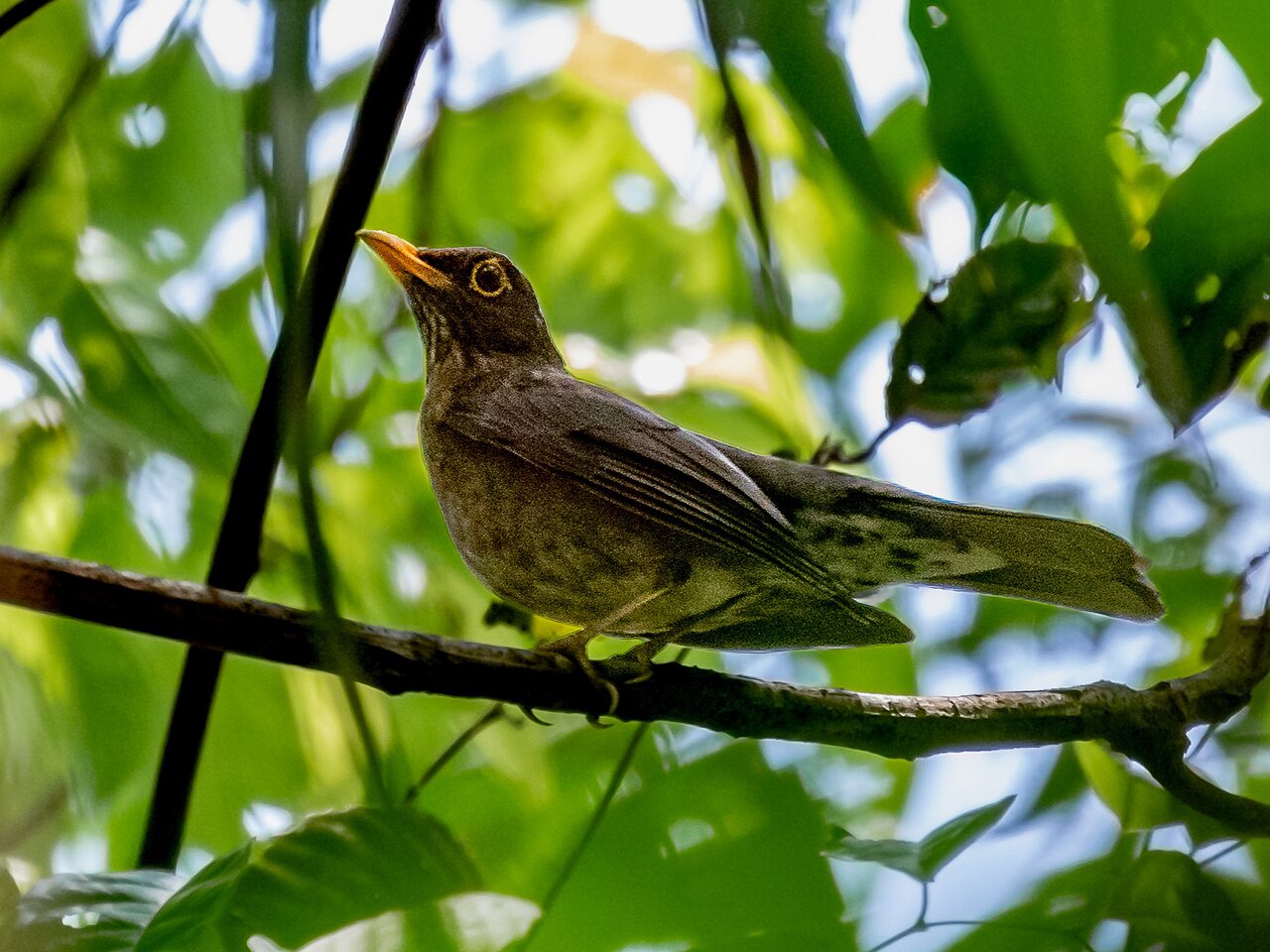
The lava heron, also known as the Galápagos heron, is a species of heron endemic to the Galápagos Islands of Ecuador. It is considered by some authorities — including the American Ornithological Society and BirdLife International — to be a subspecies of the striated heron, and was formerly "lumped" with this species and the green heron as the green-backed heron.
Region
Galápagos Islands
Typical Environment
Occurs throughout coastal habitats of the Galápagos, especially along rugged lava shorelines, mangrove fringes, and tidal pools. It favors sheltered bays, rocky coves, salt lagoons, and intertidal flats where small prey is abundant. Birds often perch on lava outcrops or mangrove roots to scan for movement. Inland records are rare and usually tied to brackish ponds close to the coast.
Altitude Range
Sea level to 100 m
Climate Zone
Tropical
Ease of Keeping
Beginner friendly: 1/5
Also called the Galápagos heron, it blends remarkably with dark volcanic shorelines thanks to its sooty slate plumage. During breeding, its legs turn bright orange and the plumage becomes darker, almost black, with subtle glossy tones. It often hunts crabs and small fish in tidal pools formed on lava flows. Some authorities treat it as a subspecies of the striated heron.


Lava heron stalking crabs, Galápagos Islands, Ecuador
Temperament
solitary and territorial
Flight Pattern
short rapid wingbeats, low and direct over water
Social Behavior
Typically forages alone and defends small shoreline territories. Nests in mangroves or coastal shrubs, sometimes in loose colonies where suitable sites cluster. Both sexes participate in nest building and incubation, and the species shows strong site fidelity.
Migratory Pattern
Resident
Song Description
Generally quiet, giving sharp, rasping ‘skek’ or ‘kek’ alarm calls when flushed. Soft croaks and grating notes are used around nesting sites and during territorial encounters.
Plumage
Sooty slate to dark grey overall, appearing almost black in breeding season with a slight greenish sheen; juveniles browner with fine streaking.
Diet
Primarily small fish, crabs, and other crustaceans taken from tidal pools and shallow edges. It will also consume marine worms, aquatic insects, and occasional small lizards. Hunting is mostly a sit-and-wait or slow-stalk strategy, with sudden jabs of the bill. It may exploit low tides to access concentrated prey in rocky pools.
Preferred Environment
Feeds along lava rocks, mangrove roots, and quiet coves where cover and vantage points are available. Often uses elevated perches such as lava blocks or low branches to watch for movement before descending to strike.