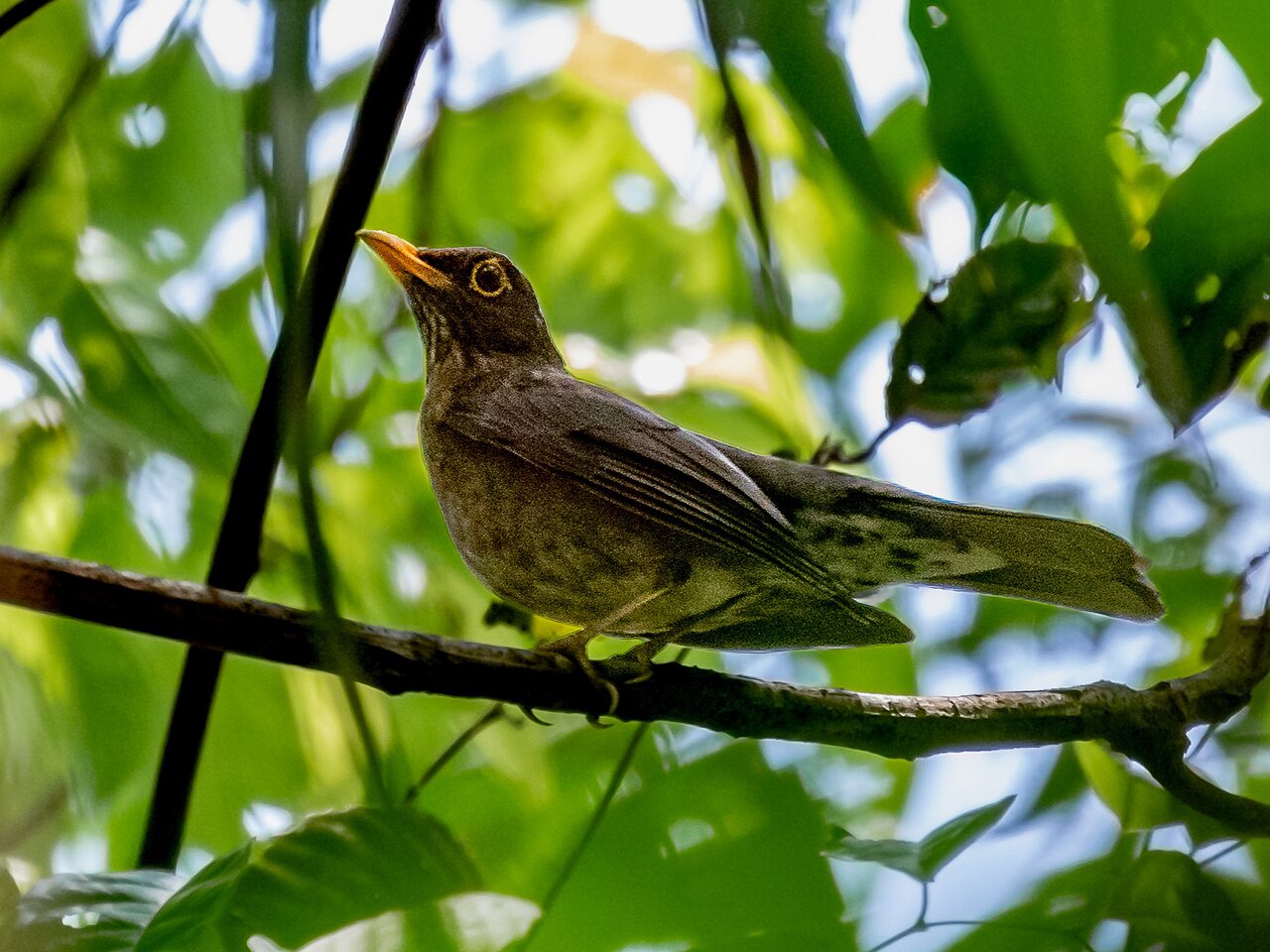
The lava gull, also known as the dusky gull, is a medium-sized gull and a member of the "hooded gull" group. It is most closely related to the Laughing gull and Franklin's gull and is the rarest gull in the world. It is endemic to the Galapagos Islands.
Region
Eastern Pacific (Galápagos Archipelago)
Typical Environment
Found along coastal shorelines, bays, and mangrove-fringed lagoons throughout the main islands of the Galápagos. It frequents lava-rock beaches, tidal flats, and port areas where fish waste is available. Nesting typically occurs on the ground among lava rocks, sparse vegetation, or low shrubs just inland from beaches. The species is highly localized and rarely ventures far offshore.
Altitude Range
Sea level to 100 m
Climate Zone
Tropical
Ease of Keeping
Beginner friendly: 1/5
The lava gull, or dusky gull, is the rarest gull in the world and occurs only in the Galápagos Islands. Unlike most gulls, it nests solitarily and defends territories vigorously along shorelines and mangroves. It often scavenges around sea lion colonies and fishing docks, taking advantage of food scraps. Its white eye crescents and dark, sooty plumage make it distinctive among gulls.


Lava Gull standing
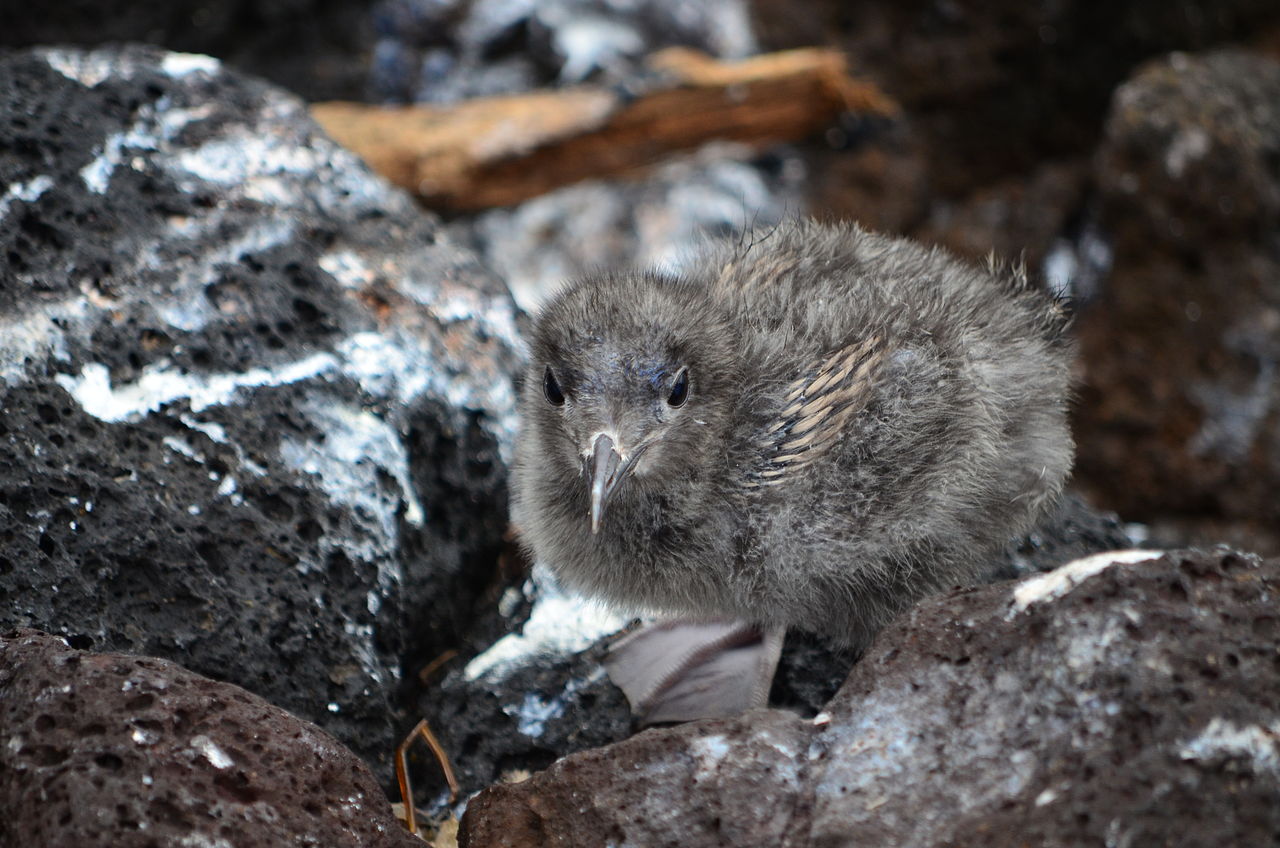
Lava gull nestling
Temperament
solitary and territorial
Flight Pattern
strong flier with steady wingbeats; low coastal cruising and occasional soaring glides
Social Behavior
Unlike many gulls, lava gulls nest singly and maintain well-defended territories along shorelines and mangroves. Nests are shallow scrapes among lava rocks or vegetation, typically with two eggs. Both parents incubate and care for the chicks. Courtship includes mutual calling and ground displays.
Migratory Pattern
Resident
Song Description
Calls are harsh, nasal, and laugh-like, reminiscent of the Laughing Gull but lower and rougher. During breeding, they give loud cackles, wails, and scolds, often accompanied by open-mouth displays that show the red gape.
Plumage
Overall sooty dark grey-brown with a blackish hood; slightly paler underparts and wing coverts; black primaries with a narrow pale edge. Distinct white crescents above and below the eye contrast with the dark face. Non-breeding birds show a more mottled head.
Diet
An opportunistic scavenger and predator, feeding on fish scraps, small fish, crabs, and other invertebrates. It also takes carrion, offal at docks, and occasionally eggs or chicks of other seabirds and turtle hatchlings. Kleptoparasitism is common near fishing boats and sea lion rookeries where it steals or scavenges food. Insects are taken along shorelines and mangroves.
Preferred Environment
Forages along beaches, rocky shores, tidal edges, and around harbors and fish markets. Frequently patrols sea lion colonies for scraps and follows small boats nearshore. Mangrove-lined lagoons and sheltered bays are key feeding areas.