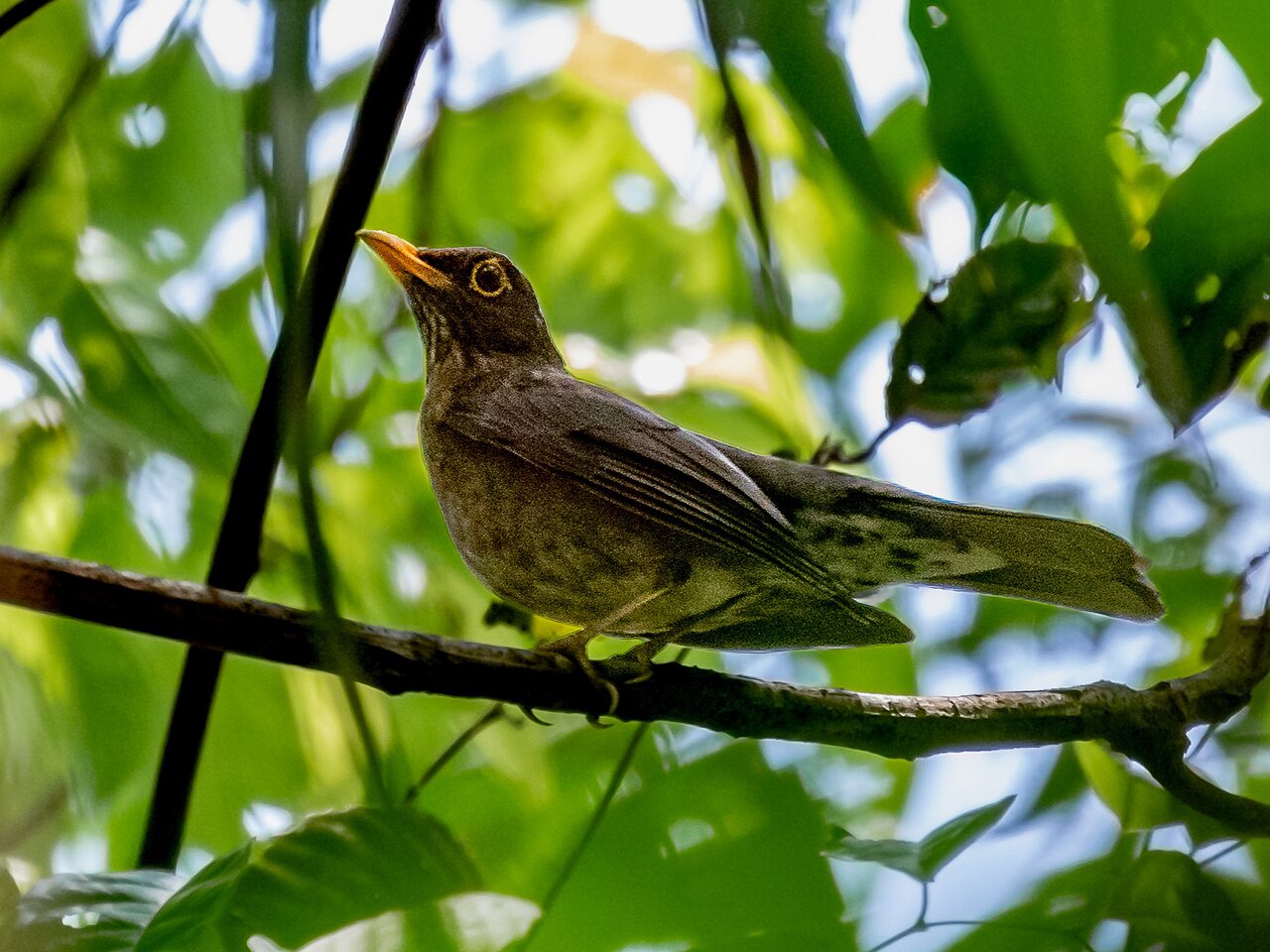
The lavender waxbill is a common species of estrildid finch native to Central Africa and successfully introduced on Hawaiʻi. It has an estimated global extent of occurrence of 620,000 km2 (240,000 sq mi).
Region
Central Africa and Hawaiʻi
Typical Environment
In its native range it occupies open savannas, grasslands with scattered shrubs, and lightly wooded edges, often near watercourses. It adapts well to human-modified mosaics such as fallow fields and roadside grasslands. In Hawaiʻi it frequents dry scrub, kiawe thickets, parks, and gardens where ornamental grasses provide seed. The species typically forages close to cover and uses dense shrubs for roosting and nesting.
Altitude Range
0–1800 m
Climate Zone
Tropical
Ease of Keeping
Beginner friendly: 3/5
The lavender waxbill is a small estrildid finch with a subtle lavender-grey wash and a striking crimson rump and tail. It is native to Central Africa and has been successfully introduced to Hawaiʻi, where it has established local populations. Pairs build neat, ball-shaped nests of grass in dense shrubs, and both parents share incubation and chick-rearing.

Temperament
social and active but somewhat shy near cover
Flight Pattern
short rapid wingbeats with low, undulating flight
Social Behavior
Usually seen in pairs or small flocks, forming larger loose groups outside the breeding season. Pairs are monogamous and build ball-shaped grass nests low in dense shrubs or tall grasses. Both sexes incubate and feed the young.
Migratory Pattern
Resident
Song Description
A soft, high-pitched series of thin trills and sibilant seee notes, often delivered from within cover. Contact calls are quiet twitters exchanged while foraging. The male’s song is a gentle, repetitive warble.
Plumage
Soft grey to lavender-grey body with darker wings and a vivid crimson rump and tail; subtle warm tones on the flanks. A dark eye-line or mask contrasts with the pale face, and the bill is waxy red and conical.
Diet
Primarily feeds on small grass and herb seeds, plucked from seed heads or gathered from the ground. It supplements with small insects and other invertebrates, especially during the breeding season. Grit may be ingested to aid digestion.
Preferred Environment
Forages in rank grasses, weedy patches, and along edges of scrub and farmland. In Hawaiʻi it utilizes ornamental grasses and dry scrub habitats near human settlements.