The jungle owlet or barred jungle owlet is native to the Indian Subcontinent. The species is often found singly, in pairs or small groups, and they are usually detected by their calls at dawn and dusk. There are two subspecies, with that found in the Western Ghats sometimes considered a full species.
Region
Indian Subcontinent
Typical Environment
Occurs widely across India into Nepal and Bangladesh, especially in lowlands and foothills. It favors dry and moist deciduous forests, open woodland, scrub, and forest edge. The species adapts well to human-modified habitats such as plantations, groves, and wooded farmlands. It roosts and nests in tree cavities, including old woodpecker holes, and often hunts along edges and clearings.
Altitude Range
Sea level to 1500 m
Climate Zone
Tropical
Ease of Keeping
Beginner friendly: 1/5
Also called the barred jungle owlet, it is a small, stocky owl native to the Indian Subcontinent. It is most often detected by its far-carrying, accelerating series of whistles at dawn and dusk. It nests in tree cavities and includes two subspecies, with the Western Ghats form sometimes treated as a separate species (Malabar jungle owlet) by some authorities.

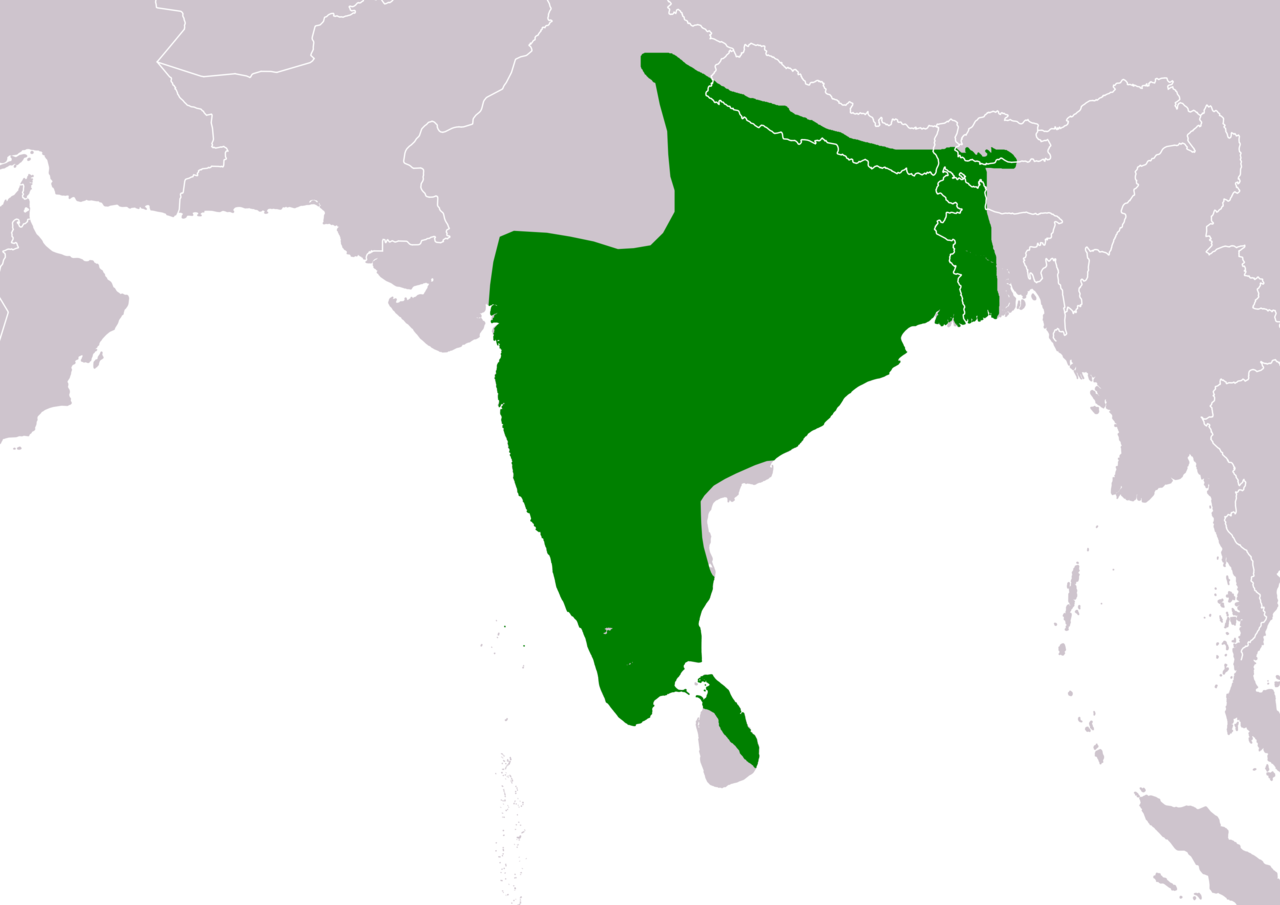

G. r. malabaricum Mangaon, Raigad, Maharashtra, India


Temperament
solitary and territorial
Flight Pattern
low, silent flight with short rapid wingbeats
Social Behavior
Usually encountered singly, in pairs, or small family groups. Roosts by day in dense foliage or cavities and nests in tree holes, often reusing old woodpecker nests. Pairs defend territories and communicate with persistent duets during the breeding period.
Migratory Pattern
Resident
Song Description
A series of clear, whistled notes that accelerate and often rise slightly, commonly delivered at dawn and dusk. Calls carry far through woodland and are the best clue to its presence.
Plumage
Compact, finely barred above and below with narrow whitish bars over brown ground color; tail distinctly banded. No ear tufts; facial disk plain. Underparts densely barred, giving a ‘barred’ appearance overall.
Diet
Feeds mainly on large insects such as beetles, grasshoppers, crickets, and moths. It also takes small vertebrates including lizards, small rodents, and occasionally small birds. Hunting is typically from a perch with short sallies to the ground or nearby foliage, and it may glean prey from branches.
Preferred Environment
Forages along forest edges, clearings, wooded farmland, and plantations where prey is abundant. Often hunts from low to mid-level perches with good visibility near cover.