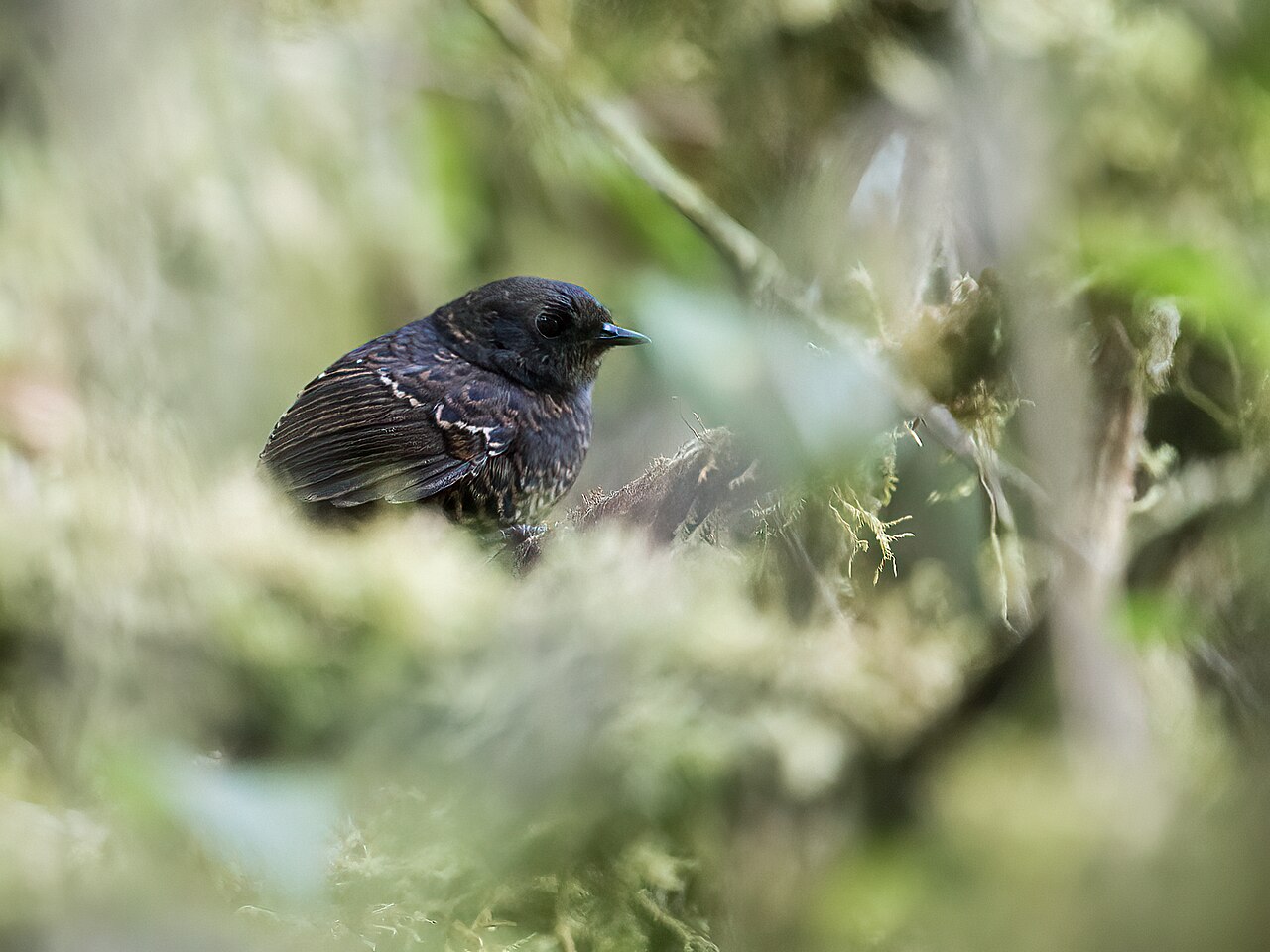
The Junin grebe, also known as Junin flightless grebe or puna grebe, is a species of grebe endemic to Lake Junin in the Andean highlands of Junin in west-central Peru. An endangered species, the current population is estimated at 300–400 individuals, including 140–320 adults.
Region
Andes Mountains
Typical Environment
This species is confined to Lake Junín, a large, shallow high-Andean lake with extensive belts of totora reeds and adjacent open water. It favors the interface of reed beds and open water, where it can dive and forage while remaining concealed. Clear water and healthy submerged vegetation support its prey base of native fishes and aquatic invertebrates. It avoids heavily disturbed shorelines and areas with intensive boat traffic or gill-netting.
Altitude Range
4,000–4,150 m
Climate Zone
Highland
Ease of Keeping
Beginner friendly: 1/5
The Junin grebe is a flightless grebe restricted entirely to Lake Junín in Peru’s central Andes. It dives expertly, chasing small fish and aquatic invertebrates through the cold, high-altitude waters. Major threats include water-level fluctuations, pollution, gill nets, and habitat loss in reed beds. Conservation programs focus on water management, reducing bycatch, and protecting reed marshes.


Temperament
shy and wary
Flight Pattern
flightless; agile diver that runs along the surface before diving
Social Behavior
Typically seen in pairs or small groups, often keeping close to reed margins. Builds floating nests anchored to totora stems; both parents share incubation and chick rearing. Chicks may ride on the parents’ backs soon after hatching. Pair bonds form in the breeding season and may persist across years.
Migratory Pattern
Resident
Song Description
Vocalizations include sharp, chattering calls and harsh trills, especially during pair interactions. Duets and contact calls carry over the reeds in calm conditions. Overall, it is quieter than some other grebes outside the breeding season.
Plumage
Dark, sooty-brown to blackish upperparts with clean white throat and underparts, and contrasting darker crown and nape. Sides may show warmer brown tones, with a subtle rufous wash on the neck in some individuals. Feathers are dense and sleek for efficient diving, with notably short wings reflecting its flightless condition.
Diet
Feeds mainly on small native fishes (notably Orestias spp.), along with aquatic insect larvae, amphipods, and other invertebrates. It hunts by pursuit diving, using strong legs to chase prey underwater. Prey is swallowed at the surface or while still submerged. Seasonal and water-clarity changes can shift the balance between fish and invertebrate prey.
Preferred Environment
Forages along reed edges and over submerged vegetation where prey is concentrated. Uses cover of totora stands to ambush or approach prey and to avoid disturbance. Avoids turbid or polluted areas where visibility and prey diversity are reduced.