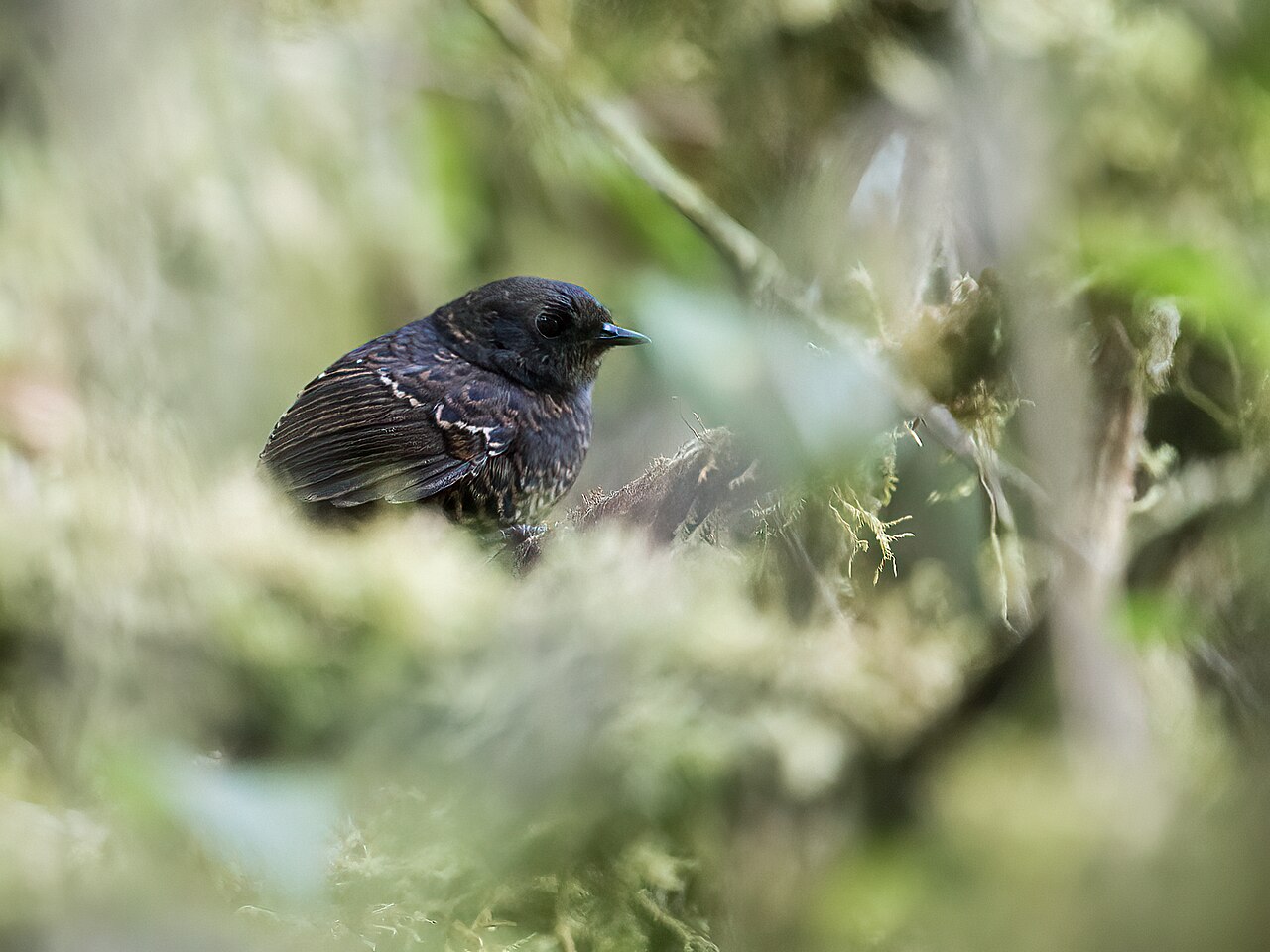
The jungle prinia is a small passerine bird, a warbler in the family Cisticolidae.
Region
Indian subcontinent
Typical Environment
Occurs widely across the Indian subcontinent, including much of India, Pakistan, Nepal, Bangladesh, and Sri Lanka where suitable scrubby habitats exist. Favors dry thorn scrub, rank grasslands, fallow fields, hedgerows, and open woodland edges. Often uses agricultural margins and village outskirts with scattered bushes. It avoids dense closed-canopy forest and very wet marshes. Local densities can be high where tall grass and low shrubs intermingle.
Altitude Range
Sea level to 1500 m
Climate Zone
Tropical
Ease of Keeping
Beginner friendly: 2/5
The jungle prinia is a small, active warbler of scrub and grassland that often cocks and flicks its long tail. It gives a fast, accelerating series of notes from exposed perches during the breeding season. Pairs are territorial and build neat, low cup nests hidden in dense grass or shrubs. It is commonly seen around villages and fields where suitable cover persists.


In Hyderabad, India
Temperament
active and skulking
Flight Pattern
short rapid wingbeats, low undulating flights
Social Behavior
Usually seen in pairs or small family groups, moving through tall grass and thorny shrubs. Territories are defended during the breeding season, with both sexes contributing to nest building and care. The cup-shaped nest is placed low in dense cover and lined neatly. Breeding is often timed with the rains when insects are abundant.
Migratory Pattern
Resident
Song Description
A loud, repetitive series that often accelerates into a rapid 'chee-chee-chee' or metallic ticking phrases from an exposed perch. Calls include sharp chips and trills used for contact and alarm. Males frequently sing while making short display flights over their territory.
Plumage
Upperparts warm brown to olive-brown with a plain, slightly darker tail that is long and graduated; underparts buffy to off-white. In fresh plumage the tail often shows a dark subterminal band with paler tips. Plumage is rather uniform with minimal streaking, giving a clean, warm-toned look.
Diet
Feeds mainly on small insects and other arthropods, including beetles, grasshoppers, caterpillars, and spiders. It gleans prey from stems, leaves, and seed heads, and occasionally snatches items in short sallies. Foraging is methodical but brisk, often with tail flicks and brief perch changes.
Preferred Environment
Typically forages in tall grasses, weedy patches, and thorn scrub, especially at field margins and along paths or hedgerows. It also uses the lower strata of open woodland edges and village gardens with dense undergrowth.