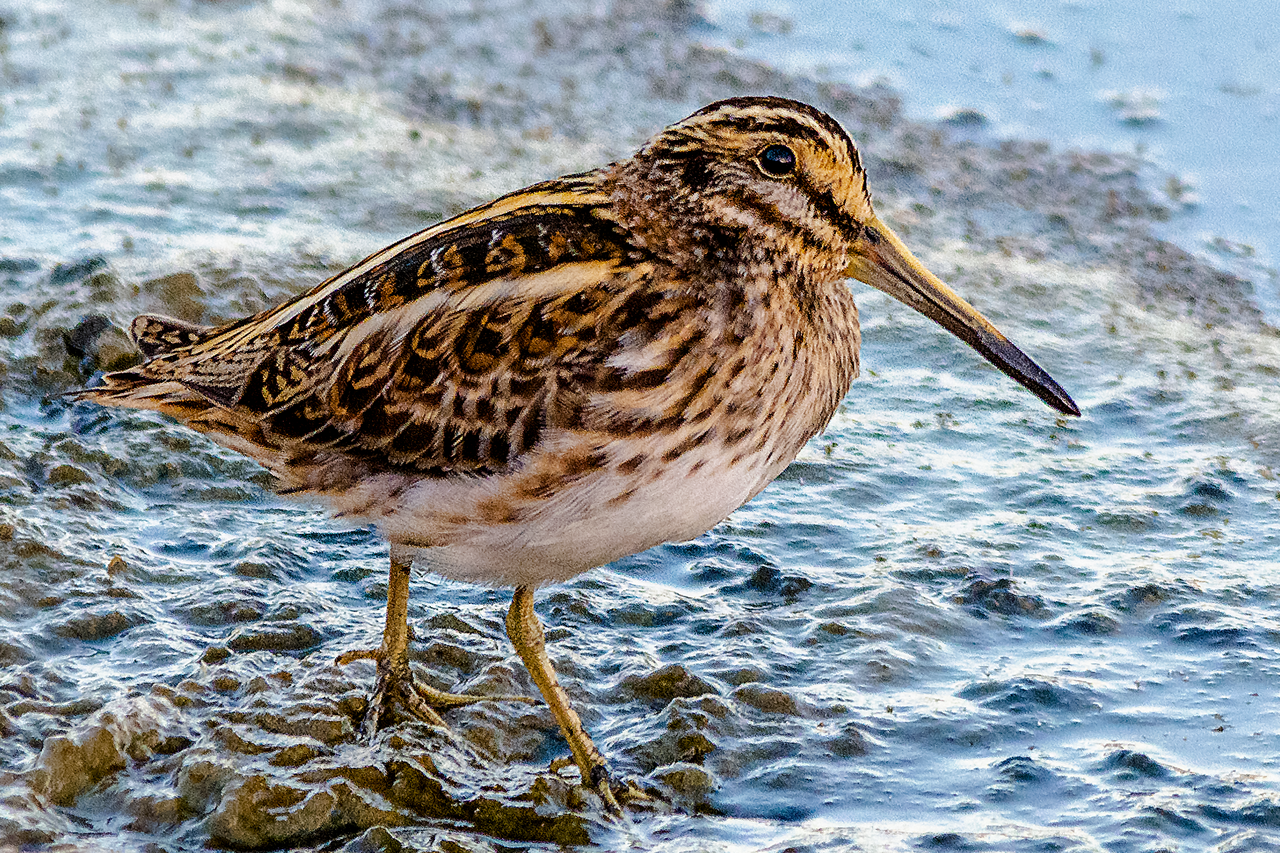
The Izu robin is a small passerine bird in the Old World flycatcher family Muscicapidae that is endemic to the Izu Islands of Japan.
Region
Izu Islands
Typical Environment
Occurs on several volcanic islands south of Honshu where it inhabits mature evergreen and mixed broadleaf forests with dense understory. It is most often found in shaded ravines, forest edges, and bamboo or shrub thickets. The species keeps close to the forest floor, using fallen logs and low perches. Outside the breeding season it remains in similar cover, shifting locally as resources change.
Altitude Range
Sea level to 800 m
Climate Zone
Subtropical
Ease of Keeping
Beginner friendly: 1/5
The Izu robin is a recently recognized species split from the Japanese robin complex and is confined to the Izu Islands of Japan. It favors dense, mature forests and often stays close to the ground, where it forages quietly in leaf litter. Males deliver a rich, fluting song from shaded perches, especially at dawn. Being island-restricted, its numbers can be influenced by habitat changes and volcanic activity on the islands.
Temperament
shy and skulking
Flight Pattern
short rapid wingbeats, low to the ground
Social Behavior
Generally solitary and territorial during the breeding season, with males singing from low to mid-level perches. Nests are cup-shaped and placed on or near the ground in dense cover. Pairs defend small territories and raise one or two broods.
Migratory Pattern
Resident
Song Description
A clear, fluting series of melodious whistles with varied phrases, often delivered at dawn. Calls include soft ticks and thin, high contact notes from within cover.
Plumage
Compact robin with rich orange face and breast, olive-brown to gray-brown upperparts, and whitish belly; females and immatures are duller and more brown-toned.
Diet
Primarily takes insects and other small invertebrates gleaned from leaf litter and low vegetation. It also consumes spiders and small beetles, and may occasionally take berries when available. Foraging is deliberate, with frequent pauses and short hops.
Preferred Environment
Feeds on the forest floor, among damp leaf litter, mossy logs, and dense understory. Often uses shaded ravines and thickets where prey is abundant and cover is good.