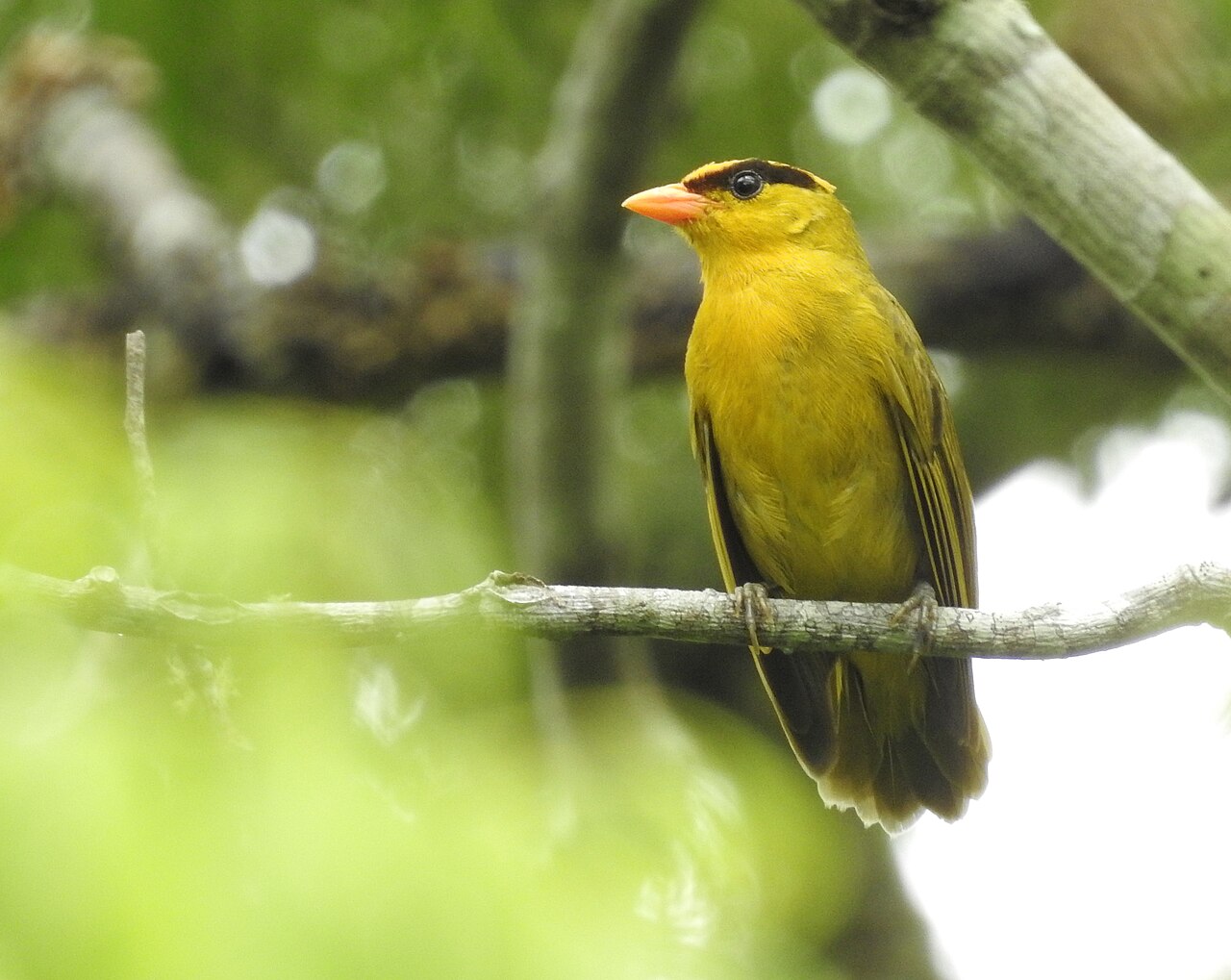
The Indochinese green magpie, also known as the yellow-breasted magpie, is a small colourful bird native to the forests of China and Vietnam.
Region
Mainland Southeast Asia
Typical Environment
Occurs in evergreen and semi-evergreen forests from southern China through Vietnam, Laos, and adjacent parts of Indochina. Favors dense understory, bamboo thickets, and forest edges, often near streams or ravines. It uses mid-story tangles and lower canopy for foraging and nesting. Secondary growth and degraded forest with sufficient cover may also be used, though it is most common in mature forest.
Altitude Range
200–1800 m
Climate Zone
Tropical
Ease of Keeping
Beginner friendly: 2/5
Also called the yellow-breasted magpie, this striking corvid keeps to dense forest where it is often heard before seen. Its vivid green plumage can turn bluish in captivity if carotenoids are lacking in the diet. It is a skilled predator of small animals but also takes fruit, showing the flexible feeding typical of magpies.


Normal plumage with yellow underbelly

Indochinese green magpie
Temperament
wary and secretive
Flight Pattern
short rapid wingbeats with swift dashes between cover
Social Behavior
Usually seen in pairs or small family groups, keeping to dense vegetation. Pairs are likely monogamous and defend small territories. The nest is a cup of twigs and rootlets placed in shrubs or bamboo, and both parents share feeding duties.
Migratory Pattern
Resident
Song Description
Vocalizations include harsh chattering, rattles, and scolding calls typical of magpies, interspersed with whistles. It can be surprisingly varied and sometimes mimics other forest sounds.
Plumage
Bright green overall with a yellowish tinge on the breast, contrasting with rufous-chestnut primaries and secondaries; plumage appears bluer when carotenoid pigments fade. Dense, sleek feathering with a short, rounded tail appearance.
Diet
Takes a wide range of insects and their larvae, spiders, and other invertebrates. Also hunts small vertebrates such as lizards, frogs, and occasionally nestlings or eggs. Supplements with fruits and berries, especially when animal prey is scarce.
Preferred Environment
Forages in dense undergrowth, bamboo, and lower to mid-canopy layers, often near forest edges and along streams. Picks prey from foliage and branches, gleans from leaf litter, and makes short sallies to the ground.