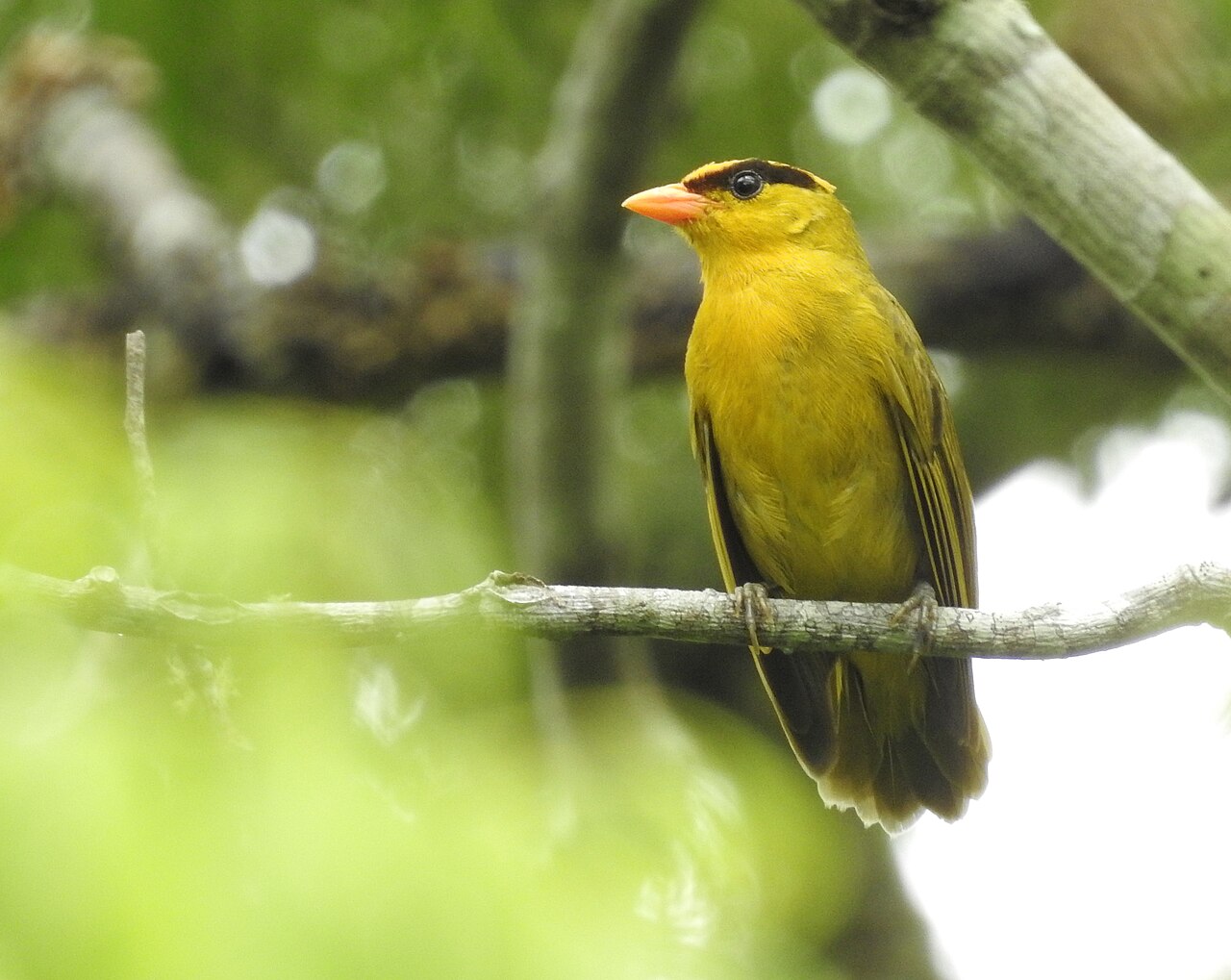
The Indonesian serin is a species of finch in the family Fringillidae.
Region
Sunda Islands (Indonesia)
Typical Environment
This species occupies upper montane forests, forest edges, and subalpine scrub on Indonesian islands, especially around the tree line. It frequents open patches with shrubs, grass tussocks, and scattered trees such as Casuarina. Birds often feed along trails, clearings, and on weedy slopes, moving between patches of seed-bearing plants. Outside the breeding season it can descend slightly to adjacent high-elevation secondary growth.
Altitude Range
1000–3500 m
Climate Zone
Highland
Ease of Keeping
Beginner friendly: 2/5
The Indonesian serin is a small finch of high montane habitats, often seen in lively, fast-moving flocks. It has historically been placed in Serinus but is now commonly treated in Chrysocorythus. Its bright, tinkling song carries over mossy forest edges and subalpine scrub. It is generally overlooked due to its remote, high-elevation range.


Indonesian serin, Chrysocorythus estherae.
Temperament
social and active
Flight Pattern
short rapid wingbeats with undulating finch-like flight
Social Behavior
Often seen in small, loose flocks outside the breeding season, moving quickly between seed sources. Pairs nest in dense montane shrubs or small trees, building a neat cup. Both parents are believed to feed the young, and family groups may linger together after fledging.
Migratory Pattern
Resident
Song Description
A bright, thin, tinkling series of trills and twitters, reminiscent of siskins. Calls are high-pitched chips and rapid twittering contact notes used to keep flocks together.
Plumage
Compact finch with olive-green to yellow-olive upperparts and lightly streaked pale underparts. Wings are dark with yellow edging and a faint wing panel; tail is slightly notched. Face shows a yellowish wash with a subtle pale supercilium.
Diet
Primarily takes small seeds from grasses, herbs, and composite plants. It also nips buds and soft plant material when available. During breeding it supplements with small arthropods for added protein.
Preferred Environment
Feeds in open montane edges, subalpine scrub, grassy slopes, and weedy clearings near forest. Often forages in low shrubs and on the ground, and occasionally in seed-laden flower heads.