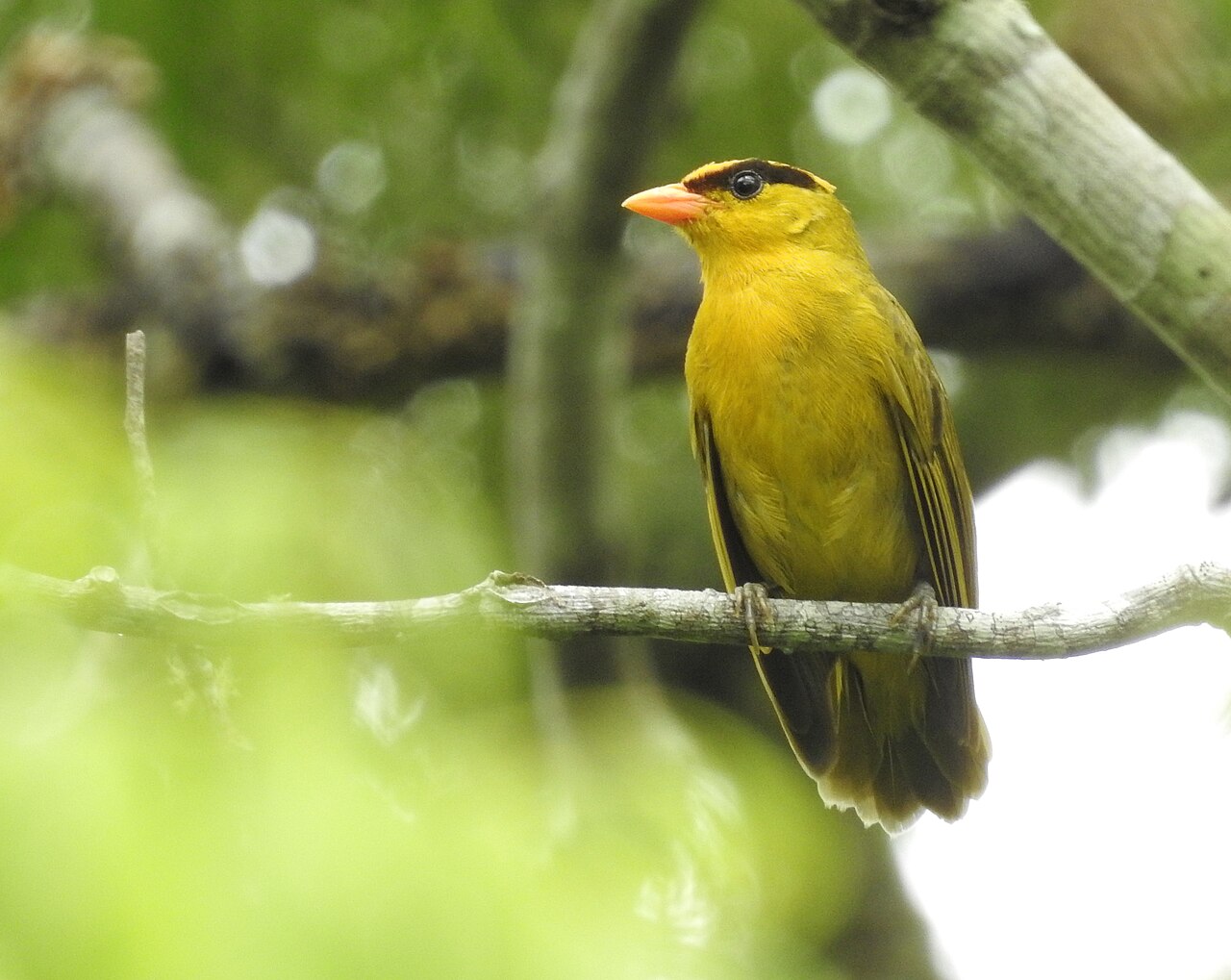
The Indochinese yuhina or chestnut-collared yuhina is a bird in the family Zosteropidae. The species was first described by Robert Swinhoe in 1870.
Region
Mainland Southeast Asia
Typical Environment
Occurs in the hill and montane evergreen forests of Vietnam, Laos, Cambodia, and adjacent Thailand, with extension into southern China (e.g., Yunnan and Guangxi). It favors forest edges, secondary growth, and bamboo thickets, often using the mid to upper canopy. The species adapts to lightly disturbed habitats but remains most abundant in mature montane forest. It frequently associates with mixed insectivorous flocks while foraging along ridges and slopes.
Altitude Range
600–2500 m
Climate Zone
Highland
Ease of Keeping
Beginner friendly: 2/5
Also called the chestnut-collared yuhina, this small canopy-dweller often joins mixed-species flocks in montane forests. It shows a neat chestnut collar and a tiny crest, features that make it fairly distinctive among yuhinas. Formerly placed in Yuhina, it is now commonly treated in the genus Staphida within the white-eye family Zosteropidae. It was first described by Robert Swinhoe in 1870.

Temperament
social and active
Flight Pattern
short rapid wingbeats
Social Behavior
Usually found in small parties and commonly joins mixed-species flocks, moving briskly through foliage. Nests are typically cup-shaped and placed in dense shrubs or bamboo; both parents participate in care. Breeding often coincides with the wet season when insect prey is abundant.
Migratory Pattern
Resident
Song Description
A series of thin, high-pitched whistles and sweet, ringing notes interspersed with chatter. Calls include sharp tsee-tsee contact notes used to keep flocks together.
Plumage
Compact, slightly crested yuhina with grey-brown upperparts, a contrasting chestnut collar across the sides of the neck, and paler underparts with a whitish throat. The crown is grey to olive-tinged, and the wings and tail are brown with subtle edging.
Diet
Takes small arthropods such as caterpillars, beetles, and spiders by gleaning from leaves and twigs. Also consumes soft fruits and berries, and occasionally sips nectar from blossoms. The mixed diet shifts with seasonal availability, emphasizing insects during breeding.
Preferred Environment
Forages in the mid to upper canopy of montane evergreen forest, forest edges, and bamboo stands. It often works along vine tangles and flowering shrubs, sometimes hovering briefly to pick prey or nectar.