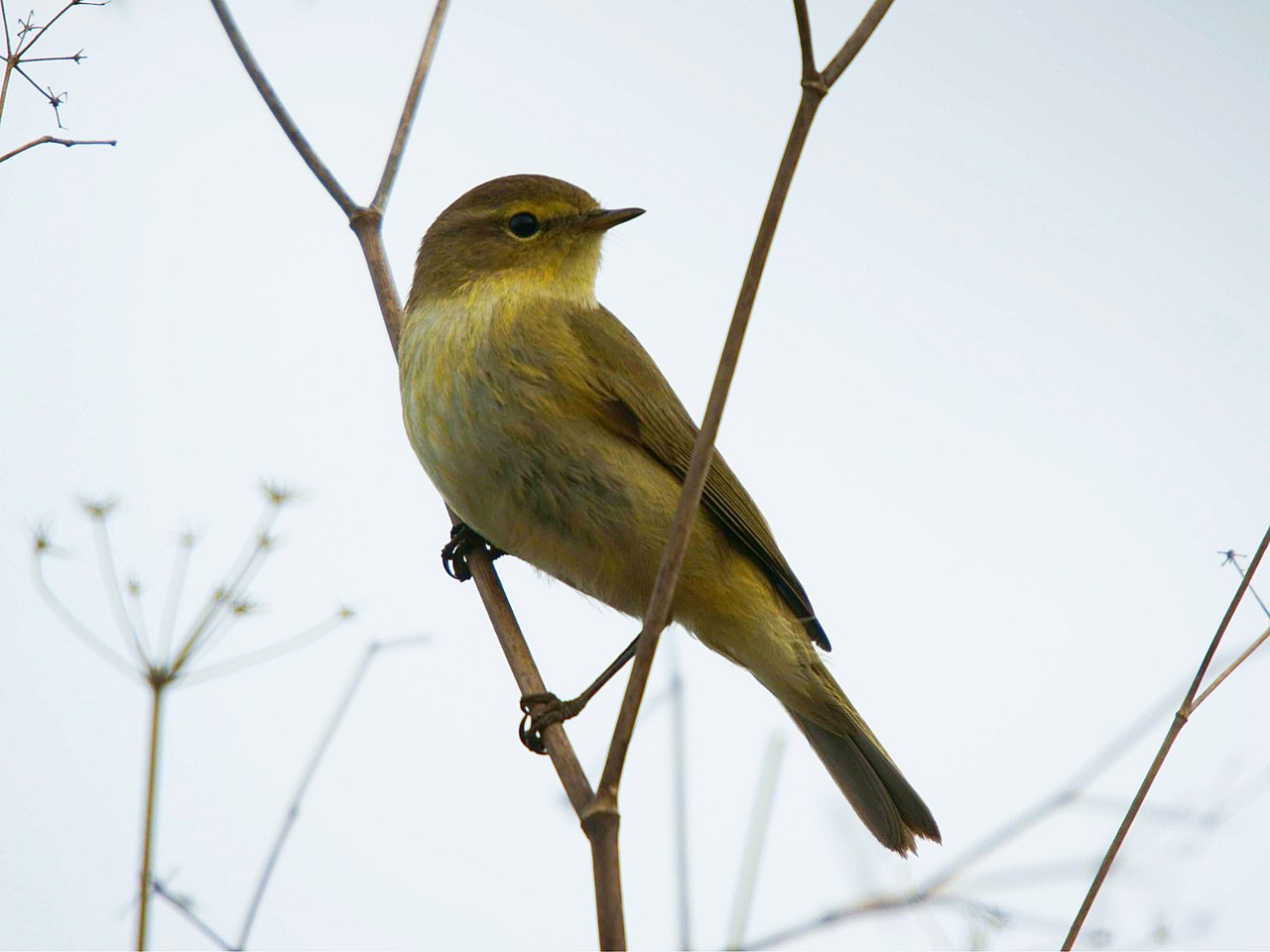
The Ibadan malimbe is a rare species of bird in the family Ploceidae.
Region
West Africa
Typical Environment
The species is confined to fragmented lowland forest and farm-bush around southwestern Nigeria, particularly near Ibadan and nearby forest patches. It uses secondary forest, riparian strips, and shade-grown cocoa where taller native trees remain. Birds forage mainly in the mid to upper canopy, moving through vine tangles and foliage. It tolerates some disturbance but disappears when large trees are removed. Nests are typically placed in the canopy over clearings or along forest edges.
Altitude Range
0–600 m
Climate Zone
Tropical
Ease of Keeping
Beginner friendly: 1/5
The Ibadan malimbe is a scarce West African weaver endemic to southwestern Nigeria, where it favors remnant forest and shaded cocoa plantations. It weaves intricate, hanging nests from strips of vegetation high in the canopy. Ongoing deforestation and agricultural intensification have caused significant declines. It can join mixed-species flocks and is often detected by its sharp calls rather than by sight.

Temperament
social and active
Flight Pattern
short rapid wingbeats between perches
Social Behavior
Often forages in pairs or small groups and sometimes joins mixed-species flocks in the canopy. It is likely monogamous, with both sexes involved in nest placement and territory defense. Nests are suspended, woven structures attached to hanging fronds or slender branches, usually high above ground.
Migratory Pattern
Resident
Song Description
Calls are sharp, metallic chips and thin whistles, often given in short series. Song is a simple sequence of high-pitched notes interspersed with soft chatter, carrying well through the canopy.
Plumage
Mostly glossy black with bright red on the head and throat; feathers are sleek with minimal mottling.
Diet
Primarily consumes insects and other arthropods gleaned from leaves, bark, and vine tangles. It probes curled leaves and crevices and occasionally hawks small flying insects. Small amounts of fruit or nectar may be taken opportunistically, especially in disturbed habitats.
Preferred Environment
Feeds in the mid to upper canopy of secondary forest, forest edges, and shaded cocoa plantations. Frequently works along vine-covered trunks, lianas, and terminal foliage, often moving methodically through a foraging route.