
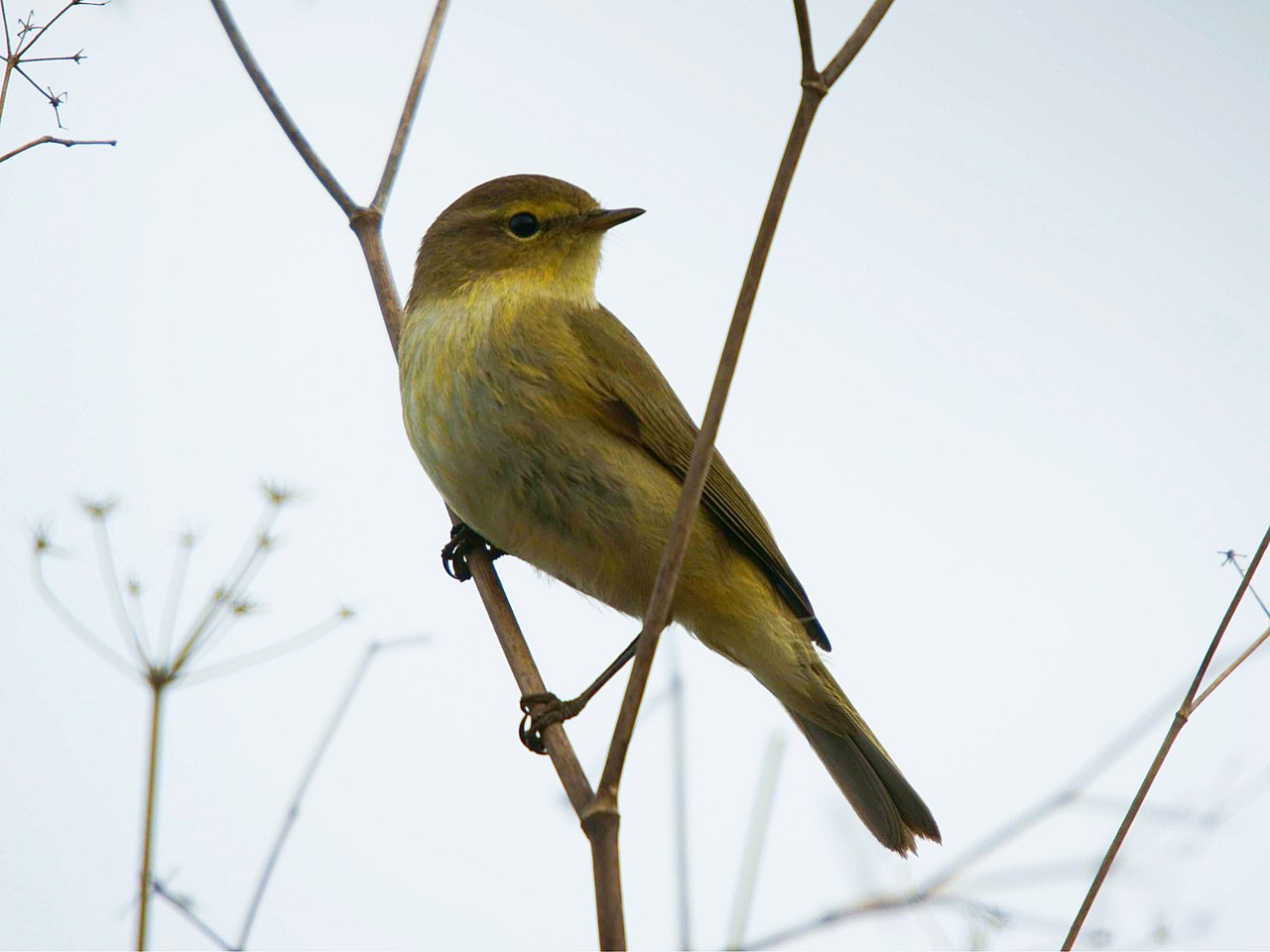
The Iberian chiffchaff is a species of passerine belonging to the family Phylloscopidae, the leaf warblers. This species is found as a breeding bird in the Southwestern Europe and northwestern Africa. It winters in Western Africa south of the Sahara Desert.
Region
Southwestern Europe and Northwest Africa
Typical Environment
Breeds across the Iberian Peninsula and locally in northern Morocco, favoring Mediterranean woodlands, scrub, and riparian groves. It uses cork oak and holm oak forests, mixed open woodland, hedgerows, orchards, and pine edges with a well-developed understory. During migration it occupies a wide range of shrubby and wooded habitats. In winter it occurs in West Africa south of the Sahara, often in savanna woodland and gallery forest. It is tolerant of semi-open landscapes and edges where it can forage among leaves.
Altitude Range
Sea level to 1800 m
Climate Zone
Temperate
Ease of Keeping
Beginner friendly: 1/5
The Iberian chiffchaff was split from the Common chiffchaff based on distinct song and genetic differences. Its song is more musical and varied, a key field mark in spring. It tends to show brighter yellow tones and paler legs than Common chiffchaff. Hybridization can occur in narrow contact zones, making song and call particularly important for identification.


Iberian chiffchaff in Setúbal, Portugal
Temperament
active and restless
Flight Pattern
short rapid wingbeats with frequent darting between perches
Social Behavior
Breeds in solitary pairs with well-defended territories. The nest is a domed structure placed low in dense vegetation or on the ground, built mostly by the female. Clutches typically contain several small speckled eggs, and both parents feed the young. Outside the breeding season it may join mixed-species flocks while foraging.
Migratory Pattern
Seasonal migrant
Song Description
A lively, melodic series of varied, lilting phrases with rising and falling sequences, often including trills and flourishes. Much more fluid and musical than the repetitive 'chiff-chaff' of the Common chiffchaff. Calls include a softer, more downslurred 'huit' note.
Plumage
Fresh green-olive upperparts with a brighter yellow wash on the face, throat, and breast; whitish belly with faint yellow tones; fine, neat feathering with subtle wing panel.
Diet
Primarily small insects and other arthropods such as flies, caterpillars, aphids, and spiders. It gleans prey from leaves and twigs and occasionally makes short sallies to catch flying insects. During migration and in winter it may take small berries or nectar opportunistically, but animal prey dominates.
Preferred Environment
Feeds in foliage of shrubs and small trees, especially along woodland edges, riparian corridors, and scrubby clearings. In winter it forages in savanna woodland and gallery forest, often at mid-levels. It favors structurally diverse habitats with abundant leaf surfaces for gleaning.


