

The Iberian grey shrike is a member of the shrike family. It is closely related to the great grey shrike, Lanius excubitor, and its plumage is generally similar to the great grey shrike apart from the differences noted below. The Iberian was previously considered conspecific with the great grey; where they co-occur, they do not interbreed and are separated by choice of habitat.
Region
Southwestern Europe
Typical Environment
Primarily confined to the Iberian Peninsula, with strongholds in open Mediterranean landscapes of Spain and Portugal and locally into adjacent southern France. It favors open farmland, dehesa, steppe-like grasslands, olive groves, and semi-arid scrub with scattered trees or bushes. The species relies on elevated perches such as fence posts, wires, and isolated shrubs for hunting. It avoids dense forest and continuous urban areas, selecting mosaic habitats that offer both lookout points and thorny cover for prey impalement.
Altitude Range
0–1500 m
Climate Zone
Temperate
Ease of Keeping
Beginner friendly: 1/5
Iberian grey shrikes are perch hunters that impale prey on thorns or barbed wire to create a 'larder', helping them tear food into manageable pieces. They were long treated as conspecific with the great grey shrike but differ in plumage tones and habitat preferences, and they do not interbreed where ranges meet. Populations in Iberia have declined due to agricultural intensification, loss of hedgerows, and shrub encroachment. They remain conspicuous in open country by their vigilant, upright stance and bold facial mask.

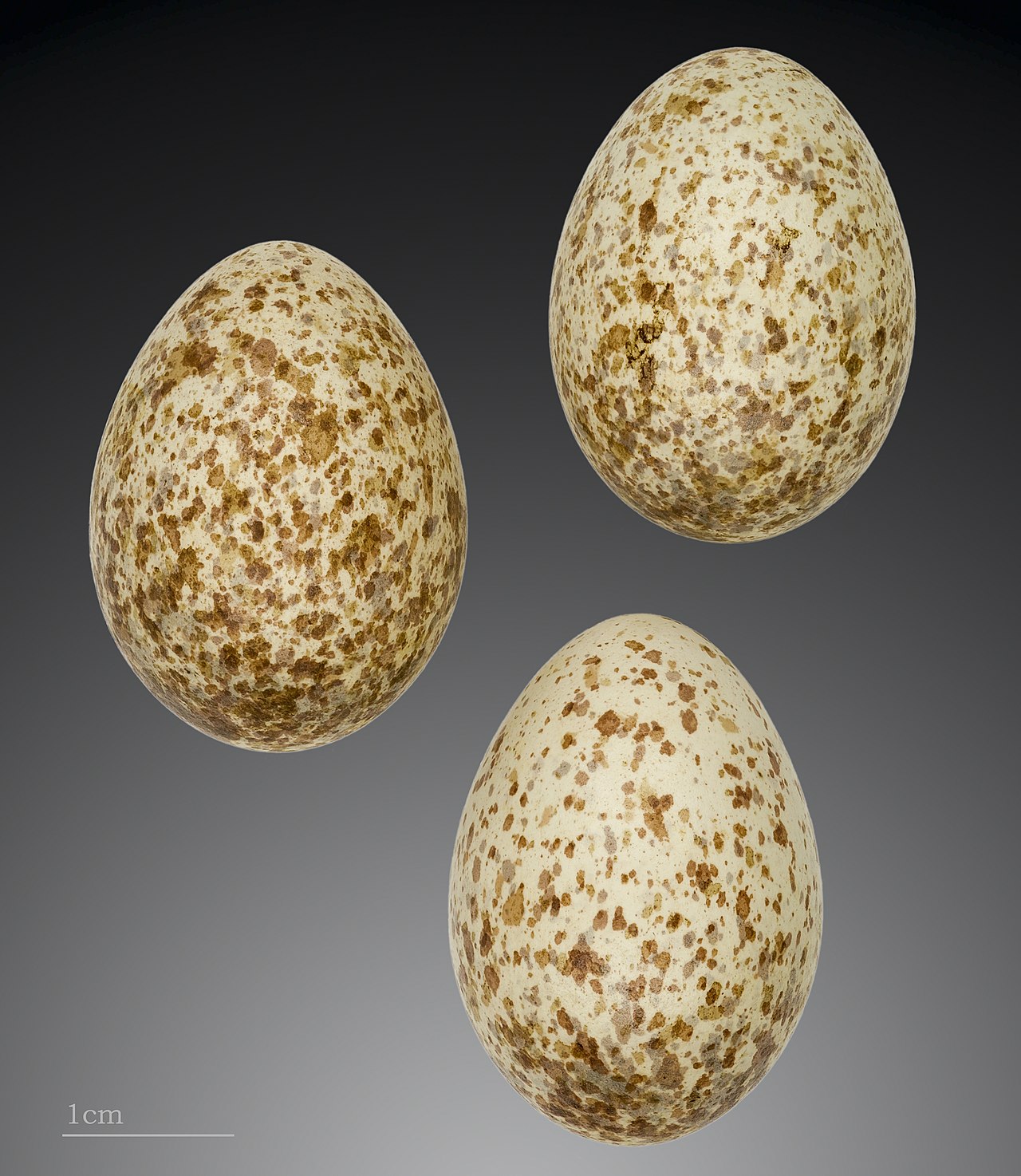
Eggs of Lanius meridionalis - MHNT
Temperament
solitary and territorial
Flight Pattern
short rapid wingbeats with brief glides
Social Behavior
Usually encountered alone or in territorial pairs, using high perches to scan for prey. Nests are placed in thorny shrubs or small trees; 4–6 eggs are typical. Both adults defend the territory vigorously and provision the young.
Migratory Pattern
Resident
Song Description
Vocalizations include harsh scolding calls, rattles, and chatters. The song can mix whistles and trills with occasional mimicry of other species, delivered from a prominent perch.
Plumage
Smooth grey upperparts with clean, pale underparts often showing a faint pinkish or buff wash; contrasting black wings with prominent white patches and a long black tail with white edges. The texture appears sleek with minimal streaking, giving a tidy, crisp look in good light.
Diet
Takes large insects such as beetles, orthopterans, and wasps, along with small lizards, rodents, and occasionally small birds. Prey is often impaled on thorns or barbed wire to store and to help dismember it. Hunts by sit-and-wait from exposed perches, dropping to the ground or making short sallies to capture prey.
Preferred Environment
Edges of open fields, dehesa and pasture with scattered trees, hedgerows, fallow land, and scrubby steppe. Frequently forages along fence lines, roadside posts, and telegraph wires that provide clear sightlines.


