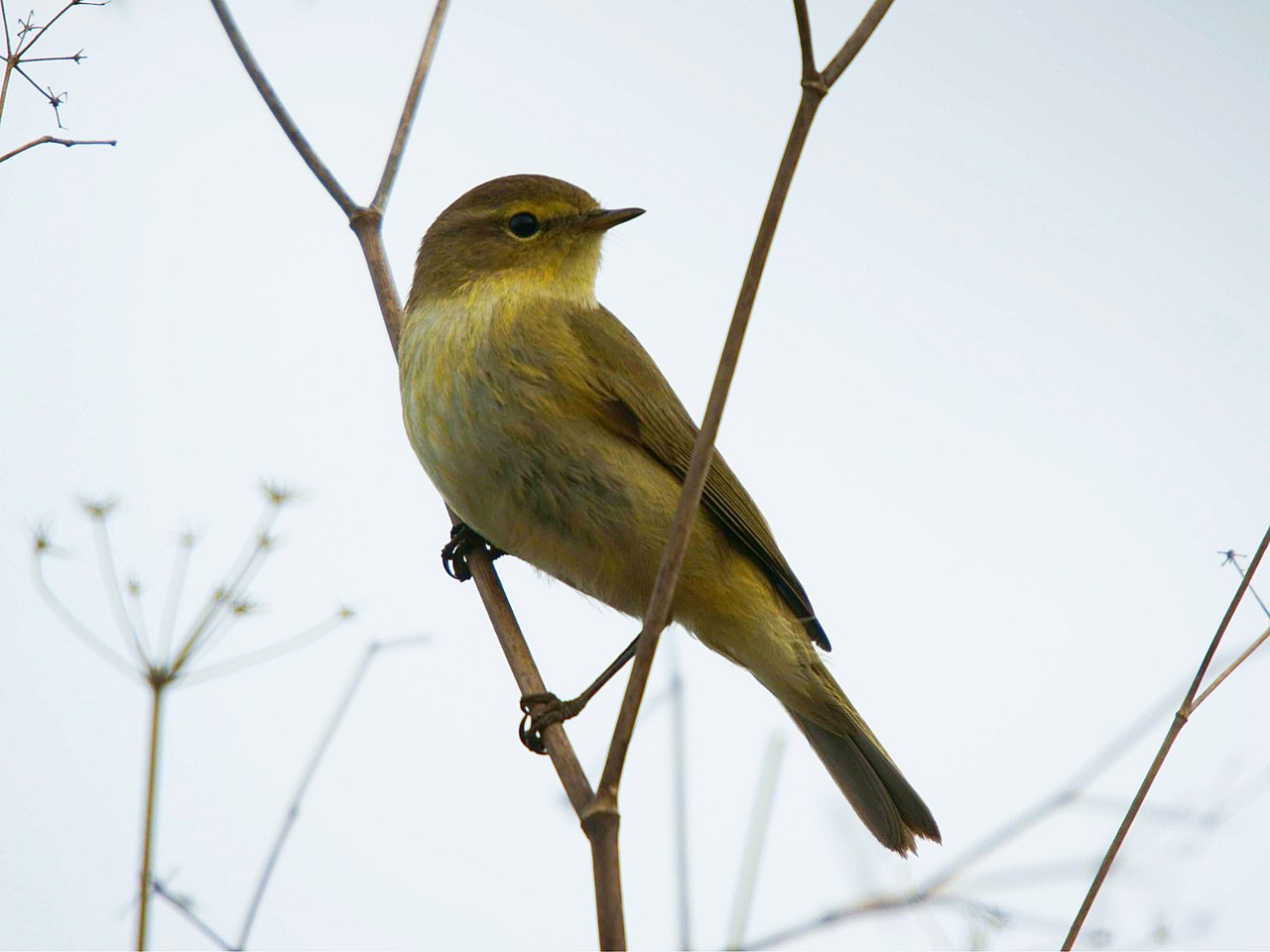
The Ibera seedeater is a species of bird in the family Thraupidae, formerly included within the family of American sparrows (Emberizidae).
Region
Northeastern Argentina (Iberá Wetlands)
Typical Environment
Occurs in seasonally flooded marshes and wet grasslands dominated by tall, seeding native grasses. Prefers the edges of swamps, marsh pools, and wet savannas where grass seed heads are abundant. Often uses lightly grazed or lightly burned patches that promote fresh grass growth and seeding. Avoids dense forest and dry uplands, staying close to open wetland vegetation.
Altitude Range
0–200 m
Climate Zone
Subtropical
Ease of Keeping
Beginner friendly: 1/5
The Iberá seedeater is a recently described capuchino seedeater from the Iberá Wetlands of northeastern Argentina. It was long overlooked among similar Sporophila species and was recognized based on distinctive plumage and song. Its tiny range and dependence on seeding wet grasses make it vulnerable to habitat alteration and trapping for the cage-bird trade. Conservation in the Esteros del Iberá is critical to its long-term survival.


Temperament
skulking and wary in tall grasses
Flight Pattern
short rapid wingbeats
Social Behavior
During the breeding season males sing from exposed grass stems or low shrubs and defend small territories. Nests are placed low in dense grasses, where the female incubates and both parents feed the young. Outside breeding, small loose groups may form where grasses are seeding.
Migratory Pattern
Partial migrant
Song Description
Song is a series of clear whistles and buzzy notes delivered at a measured pace, with distinctive phrases that help separate it from similar capuchinos. Calls include soft chip notes and sharper ticks given in flight.
Plumage
A small capuchino seedeater with strong contrast between head/upperparts and warm-toned underparts in the male; females are plain buff-brown with fine streaking and a paler belly. Both sexes show a short, thick seed-cracking bill and relatively uniform wings with a pale wing patch often evident in males.
Diet
Primarily consumes seeds of native wetland grasses, plucking them directly from ripening seed heads. Will also take fresh green seeds and occasionally small arthropods, especially during the breeding season for added protein. Foraging is typically low in the vegetation, often within dense grass clumps.
Preferred Environment
Feeds in seasonally flooded meadows, marsh edges, and wet savannas where tall grasses are abundant. Often selects patches recently burned or lightly grazed that produce prolific seeding.