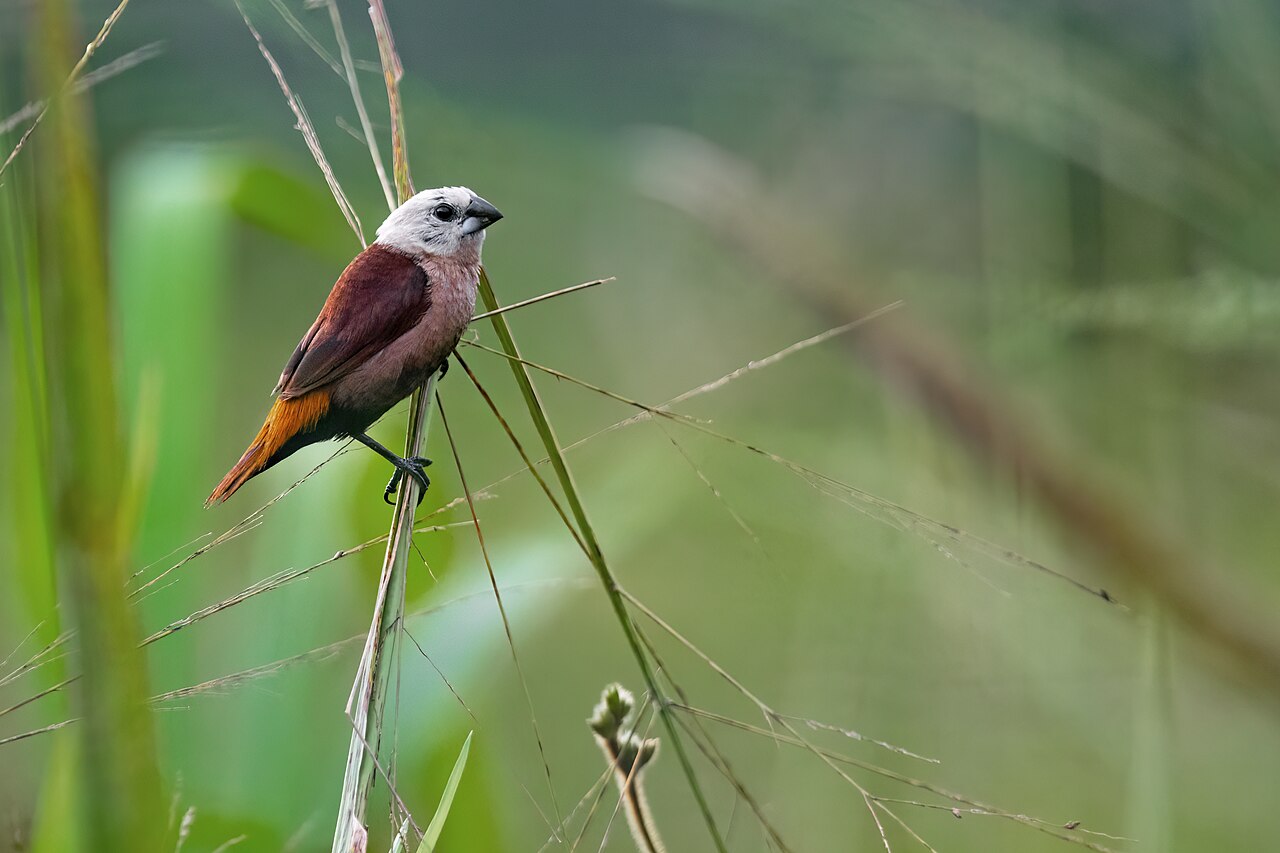
The grey-headed kingfisher is a species of bird in the kingfisher family, Alcedinidae. It is found across large parts of Africa and southern Arabia, from Mauritania through Senegal and the Gambia, east to Ethiopia, Somalia, Yemen, Oman and Saudi Arabia, and south all the way through to South Africa. It is also found in islands off the African coast such as the Cape Verde islands and Zanzibar.
Region
Sub-Saharan Africa and southern Arabian Peninsula
Typical Environment
Occurs from West Africa across the Sahel and savannas to East Africa and south to South Africa, and also in Yemen and Oman. Prefers open woodland, thorn scrub, forest edges, and cultivated areas, often near but not dependent on water. Avoids dense rainforest interiors and true desert. Frequently uses roadside wires and exposed branches as hunting perches. Found on several offshore islands including Cape Verde and Zanzibar.
Altitude Range
Sea level to 2200 m
Climate Zone
Tropical
Ease of Keeping
Beginner friendly: 1/5
Despite its name, this kingfisher rarely fishes; it hunts mostly terrestrial prey from exposed perches. It nests in tunnels excavated in sandy banks or road cuttings, with both sexes participating. Brilliant blue upperparts and a coral-red bill make it conspicuous even far from water.


Grey-headed kingfisher, in Akagera National Park, Rwanda
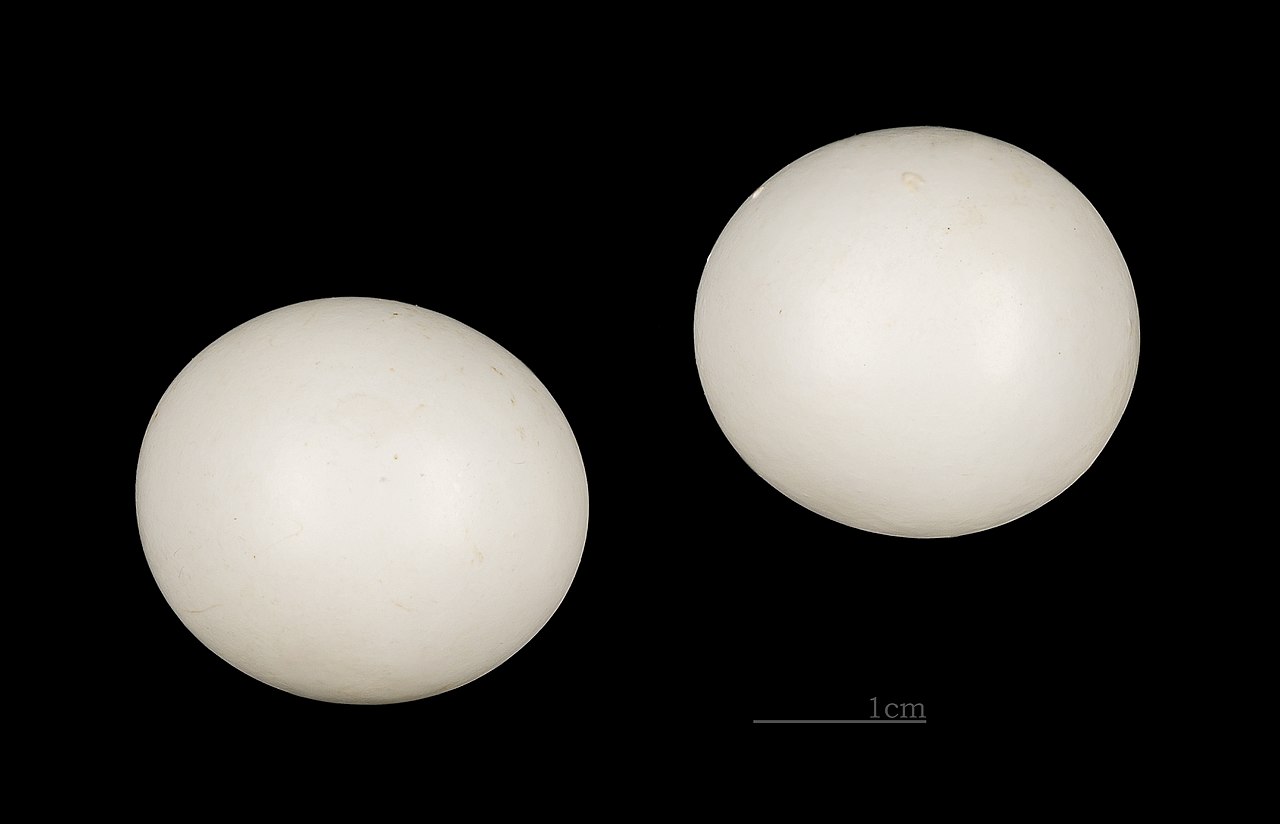
Two eggs of Halcyon leucocephala
Temperament
solitary and territorial
Flight Pattern
short rapid wingbeats with fast, direct dashes between perches
Social Behavior
Typically encountered alone or in pairs, especially during the breeding season. Excavates nesting burrows in sandy banks or similar substrates; both adults share incubation and chick-rearing. Breeding often coincides with local rains when insect prey is abundant.
Migratory Pattern
Partial migrant
Song Description
Gives sharp, ringing 'kik-kik-kik' series and rattling trills, often delivered from a prominent perch. Calls are loud and carry far, especially at dawn and during territorial displays.
Plumage
Clean grey head and nape, bright azure-blue wings and tail with darker flight feathers, and rich rufous underparts with a whitish throat and breast. Upper back and mantle dark, contrasting with vivid blue rump. Juveniles duller with more brownish tones and a darker bill.
Diet
Feeds mainly on large insects such as grasshoppers, beetles, and termites, but also takes small lizards, frogs, and occasionally small crabs or fish. Hunts by sit-and-wait from an exposed perch, dropping to the ground or sallying to foliage to seize prey. Will exploit termite emergences and other seasonal insect swarms.
Preferred Environment
Edges of woodland and savanna with scattered trees, gardens, plantations, and riparian corridors. Often perches on wires, fence posts, or bare branches that provide clear views of the ground.