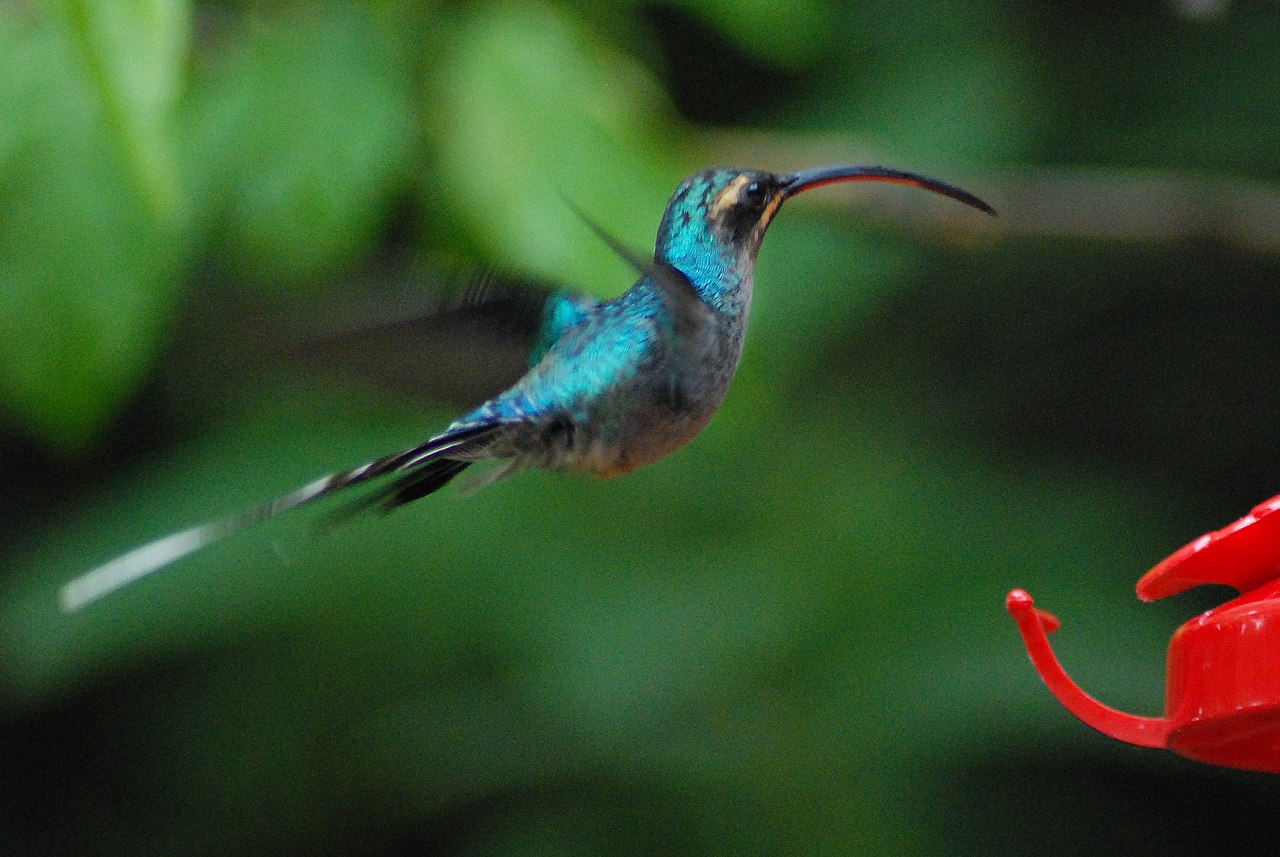
The green broadbill also known as the lesser green broadbill is a small bird in the family Calyptomenidae. It was formerly classified in the family Eurylaimidae, a group of closely related birds that share the name "broadbill".
Region
Southeast Asia
Typical Environment
Occurs in the Malay Peninsula, southern Thailand, Sumatra, Borneo, and nearby islands. Inhabits primary and well‑structured secondary lowland and lower montane evergreen rainforest. Most frequently found in the mid‑ to upper canopy, particularly around fruiting trees such as figs. It tolerates selectively logged forests if fruiting trees remain, but declines where extensive lowland forest is cleared.
Altitude Range
Sea level to 1500 m
Climate Zone
Tropical
Ease of Keeping
Beginner friendly: 1/5
Also called the lesser green broadbill, this species is famed for its vivid leaf‑green plumage that blends seamlessly with rainforest foliage. It often sits motionless in the mid‑canopy, making it surprisingly hard to spot despite its color. Its wide, short bill and huge gape are adaptations for swallowing small fruits whole, especially figs. By dispersing seeds, it plays an important role in maintaining tropical forest diversity.


Nest
Temperament
quiet and unobtrusive
Flight Pattern
short rapid wingbeats between perches
Social Behavior
Often seen singly, in pairs, or small loose groups around fruiting trees. Builds a small, pendulous, mossy nest suspended from a branch. Both sexes are thought to contribute to nesting and chick rearing. Breeding is seasonal, varying locally with rainfall and fruit availability.
Migratory Pattern
Resident
Song Description
Voice is soft and thin, with piping or whistled notes given at intervals from within foliage. Calls include delicate, rising-falling wheeoo and repeated, mellow peeps, often delivered from a concealed perch.
Plumage
Velvety, uniform leaf‑green plumage with a rounded, puffy appearance and a very short, broad bill largely concealed by bristles.
Diet
Primarily consumes small fruits and berries, with a strong preference for figs (Ficus). It plucks fruit while perched or makes short sallies to snatch them, swallowing many whole and later dispersing seeds. Occasionally supplements its diet with small insects or other invertebrates, especially when feeding young.
Preferred Environment
Feeds mainly in the mid‑ to upper canopy of evergreen rainforest, particularly at fruiting trees along ridges, edges, and rivers. Also visits selectively logged areas where fruiting trees persist.