

The giant nuthatch is a species of bird in the family Sittidae. It is the largest of the nuthatches, measuring 19.5 cm (7.7 in) in length. Its upperparts are bluish gray, with the front being light gray, contrasting with the darker rest of the back. The bird has two very thick black eyebrow lines and light gray underparts, with whitish cheeks and throat, and a belly more or less washed with buff and cinnamon. For a nuthatch, it has a long beak and tail. The female can be distinguished from the male by its duller eye features and its upperparts having less contrast between the crown, nape, and lower back. The calls are powerful and made up of repetitions of simple patterns. The species gleans its food from the trunks and branches of trees, especially pines, and feeds on insects and berries. It nests around March, in the hole of a tree and without masking the entrance, and the nest has about three young.
Region
Southeast Asia
Typical Environment
Found patchily in montane regions of southern China (Yunnan), Myanmar, and northern Thailand, with records in adjacent Laos. It favors mature open pine and pine–oak forests, especially with large, old trees and broken canopies. Birds forage along trunks and main branches, often high in the canopy, and will move between forest edges and interior stands. Local movements may occur where resources shift seasonally, but populations are largely sedentary.
Altitude Range
800–3000 m
Climate Zone
Highland
Ease of Keeping
Beginner friendly: 1/5
The giant nuthatch is the largest nuthatch, adapted to mature pine and pine–oak forests of the mountains of southern China and mainland Southeast Asia. It uses its long bill to pry insects from bark and occasionally takes berries, and it often joins mixed-species flocks. Loss of old-growth pine due to logging and fragmentation is its chief threat, and conservation focuses on protecting high-elevation conifer stands.


A giant nuthatch in Doi Ang Khang, showing its undertail largely spotted with white.

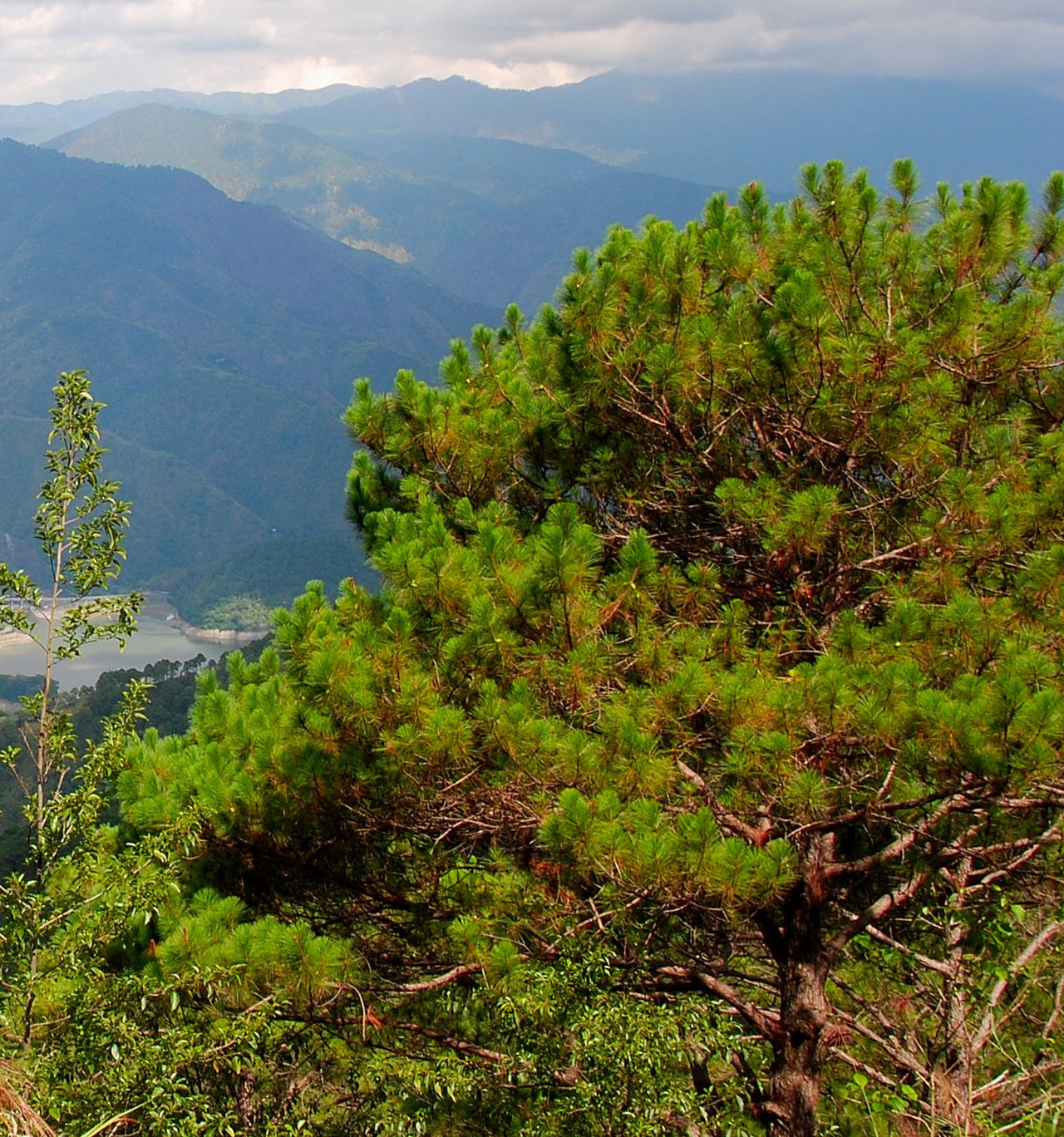
The Benguet Pine (Pinus kesiya), can be visited by the giant nuthatch, both for food and for nesting.

In Yunnan, as elsewhere, mature forests are felled for agriculture.
Temperament
alert and active, moderately territorial
Flight Pattern
short rapid wingbeats with direct, bounding flights between trees
Social Behavior
Typically seen singly or in pairs, remaining in contact with loud calls while foraging along trunks and large branches. Pairs nest in natural cavities, usually in March, and unlike some nuthatches they do not plaster the entrance with mud. Clutches are small, commonly around three young. Frequently joins mixed-species foraging flocks in the non-breeding season.
Migratory Pattern
Resident
Song Description
Powerful, ringing series of repeated whistled notes, often delivered in simple, emphatic patterns. Calls carry far through open pine forest and include sharp contact notes used between foraging birds.
Plumage
Bluish-gray upperparts with paler gray foreparts contrasting with a darker back; light gray underparts tinged buff to cinnamon on the belly. Whitish cheeks and throat with clean, crisp contrasts. For a nuthatch it shows a relatively long bill and tail.
Diet
Primarily feeds on insects and other arthropods, gleaned from bark crevices and the surfaces of trunks and limbs. Uses its long bill to probe and pry, and may hammer prey items against wood. Supplements its diet with berries and occasionally seeds, especially when insect prey is scarce. May cache food items in bark during cooler months.
Preferred Environment
Forages on mature pines and pine–oak stands, favoring large-diameter trunks and major branches. Often works mid to upper canopy and along open forest edges where bark flakes and crevices are abundant.


