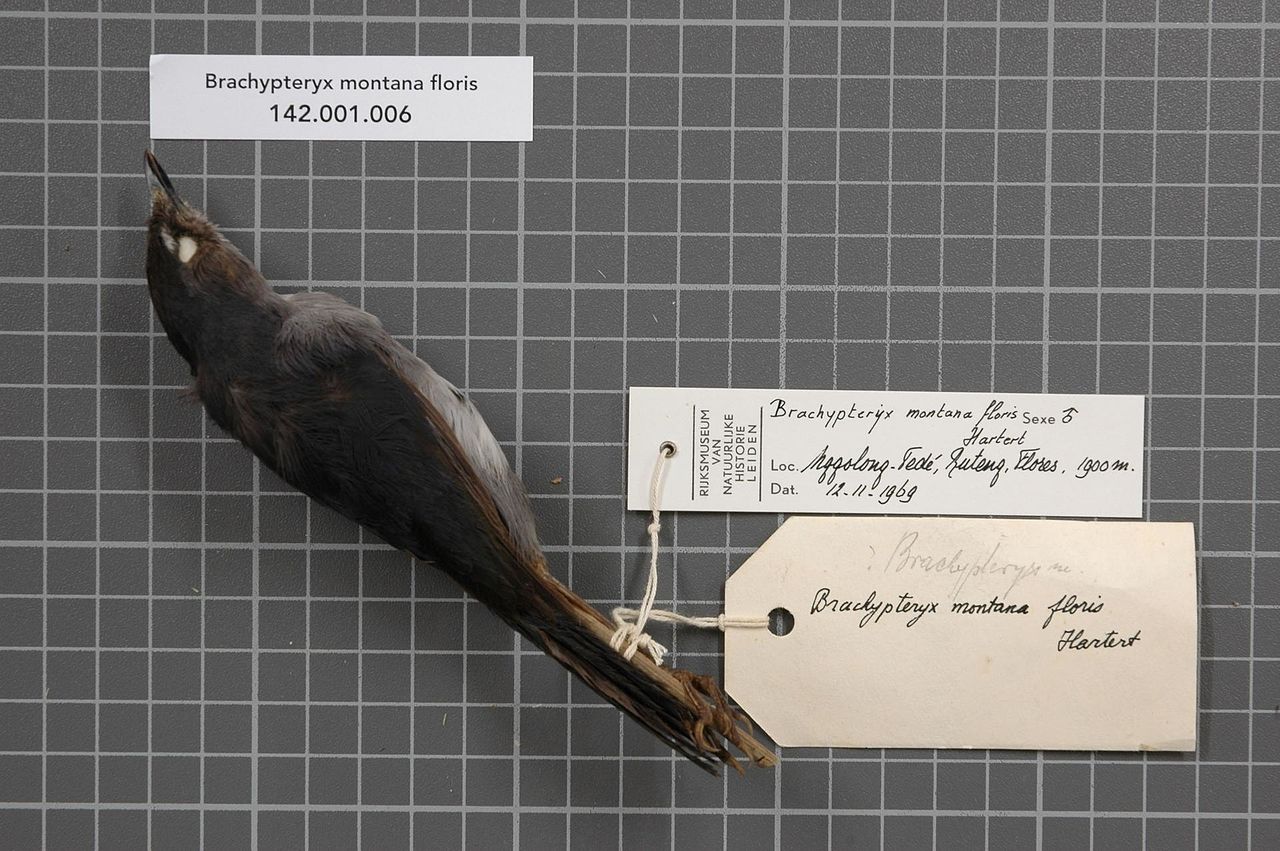
The Flores green pigeon is a species of bird in the family Columbidae. It is endemic to the Lesser Sunda Islands of Indonesia and occur on the islands Lombok, Sumbawa, Flores, Solor, Lembata, Pantar and Alor.
Region
Lesser Sunda Islands
Typical Environment
Occurs on Lombok, Sumbawa, Flores, Solor, Lembata, Pantar, and Alor. It inhabits tropical moist lowland and hill forests, including forest edges, secondary growth, and occasionally mangroves and fruiting trees in agroforestry. The species forages primarily in the upper canopy, moving between fruiting trees in small groups. It is most frequently recorded in areas with abundant figs (Ficus). Habitat fragmentation and logging reduce its local abundance and continuity of suitable feeding sites.
Altitude Range
0–1500 m
Climate Zone
Tropical
Ease of Keeping
Beginner friendly: 2/5
The Flores green pigeon is a canopy-dwelling fruit specialist that helps disperse the seeds of native trees, especially figs. It is restricted to the Lesser Sunda Islands of Indonesia and is sensitive to forest loss and degradation. Males show more contrasting head and wing colors than females, which are overall greener and more cryptic. It usually keeps to the treetops and can be overlooked despite its bright plumage.

Temperament
social and wary
Flight Pattern
strong flier with rapid, direct wingbeats
Social Behavior
Usually seen in pairs or small groups, sometimes joining mixed-species frugivore flocks at fruiting trees. Forms monogamous pairs during the breeding season. Nests are flimsy twig platforms placed high in trees, with typically one to two eggs. Adults share incubation and chick-rearing duties.
Migratory Pattern
Resident
Song Description
A soft series of mellow coos and low, muffled whistles delivered from within the canopy. Calls carry poorly through dense foliage, making the species easier to detect at close range or at dawn.
Plumage
Predominantly apple-green with smooth, sleek contour feathers; males show a paler greyish head and a maroon-tinged shoulder, females more uniformly green. Underparts may have a yellowish wash with slightly brighter undertail coverts. The tail is green with subtle darker subterminal banding.
Diet
Feeds mainly on figs and other soft fruits, swallowing them whole and later dispersing seeds. Also takes berries from forest shrubs and fruiting vines. Occasionally supplements its diet with buds and tender shoots. It moves between fruiting trees as resources ripen across the landscape.
Preferred Environment
Forages high in the canopy of primary and secondary forest and along forest edges. Will visit fruiting trees in wooded gardens, agroforestry plots, and mangroves when available.