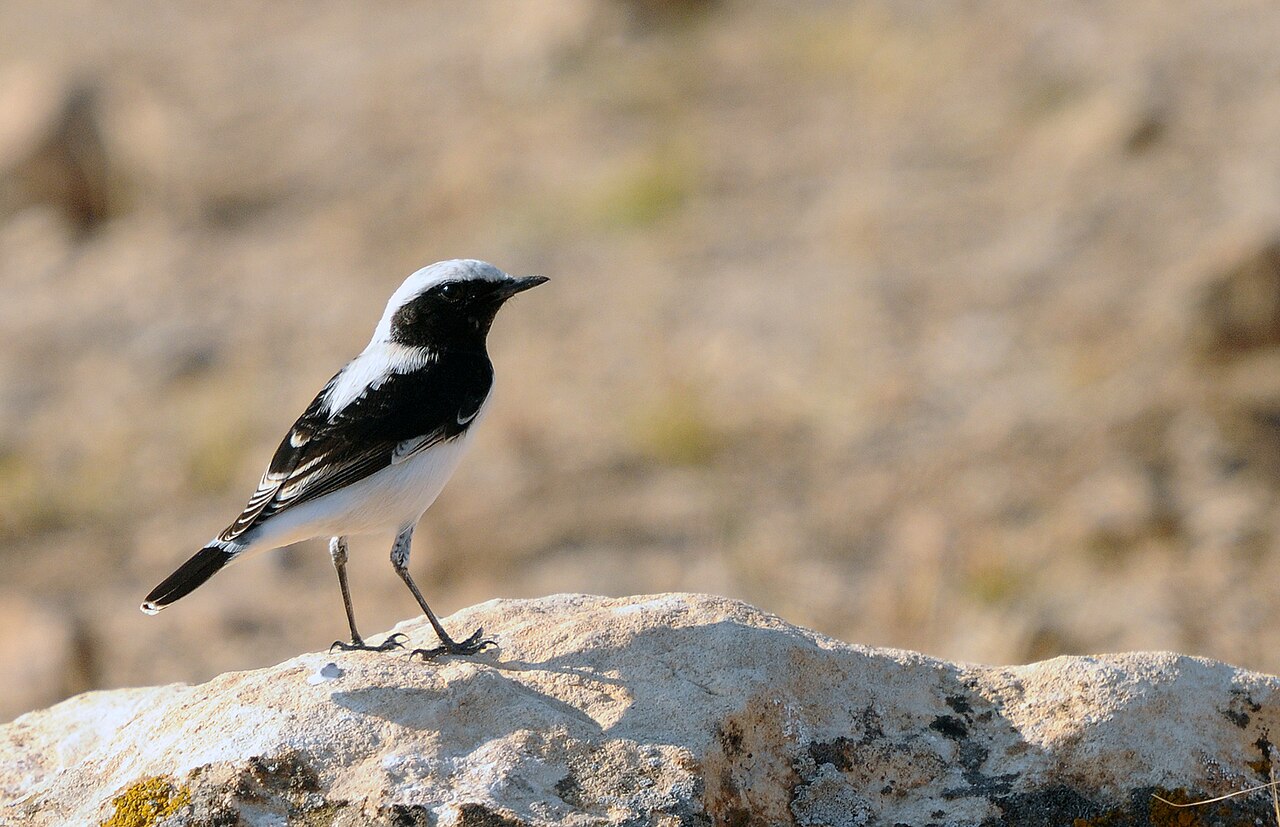
Finsch's rufous thrush, also known as Finsch's flycatcher-thrush, Finsch's rusty flycatcher, Finsch's ant thrush or Finsch's rufous ant thrush, is a little-known flycatcher-like thrush of West African forests. It is often considered a subspecies of Fraser's rufous thrush.
Region
West Africa (Upper Guinea forests)
Typical Environment
Occurs from Sierra Leone and Liberia east through Côte d’Ivoire to Ghana, mainly in lowland evergreen and moist semi-deciduous forest. It favors dense understorey, forest edges, and older secondary growth where thickets and lianas provide cover. Often keeps close to the ground or low perches, stepping through leaf litter and sallying out to catch prey. Local records may include swampy forest and gallery forest along streams. It is generally absent from heavily degraded or very open habitats.
Altitude Range
Sea level to 1200 m
Climate Zone
Tropical
Ease of Keeping
Beginner friendly: 1/5
Also called Finsch's flycatcher-thrush or Finsch's ant thrush, it is a shy, ground-leaning thrush of West African rainforests. It is often treated as a subspecies of Fraser's rufous thrush, but many authorities recognize it as a distinct species restricted to the Upper Guinea forests. It forages like a flycatcher from low perches and may follow army ants to snatch flushed insects.

Temperament
shy and skulking
Flight Pattern
short rapid wingbeats
Social Behavior
Usually solitary or in pairs within dense forest understorey, occasionally joining mixed-species flocks. Forages low, making short sallies from perches and hopping through leaf litter. Nesting is presumed to be a cup of plant fibers placed low in shrubs or small trees, as in related thrushes; breeding timing varies locally with rains.
Migratory Pattern
Resident
Song Description
A mellow, fluty series of clear whistles delivered at a measured pace, often repeated from a shaded perch. Calls include soft tchik or tsip notes and harsher contact calls when alarmed.
Plumage
Mostly uniform rufous to cinnamon-brown with slightly warmer underparts and plainer, unpatterned upperparts. Throat and breast may appear a touch paler, blending into the belly without strong streaking. Feathers are smooth and sleek, giving a clean, even-toned look.
Diet
Primarily eats insects and other small arthropods, including beetles, ants, termites, caterpillars, and spiders. Uses sit-and-sally tactics from low perches and also gleans from foliage and leaf litter. May shadow army-ant swarms to capture flushed prey. Occasionally takes small fruits when available, but animal prey dominates.
Preferred Environment
Feeds within dense understorey, along shaded trails, and near forest streams and tangles of lianas. Often keeps to dimly lit patches where it can dart out to intercept flying or fleeing insects.