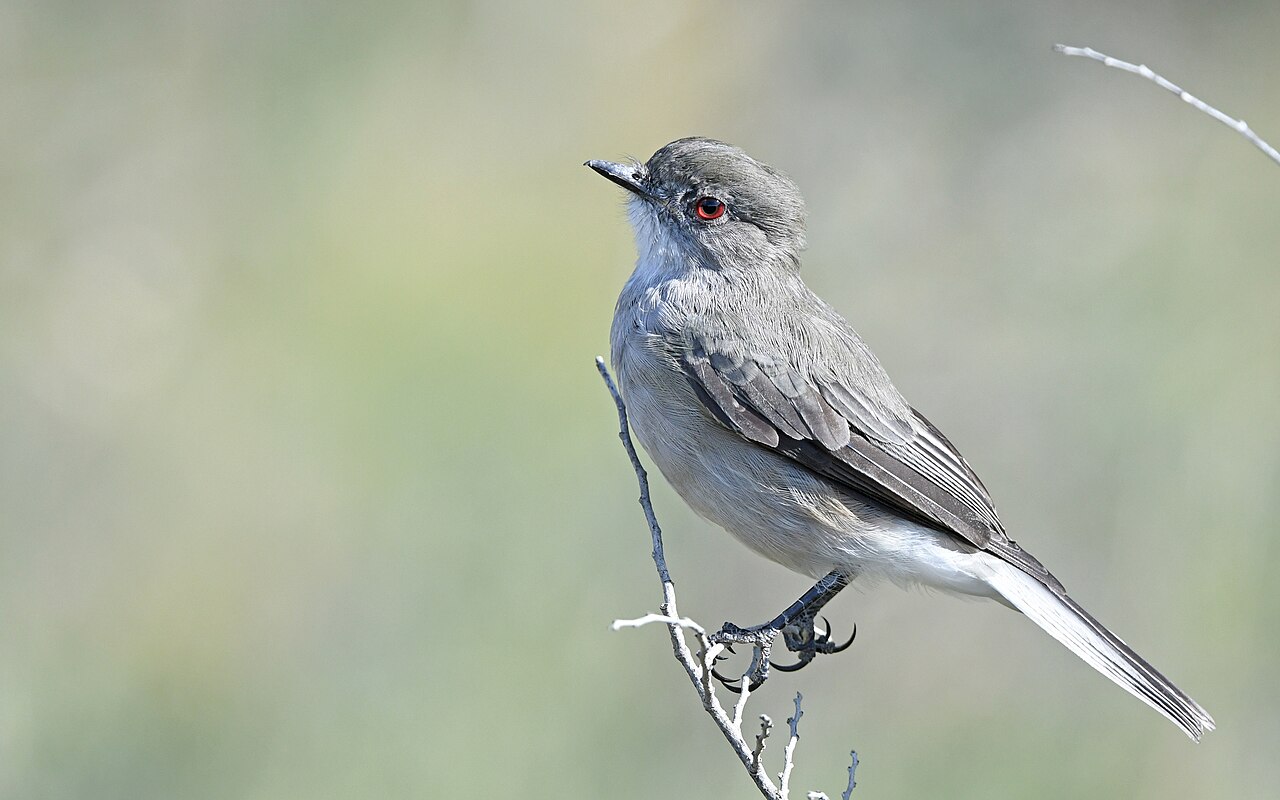
The fire-crested alethe is a species of bird in the Old World flycatcher family Muscicapidae. It is found in central Africa, from Nigeria to Uganda. Its natural habitat is subtropical or tropical moist lowland forests.
Region
Central Africa
Typical Environment
Occupies subtropical and tropical moist lowland forests from southeastern Nigeria east through Cameroon, Gabon, Central African Republic, Republic of the Congo, and the Democratic Republic of the Congo to western Uganda. Prefers primary forest but also uses well-developed secondary forest with dense understory. Most activity is on or near the forest floor, especially along shaded trails, stream margins, and in vine tangles. It avoids open and heavily degraded habitats. Local presence is tied to intact leaf-litter layers and continuous canopy cover.
Altitude Range
0–1500 m
Climate Zone
Tropical
Ease of Keeping
Beginner friendly: 1/5
A shy, ground-loving flycatcher of Central African rainforests, the fire-crested alethe often forages by flipping leaf litter in shaded understory. Its namesake fiery crown can be surprisingly vivid when caught by a shaft of light. It may accompany army ant swarms to snatch fleeing insects. The species is generally quiet and unobtrusive, more often heard than seen.

Temperament
shy and skulking
Flight Pattern
short rapid wingbeats
Social Behavior
Usually solitary or in pairs, maintaining small territories within dense understory. Nests are cup-shaped and placed low in shrubs or tangles; both parents participate in care. Displays are subtle, relying more on song and quiet movements than conspicuous flights.
Migratory Pattern
Resident
Song Description
Song is a series of clear, fluty whistles delivered from concealed perches, often with repeated phrases. Calls include sharp ‘tchik’ or ‘tchak’ notes given when alarmed or during contact. Vocalizations carry well through dense forest despite moderate volume.
Plumage
Compact, thrush-like flycatcher with a bright rufous to orange crown, contrasting with greyer face and brownish-olive upperparts. Underparts are pale to whitish with warmer buff flanks, and the throat is usually paler. Feathers appear soft and sleek, with minimal streaking. Tail and wings are brown with subtle edging.
Diet
Feeds mainly on insects and other small arthropods gleaned from the forest floor and low vegetation. Regularly flips leaves to expose hidden prey such as ants, beetles, spiders, and small caterpillars. Will opportunistically take small snails or other invertebrates and may occasionally sample small fruits.
Preferred Environment
Most foraging occurs in shaded understory, along paths, fallen logs, and around buttress roots where leaf litter accumulates. It sometimes follows army ant swarms to capture flushed prey and investigates light gaps where insects congregate.