The Eurasian siskin is a small passerine bird in the finch family Fringillidae. It is also called the European siskin, common siskin or just siskin. Other (archaic) names include black-headed goldfinch, barley bird and aberdevine. It is very common throughout Europe and Eurosiberia. It is found in forested areas, both coniferous and mixed woodland where it feeds on seeds of all kinds, especially of alder and conifers.
Region
Europe and northern Asia (Palearctic)
Typical Environment
Widespread across most of Europe into Siberia, favoring coniferous and mixed woodlands with alder, birch, and spruce. In the breeding season it concentrates in forests, especially where mature conifers and alders are abundant. Outside breeding, it disperses broadly to lowlands, parks, orchards, and urban green spaces. During poor seed years it can move far south and west in large irruptive flocks.
Altitude Range
Sea level to 2500 m
Climate Zone
Temperate
Ease of Keeping
Beginner friendly: 2/5
The Eurasian siskin is a small, agile finch that often performs acrobatic feeding, hanging from alder and birch catkins. It frequently irrupts southward in large numbers when northern cone and catkin crops fail. In winter it readily visits garden feeders for nyjer and sunflower seeds. Males are easily recognized by their black cap and vibrant yellow wing panels.


Siskin feeding on Sitka spruce seeds. Extensive plantations of this New World species in Britain have resulted a significant expansion of the species' range here

Siskin feeding in an alder tree
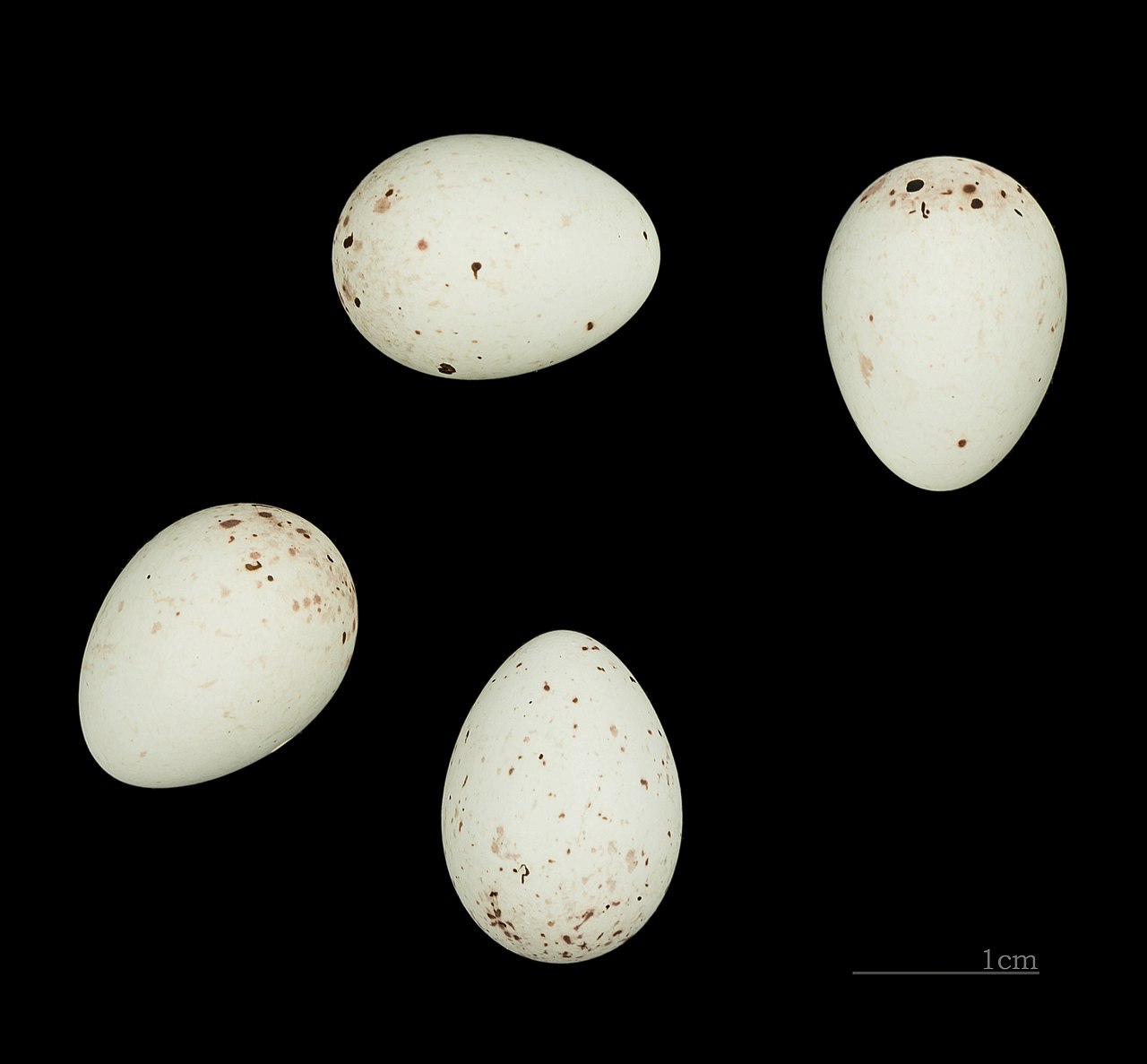
Eggs of Spinus spinus

Structure holding cages used for listening to siskins at the singing contest of Sagra dei Osei, Italy
Temperament
social and active
Flight Pattern
undulating flight with rapid wingbeats
Social Behavior
Often forms lively flocks outside the breeding season, sometimes mixed with other finches such as redpolls. Nests high in conifers or alders, typically on outer branch forks. Pairs form for the season; the female incubates while the male brings food. Clutches are commonly 2–6 eggs.
Migratory Pattern
Partial migrant
Song Description
A fast, twittering warble interspersed with buzzy notes and thin sibilant calls. The flight call is a soft, rising tswee that carries well over canopy levels.
Plumage
Fine-streaked greenish-yellow body with darker streaking on the flanks; males brighter with contrasting markings, females duller and more heavily streaked.
Diet
Primarily seeds from alder, birch, and conifers, supplemented by various herb seeds such as thistles. In the breeding season it also takes small insects and larvae, especially for feeding young. It uses a delicate, probing technique to extract seeds from catkins and cones and readily visits nyjer and sunflower feeders in winter. Flocks often forage together, moving quickly between seed sources.
Preferred Environment
Feeds in tree canopies of alders, birches, and spruces, as well as in weedy patches and along woodland edges. In winter it is common in parks, gardens, and riparian corridors rich in alder.