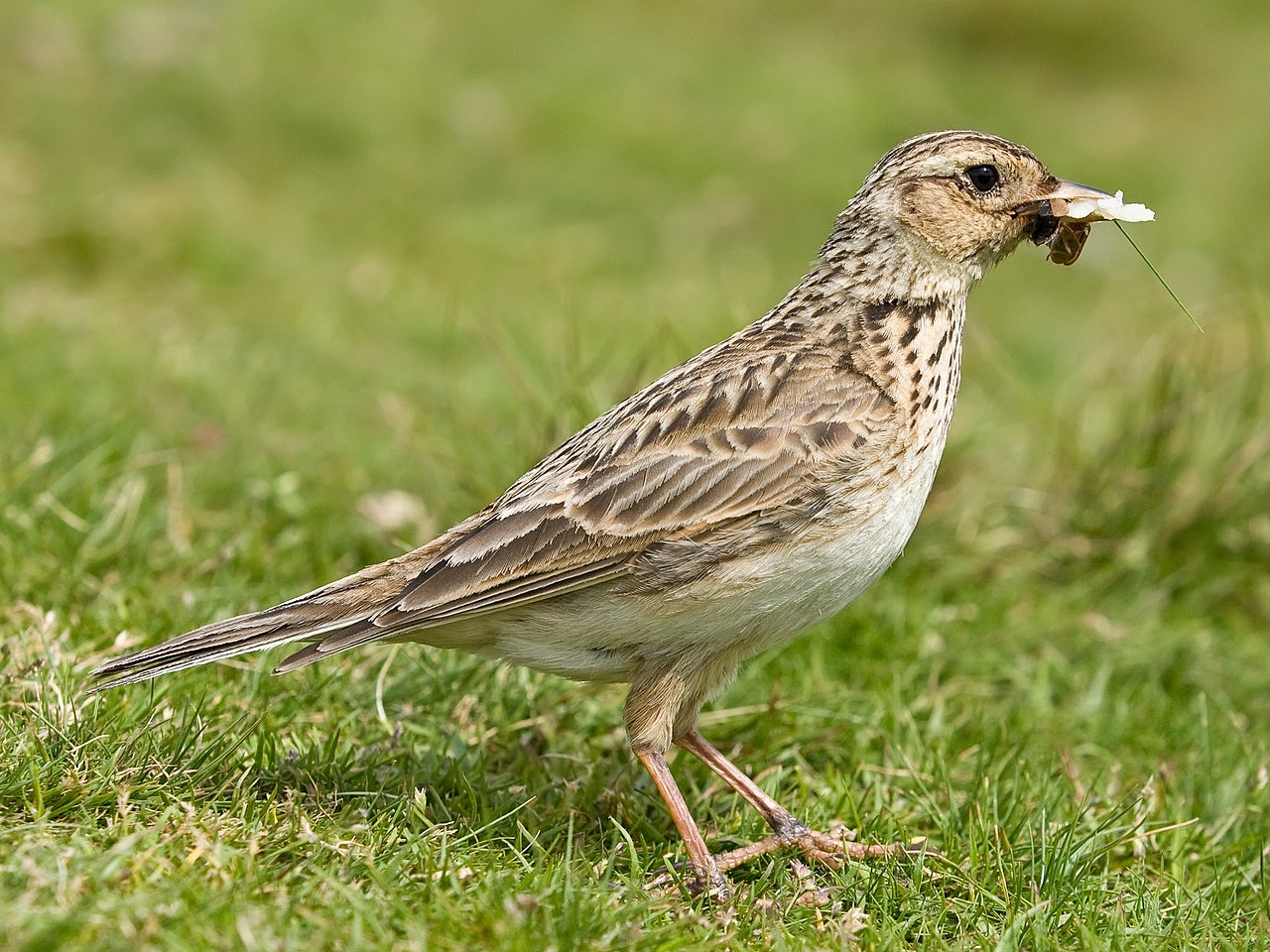
The Eurasian penduline tit or European penduline tit is a passerine bird of the genus Remiz. It is relatively widespread throughout the western Palearctic. It is migratory in the northern part of its range but resident in the southern part.
Region
Western Palearctic
Typical Environment
Occurs widely from Iberia and France across central and eastern Europe to western and central Asia, reaching the Caspian region and Kazakhstan. It occupies riparian habitats including reedbeds, marshes, oxbow lakes, and rivers lined with willow and alder. The species favors areas with abundant reeds, cattails, and flexible branches suitable for suspending nests. Many birds winter in southern Europe, North Africa, and the Middle East, while others remain resident in milder areas.
Altitude Range
Sea level to 1500 m
Climate Zone
Temperate
Ease of Keeping
Beginner friendly: 1/5
Famed for its intricate, hanging pouch nests woven from plant fibers and seed fluff, often suspended from willow branches over water. Northern populations migrate south for winter, while southern populations are more sedentary. Males often begin several nests to attract females, and the species can show variable parental care, with either sex sometimes incubating alone.


Nest in Poland

Eggs, Collection Museum Wiesbaden
Temperament
active and agile
Flight Pattern
short rapid wingbeats with brief undulating bouts
Social Behavior
Outside the breeding season it forms loose flocks in reedbeds and riparian shrubs. During breeding, males initiate elaborate hanging nests; females inspect and may complete a chosen nest. The species can be polygynous, and parental care is variable, with either sex sometimes incubating and rearing the young.
Migratory Pattern
Partial migrant
Song Description
Song is a soft, thin twitter with high, sibilant notes. Calls include sharp, high 'tsii' contact notes often given in series from reeds or willows.
Plumage
Small, delicate passerine with warm chestnut back, pale buff underparts, and a grey head featuring a distinct black mask; plumage tone varies across range and season.
Diet
Primarily gleans small insects and other arthropods such as spiders, aphids, and caterpillars from reeds, catkins, and twigs. In autumn and winter it supplements with small seeds, especially from reeds and other wetland plants. It occasionally picks prey from water-surface vegetation and uses fine bill-work to probe catkins.
Preferred Environment
Feeds in reedbeds, cattail stands, and riparian thickets of willow and alder. Often forages acrobatically, hanging from stems and catkins and working through the outer foliage layer near water.