

The Eurasian crag martin or just crag martin is a small passerine bird in the swallow family. It is about 14 cm (5.5 in) long with ash-brown upperparts and paler underparts, and a short, square tail that has distinctive white patches on most of its feathers. It breeds in the mountains of southern Europe, northwestern Africa and across the Palearctic. It can be confused with the three other species in its genus, but is larger with brighter tail spots and different plumage tone. Many European birds are resident, but some northern populations and most Asian breeders are migratory, wintering in northern Africa, the Middle East or India.
Region
Palearctic
Typical Environment
Breeds in rocky mountains and escarpments of southern Europe, northwestern Africa, the Caucasus, the Middle East, and across central Asia. Favors cliffs, gorges, and steep valleys, and readily nests on human-made structures such as bridges, viaducts, and dams. In winter it disperses to lower elevations and more southerly areas, including North Africa, the Levant, and the Indian subcontinent. Frequently forages along cliff faces, over rivers, and near coastal headlands where updrafts concentrate insects.
Altitude Range
Sea level to 3000 m
Climate Zone
Temperate
Ease of Keeping
Beginner friendly: 1/5
The Eurasian crag martin is a cliff-nesting swallow known for its square tail with bold white patches, which are conspicuous in flight. It often adopts bridges, dams, and buildings as substitutes for natural rock ledges. Many populations are resident, but northern and Asian breeders move south in winter to North Africa, the Middle East, and India. It hunts close to rock faces, deftly using updrafts to catch flying insects.


Group perched on a rocky surface

Breeding habitat in Spain
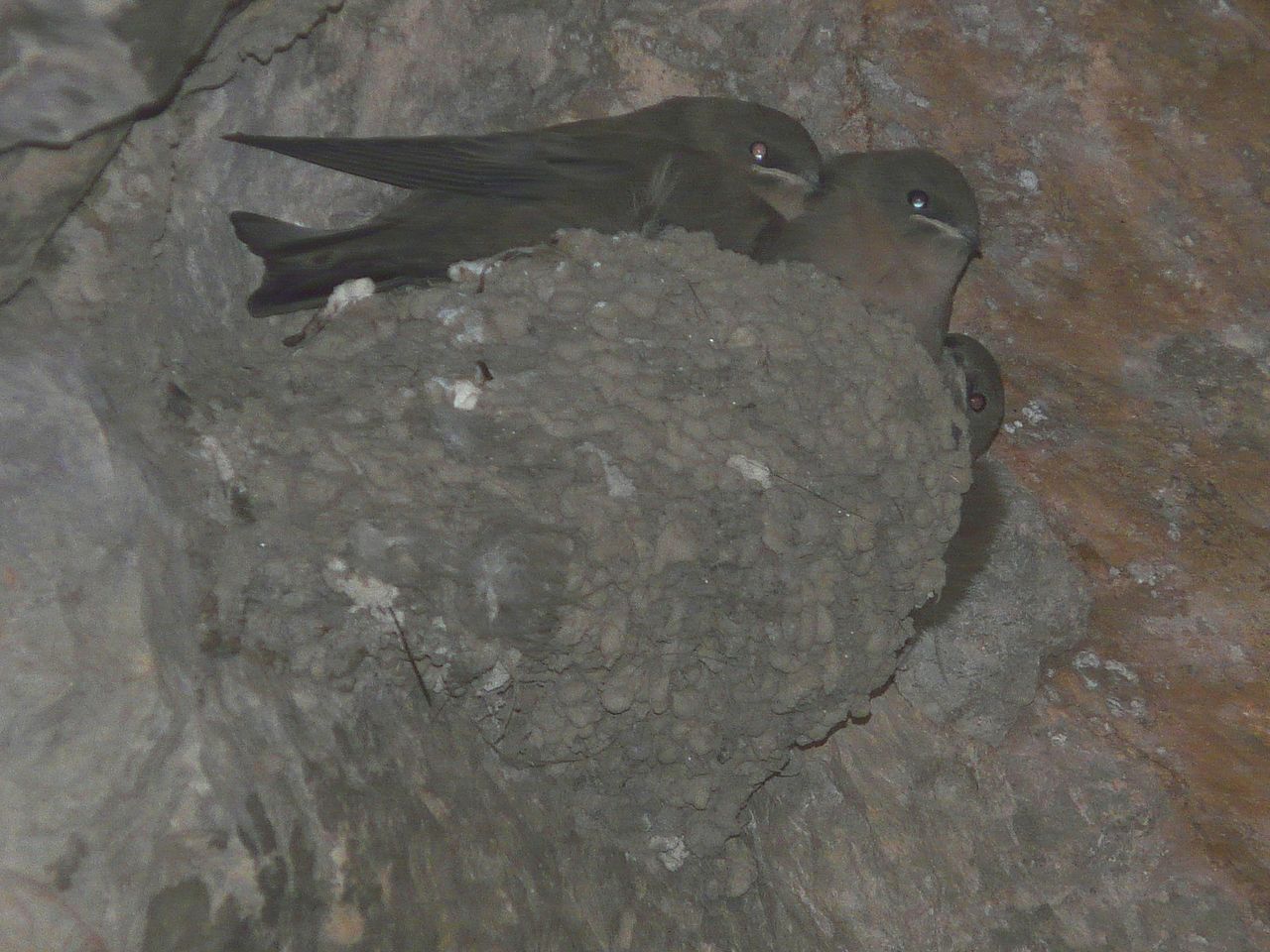
Nest with young

Ptyonoprogne rupestris – MHNT

In flight
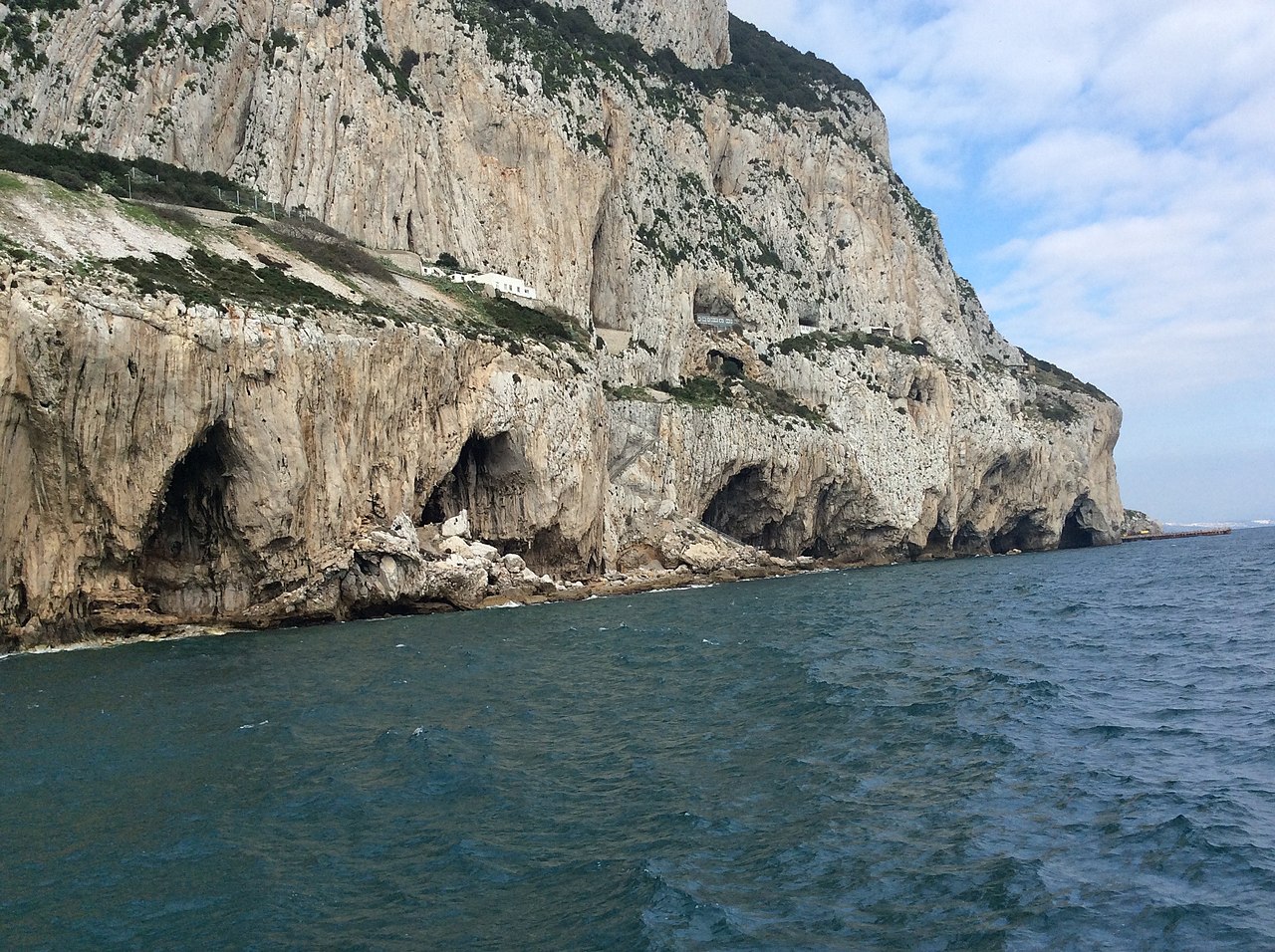
The Gorham's Cave Complex in Gibraltar holds the largest known wintering roost of Eurasian crag martins in the world

Eurasian Crag Martin nesting at Nice Airport
Temperament
social and active
Flight Pattern
short rapid wingbeats with frequent glides along cliff faces
Social Behavior
Often breeds in loose colonies or small groups, attaching open cup nests to sheltered ledges, caves, or man-made structures. Both parents build with mud pellets and share incubation and chick-rearing. Outside the breeding season, forms flocks that may roost communally on cliffs or buildings.
Migratory Pattern
Partial migrant
Song Description
A soft, twittering series of chirps and trills typical of swallows, usually delivered in flight near breeding sites. Calls include dry chips and short rattles used for contact within foraging groups.
Plumage
Ash-brown upperparts with paler, slightly mottled underparts; wings and tail darker brown with contrasting pale panels below.
Diet
Feeds almost exclusively on flying insects such as flies, beetles, ants, wasps, and small moths, taken on the wing. It often forages close to rock faces where insects are concentrated by wind currents. Will range over rivers, fields, and coastal cliffs, adjusting height with thermal activity and wind conditions. Food is carried back to nestlings as boluses.
Preferred Environment
Most frequently hunts along cliffs, escarpments, and canyons with reliable updrafts. Also common around bridges, dams, and tall buildings that mimic natural cliff habitat, especially outside the breeding season.


