

The Eurasian curlew or common curlew is a very large wader in the family Scolopacidae. It is one of the most widespread of the curlews, breeding across temperate Europe and Asia. In Europe, this species is often referred to just as the "curlew", and in Scotland known as the "whaup" in Scots.
Region
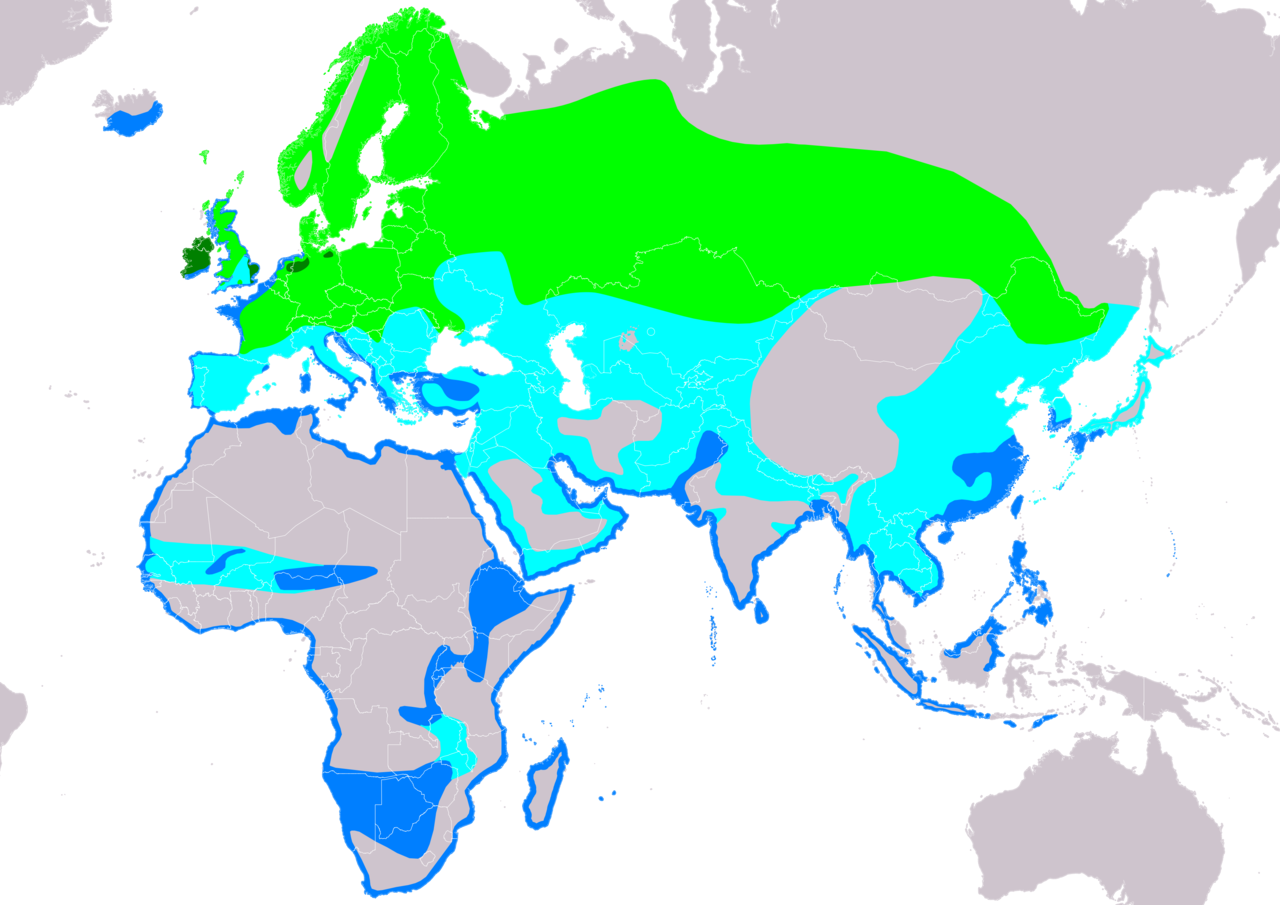
Europe and temperate Asia (breeding), Africa and South Asia (wintering)
Typical Environment
Breeds in open landscapes such as wet grasslands, upland moors, bogs, and coastal marshes across temperate Europe and Asia. In the non-breeding season it concentrates on tidal mudflats, estuaries, sandy and rocky shores, and saltmarshes. It favors wide, open areas with soft soils or sediments suitable for probing. In agricultural regions it may use pastures and damp meadows, especially where earthworms are abundant.
Altitude Range
Sea level to 1200 m
Climate Zone
Temperate
Ease of Keeping
Beginner friendly: 1/5
The Eurasian curlew is the largest European wader, instantly recognized by its very long, downcurved bill used for probing soft substrates. It breeds across temperate Europe and Asia and winters mainly on coasts, estuaries, and mudflats from southern Europe and Africa to South Asia. In Scotland it is known as the whaup, reflecting its evocative call. Habitat loss and changes in agricultural practices have caused declines in many breeding areas.



Temperament
wary and cautious, especially on open shores
Flight Pattern
strong flier with steady wingbeats and occasional glides
Social Behavior
Breeds in dispersed pairs on open moors and wetlands, nesting on the ground in a shallow scrape. Both parents incubate and tend the chicks, which are precocial. Outside the breeding season it forms loose to large flocks on estuaries and coastal flats. Displays include song-flights over territories during spring.
Migratory Pattern
Seasonal migrant
Song Description
Famous for a haunting, fluty, rising ‘cur-lee’ and a long bubbling trill during display flights. Calls carry over long distances across moorland and shorelines, often given in series when birds are in flight or alarmed.
Plumage
Overall mottled and streaked brown upperparts with paler, streaked underparts; feathers show fine barring on wings and tail.
Diet
Feeds mainly on invertebrates including earthworms, marine worms, molluscs, and crustaceans taken by probing deep into mud or soft soil. Also consumes insects such as beetles and larvae in breeding areas. Occasionally takes small fish, amphibians, or berries when available. The long, sensitive bill allows tactile foraging below the surface where prey is unseen.
Preferred Environment
Forages on intertidal mudflats, sandflats, estuarine margins, and saltmarshes outside the breeding season. On breeding grounds it searches damp meadows, peat bogs, and rough pastures. Often feeds in open, sparsely vegetated areas where probing is easy.


