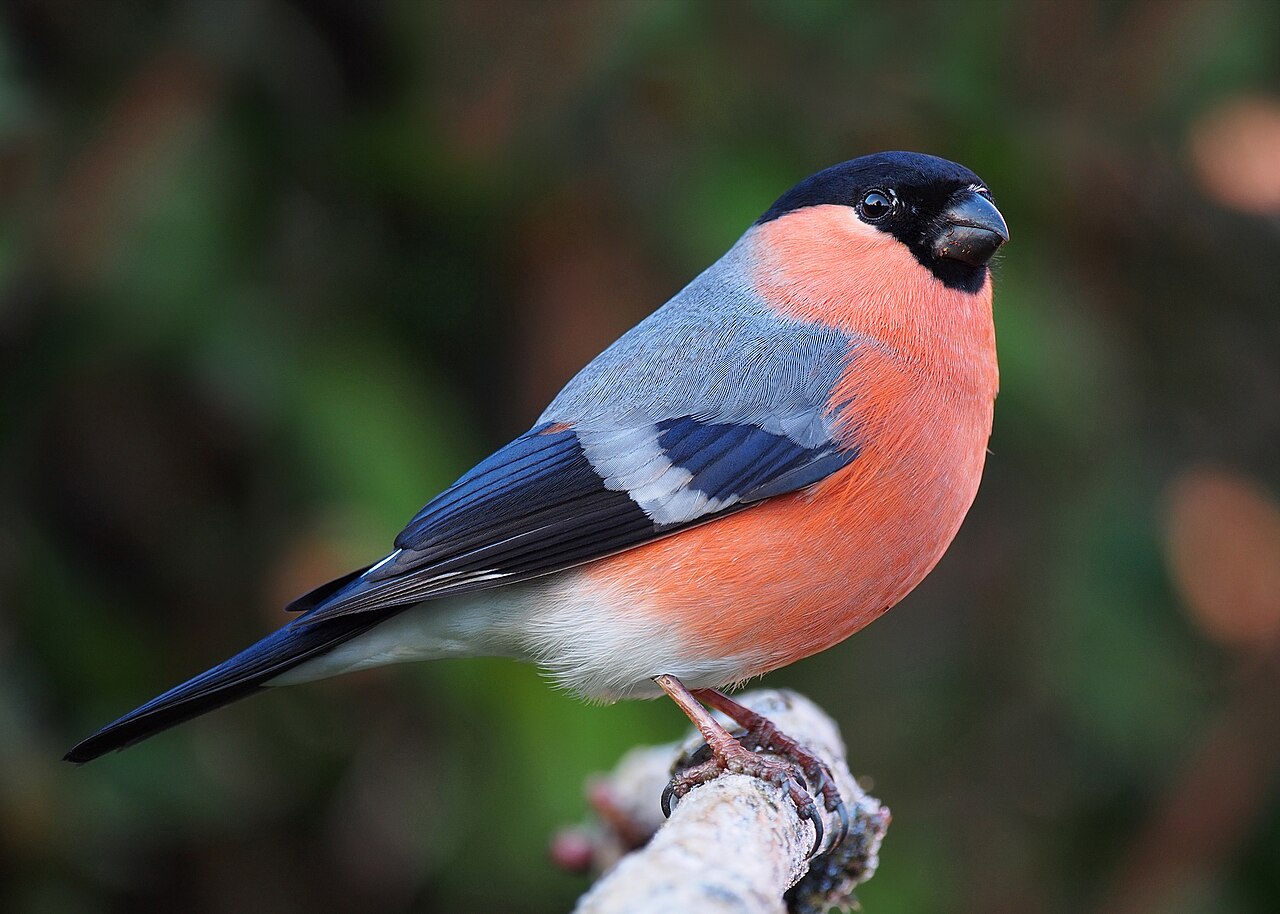
The Eungella honeyeater is a species of bird in the family Meliphagidae and is endemic to Australia.
Region
Northeast Queensland, Australia
Typical Environment
Found almost exclusively in the upland forests of the Clarke Range around Eungella National Park. It uses rainforest edges, wet sclerophyll forest, and riparian gullies, often where flowering eucalypts and shrubs are abundant. Birds move between forest interiors and edges to exploit seasonal nectar. They occasionally venture into nearby clearings, regrowth, and township gardens when flowers are plentiful.
Altitude Range
400–1200 m
Climate Zone
Subtropical
Ease of Keeping
Beginner friendly: 1/5
Endemic to the Eungella region of Queensland, this honeyeater is closely related to the bridled honeyeater but shows subtler facial markings and a distinct voice. It frequents flowering eucalypts and shrubs and is an important local pollinator. Its entire global range is small, centered on upland forests around Eungella National Park.
Temperament
active and somewhat shy
Flight Pattern
short rapid wingbeats with direct, fast dashes between perches
Social Behavior
Usually seen singly, in pairs, or small groups, becoming more gregarious at rich flowering trees. Pairs defend nectar sources during breeding and build a small cup nest in foliage. Both parents feed the nestlings. Outside the breeding season it may join mixed-species foraging groups with other honeyeaters.
Migratory Pattern
Resident
Song Description
A mix of ringing whistles and sharp chattering notes, often delivered from mid-canopy perches. Calls are loud and carry through forest edges, with scolding phrases when agitated.
Plumage
Mostly olive-brown above with greyer, lightly streaked underparts and a clean, pale throat. The face is relatively plain with a subtle pale malar line and faint eyebrow. Feathers are sleek with minimal contrast overall.
Diet
Feeds primarily on nectar from flowering eucalypts and native shrubs such as banksias and grevilleas. Supplements with insects and spiders gleaned from foliage and bark, especially when feeding young. Will take small amounts of soft fruit or honeydew opportunistically.
Preferred Environment
Forages in mid to upper canopy along rainforest margins and wet sclerophyll stands. Frequently visits flowering trees along creeklines, track edges, and disturbed forest with abundant blossoms.