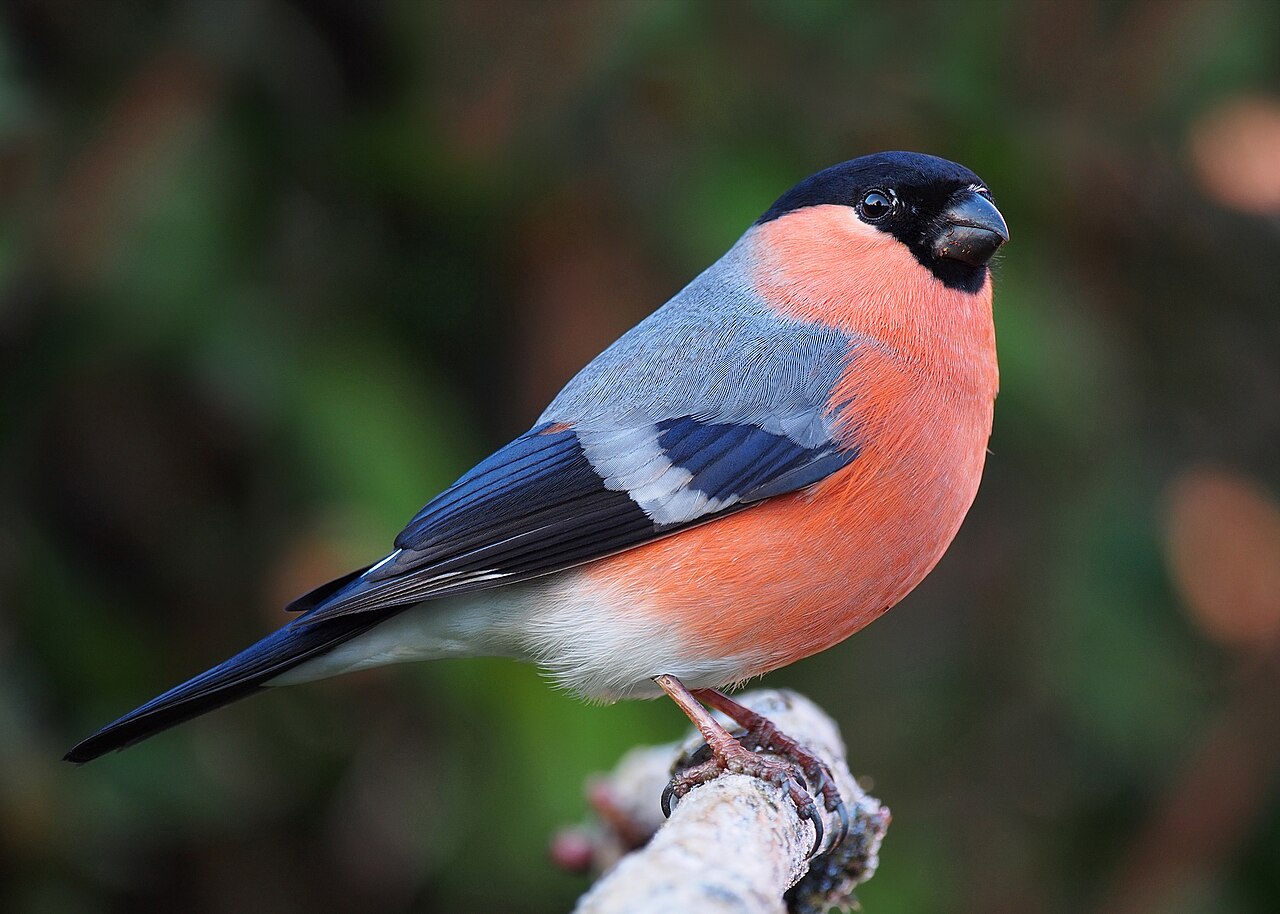
Euler's flycatcher is a small passerine bird in the family Tyrannidae, the tyrant flycatchers. It is found on Trinidad and in every mainland South American country except Chile. It formerly was found on Grenada.
Region
Tropical and subtropical South America (including Trinidad)
Typical Environment
Occurs in every mainland South American country except Chile, with populations in the Amazon Basin, the Atlantic Forest, Cerrado gallery forests, Andean foothill forests, and on Trinidad. It favors forest understory and edges, second-growth woodlands, and riparian thickets. The species adapts well to moderately disturbed habitats and regenerating forest. It has been extirpated from Grenada.
Altitude Range
0–2000 m
Climate Zone
Tropical
Ease of Keeping
Beginner friendly: 1/5
Euler's flycatcher is a small tyrant flycatcher often identified more reliably by voice than by looks, as its plumage resembles several other small flycatchers. It is widespread across mainland South America and occurs on Trinidad, but has been extirpated from Grenada. The species honors the Swiss-Brazilian naturalist Carl Euler, who worked extensively in Brazil. It typically forages quietly in the forest understory, making brief sallies to snatch insects.


Temperament
solitary and territorial
Flight Pattern
short rapid wingbeats with quick sallies
Social Behavior
Typically forages alone or in pairs, sometimes joining mixed-species flocks in forest understory. Nests are cup-shaped and placed low to mid-level in shrubs or small trees; both parents participate in care. Breeding territories are defended by song and chase displays.
Migratory Pattern
Partial migrant
Song Description
Song is a series of thin, high-pitched whistles and tseet notes, often delivered in short phrases repeated at intervals. Call notes include sharp chips and soft tsee sounds, frequently given while foraging.
Plumage
Olive-brown upperparts with a grayish wash to the breast and a paler whitish to yellowish belly; two narrow whitish wing bars and a faint pale eye ring. Wings and tail are dusky-brown; plumage overall is plain and lacks bold contrasts.
Diet
Feeds primarily on small insects and other arthropods, taken by sallying from low perches or by gleaning from leaves and twigs. It makes short, direct flights to capture aerial prey and returns to the same or nearby perch. Occasionally picks small prey from the ground or low vegetation; fruit is taken rarely if at all.
Preferred Environment
Forages in shaded understory of forests, along edges, in second growth, and in riparian thickets. Often hunts from low, semi-open perches where visibility of flying insects is good.