

The echo parakeet is a species of parrot endemic to the Mascarene Islands of Mauritius and formerly Réunion. It is the only living native parrot of the Mascarene Islands; all others have become extinct due to human activity. Two subspecies have been recognised, the extinct Réunion parakeet and the living echo parakeet, sometimes known as the Mauritius parakeet. The relationship between the two populations has been historically disputed. A 2015 DNA study compared the DNA of echo parakeets with a skin sample thought to be from a Réunion parakeet and determined them to be subspecies of the same species. However, it has also been suggested they did not constitute different subspecies. As it was named first, the binomial name of the Réunion parakeet is used for the species; the Réunion subspecies thereby became P. eques eques, while the Mauritius subspecies became P. eques echo. Their closest relative was the extinct Newton's parakeet of Rodrigues, and the three are grouped among the subspecies of the rose-ringed parakeet of Asia and Africa.
Region
Mascarene Islands (Mauritius)
Typical Environment
Today it persists mainly in southwestern Mauritius, especially in and around Black River Gorges National Park and adjacent forest reserves such as Bel Ombre. It favors native evergreen forest with ebony, palms, and other endemic trees, but also uses secondary woodland and edges. Birds sometimes forage in orchards and along forest-agriculture interfaces. Nesting occurs in natural cavities or artificial nest boxes placed in suitable mature trees.
Altitude Range
200–800 m
Climate Zone
Tropical
Ease of Keeping
Beginner friendly: 1/5
The echo parakeet is the only surviving native parrot of the Mascarene Islands and is now restricted to Mauritius. Once reduced to fewer than 20 birds, intensive conservation has brought the population back to several hundred. Males show a narrow black throat band and faint pinkish collar, while females lack the band. It nests in tree cavities and competes with invasive species and predators for nest sites.

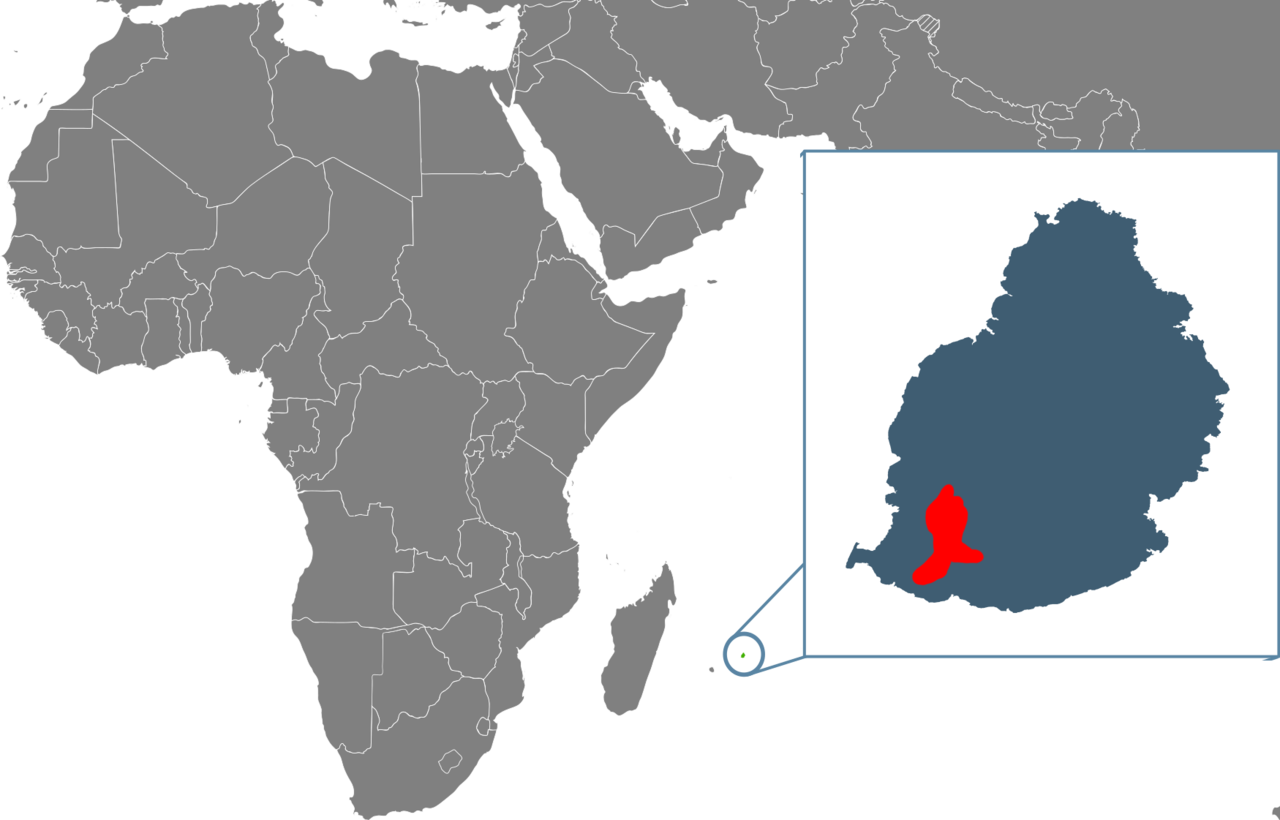


Illustration of a male Réunion parakeet by Jacques Barraband, 1801–1805

Illustration of a male Réunion parakeet (top) by Martinet, 1760

1770s illustration of the extinct Newton's parakeet, which was the closest relative of the echo parakeet

Life restoration of a male Réunion parakeet by Julian P. Hume; note complete pink collar

Female: note light green collar

Male: note black collar, line from cere to eye, and red upper bill
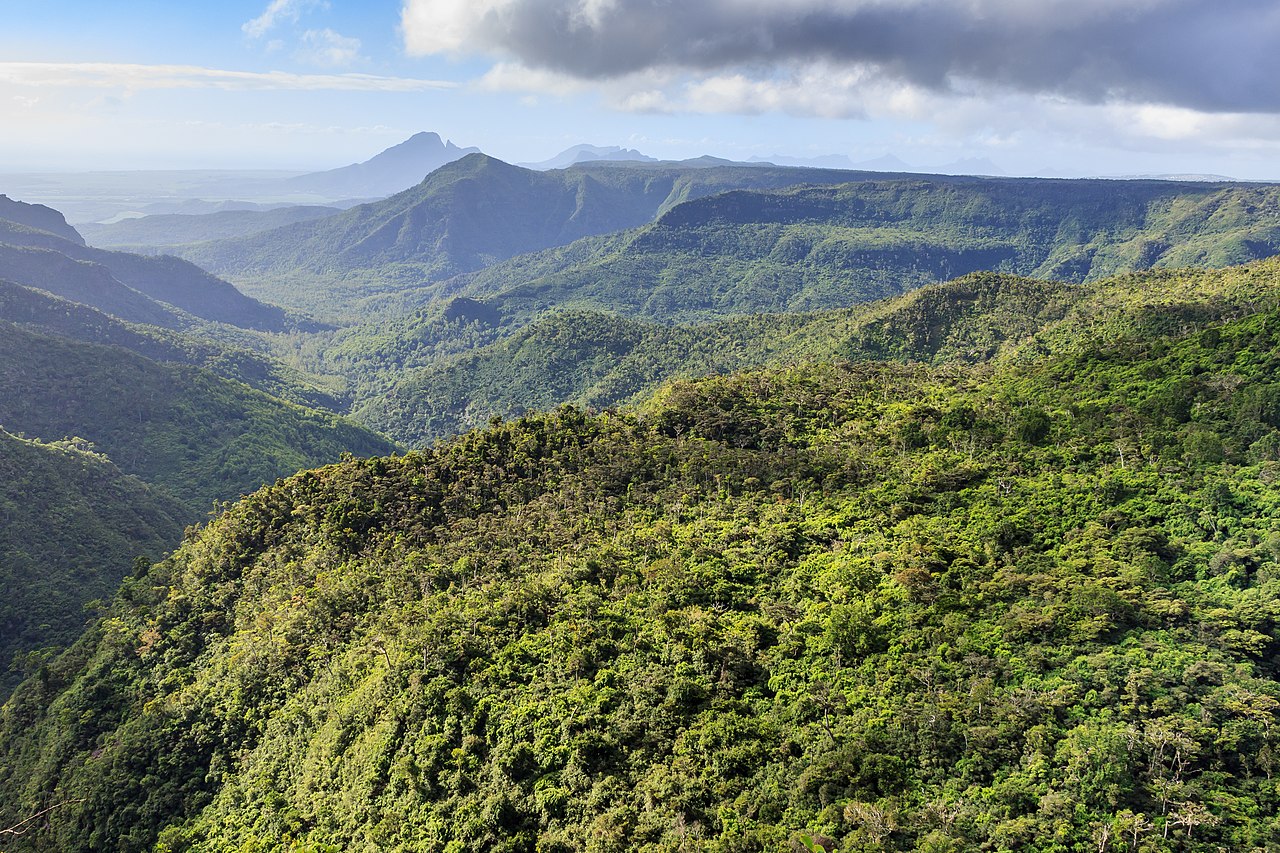
Black River Gorges National Park, where this species is mainly found

Group roosting in a tree

Nest contents, including shells of a hatched egg (left)

Hand-reared chick

Calophyllum tacamahaca is part of the diet of this parakeet

Female and male foraging in a tree

Rose-ringed parakeet on Mauritius: this related species was introduced around 1886, and competes for nest-sites and probably some food.

Depiction of Dutch activities on Mauritius in 1598, with various parrots above, and a dodo at the left

Depiction of the Dutch hunting parrots on Mauritius in 1598

Mauritius kestrel awaiting release in 1989; this species was considered the rarest bird in the world by 1973 but was saved through captive breeding, an approach later successfully applied to the echo parakeet

Echo parakeet in flight at Sir Seewoosagur Ramgoolam Botanical Garden

View of Black River Gorges National Park, with crab-eating macaques on the right; these introduced monkeys compete for food with, and sometimes kill echo parakeets.
Temperament
social and active
Flight Pattern
short rapid wingbeats with swift, direct flight
Social Behavior
Often seen in pairs or small groups; larger flocks may form at feeding sites outside the breeding season. Strong pair bonds and high nest-site fidelity are typical. Nests are in tree cavities where 2–3 eggs are laid; conservation programs provide nest boxes and predator control.
Migratory Pattern
Resident
Song Description
Vocalizations are loud parakeet-like screeches and ringing calls used for contact in flight and at roosts. Softer chattering and whistles occur at close range, especially between mates and at nest sites.
Plumage
Predominantly bright green with darker upperparts and paler underparts; long tapered tail with bluish hues. Males have a narrow black throat band and a faint pinkish collar at the nape; females lack the band and are slightly duller. Bill is stout and red, with a pale tip; under-tail is yellowish-green.
Diet
Feeds mainly on native fruits, seeds, buds, flowers, and young leaves. Also takes fruits of some introduced plants when available, and may occasionally visit orchards. Diet shifts seasonally with fruiting cycles of forest trees.
Preferred Environment
Forages high in the forest canopy and along forest edges, moving between fruiting trees. Will utilize secondary growth and mixed native-exotic woodlands near protected areas.


